

Have you ever torn open a package and felt a twinge of guilt over the plastic confetti inside? Picture instead unwrapping something sturdy and simple that whispers “thank you” for choosing green—welcome to kraft paper, the quiet champion of eco-packaging.
What is Kraft Paper? It breaks down within weeks, much like fallen leaves, and it’s 100% eco-friendly. The material can be recycled into new packaging, making custom paper bags a great choice for environmentally aware consumers.
This detailed piece will show you everything about kraft paper’s production process and practical uses. You’ll find why this renewable resource has gained popularity and how it could be the right packaging solution for your needs.
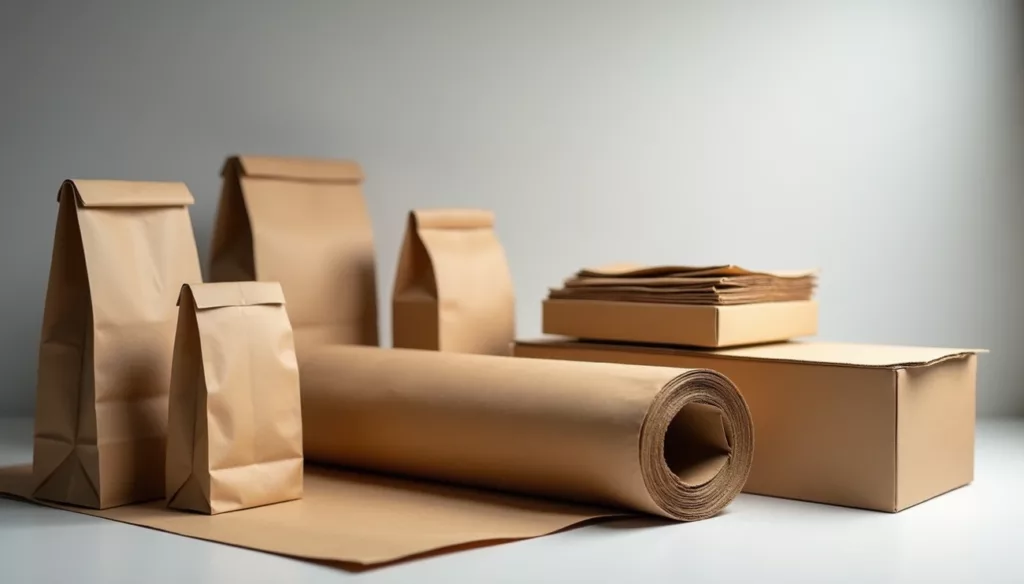
What is Kraft Paper and Why It Matters
Kraft paper is a special type of paper that manufacturers create through a chemical pulping process called the kraft process. Carl Dahl developed this method in 1884. The manufacturing process has earned recognition for creating packaging material that’s both durable and versatile.
Definition and origin of kraft paper
Wood pulp from softwood trees like pine or spruce forms the basis of kraft paper. The production process involves chemical treatment that separates lignin from cellulose fibers.
This extraction keeps the long, strong fibers that give kraft paper its remarkable tear resistance and durability.
German chemist Carl F. Dahl created the kraft process in the 1880s. He used sodium sulfate for pulping, which made paper by a lot stronger. The paper now comes in several grades:
- Grade 1 (Virgin kraft): Made from 100% unbleached sulfate pulp or a mix of wood and bamboo pulp
- Grade 2 (Semi-virgin kraft): Uses bagasse, rice/wheat straw, or jute mixed with sulfate pulp
- Grade 3 (Non-virgin kraft): Comes from 100% waste paper or a mix of waste paper and agricultural waste
How kraft paper is different from regular paper
Strength characteristics set kraft paper apart from regular paper. Kraft paper’s durability and tear resistance are nowhere near what you find in conventional paper. This superior strength comes from the kraft process that keeps more cellulose by removing more lignin from wood pulp.
Kraft paper has a coarser texture and greater porosity than regular paper. These features might not work well for printing, but they make kraft paper perfect for packaging applications.
What is Kraft Paper and How Kraft Paper is Made
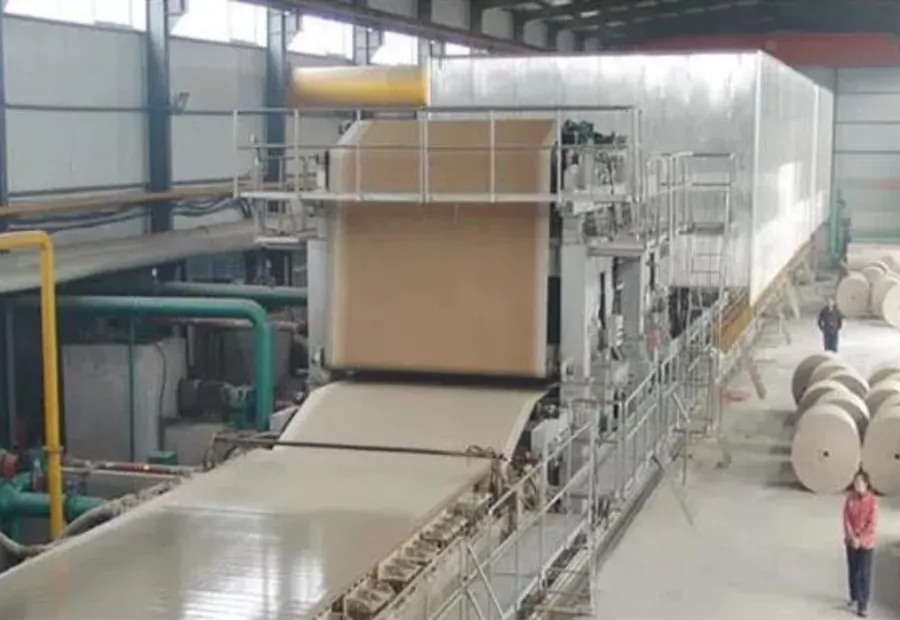
Ever wonder how a towering pine tree ends up as that crinkly brown wrap around your online order? The kraft process is a clever alchemy that turns raw wood into tough, eco-smart paper—let’s walk through it step by step, keeping it real without the jargon overload.
Step 1: Wood Chipping and Pulping
It all starts in the forest with fast-growing softwoods like pine or spruce, chosen for their long fibers that pack a punch. Workers remove the rough bark from the logs. Then, they send the logs into huge machines that chip them into small wood pieces.
These pieces are ready to be turned into pulp.
Step 2: Cooking in Sulfate Liquor
Next, those chips get dunked into a steamy bath of “white liquor”—a mix of water, sodium hydroxide, and sodium sulfide (the sulfate part). Boiling at high pressure for hours removes lignin, the glue that binds wood.
This process leaves strong, stringy cellulose fibers, giving kraft its famous toughness.
Step 3: Washing and Bleaching
The hot pulp slurry goes to giant washers. There, it’s rinsed free of cooking chemicals. Most of these chemicals get recycled back into the system for efficiency. Bleaching? Classic kraft skips bright colors to stay sustainable and maintain that earthy brown.
Some versions lighten up a bit if a paler shade is needed.
Step 4: Forming and Drying
Finally, the cleaned pulp is spread thin on moving screens, shaken to even it out, and pressed between rollers to squeeze out water like a giant sponge.
What’s left dries in massive heated drums or air tunnels, emerging as wide sheets that are wound into rolls—ready to be cut, folded, or shipped off to wrap the world.
Pro Tip: If you are still looking for custom rigid boxes manufacturer or want custom pouches, custom tote bags, tell our experts your ideasnow and let us turn your ideas into reality together.
What is Kraft Paper? Types and Characteristics
Kraft paper comes in several distinct types, and each type has unique properties that suit different applications.
Natural vs. bleached kraft paper
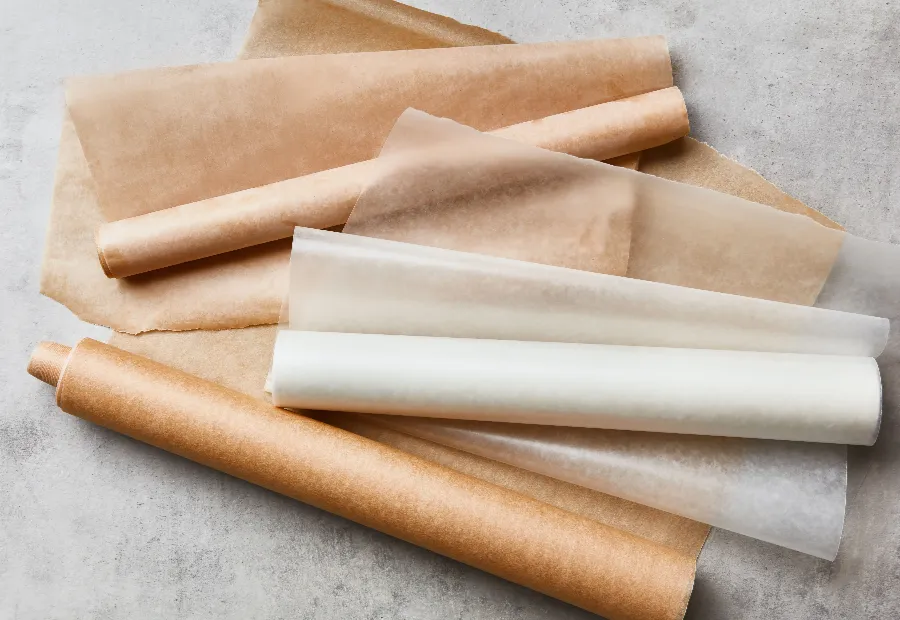
Natural kraft paper keeps its brown color because it never goes through bleaching. This unbleached version is exceptionally durable and better for the environment since it needs fewer chemicals to produce.
Bleached kraft paper goes through a whitening process that gives it a clean, bright look. The treatment makes the paper stronger and easier to print on.
Recycled kraft paper and its properties
Recycled kraft paper comes from post-consumer or post-industrial materials. The paper’s shorter cellulose fibers make it less durable than virgin kraft. However, it uses less energy and water in production and reduces landfill waste.
The paper shows off a rustic look with visible fibers and comes in different shades of brown.
Coated and extensible kraft variants
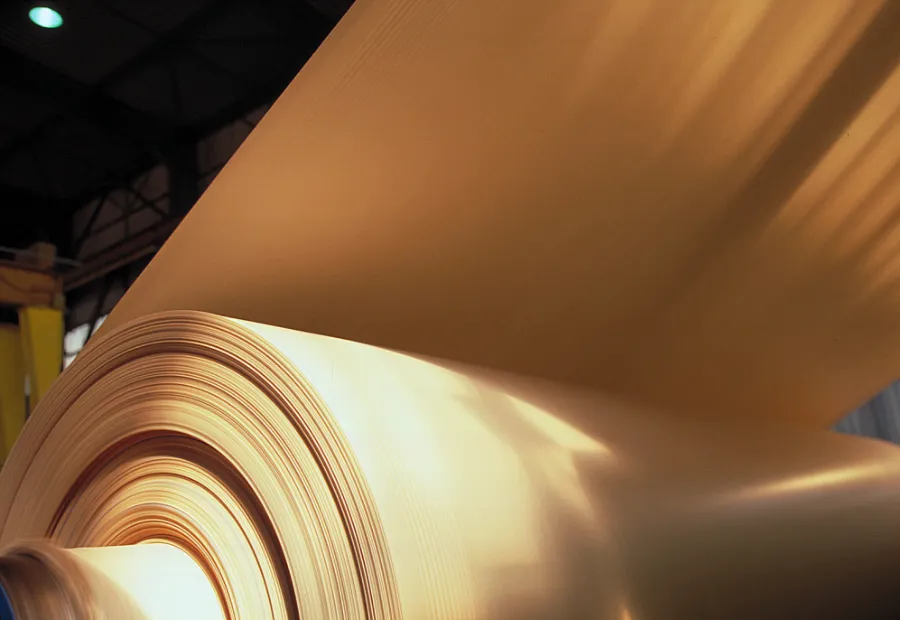
Extensible kraft papers resist bursting and puncturing better in both machine and cross directions. TEA-Kraft® Porous is a top choice for cement packaging. It offers excellent deaeration properties. In contrast, FibreShield® provides maximum durability.
Some papers include heat-sealable coatings that create recyclable options to replace plastic films.
Understanding GSM and thickness
GSM (Grams per Square Meter) shows how much one square meter of paper weighs. Standard kraft paper typically weighs between 40-135 g/m². The weight associates with thickness - a 70 gsm kraft is about 0.18mm thick. You can convert paper weight from pounds to gsm by multiplying it by 1.695.
Recommended Reading: 8 Best Paper Bag Manufacturers In USA
What is Kraft Paper Used For?
Kraft paper stands out as one of the most accessible materials businesses of all sizes use today. This versatile material serves countless practical purposes, from simple household tasks to complex industrial applications.
▶ Packaging and shipping
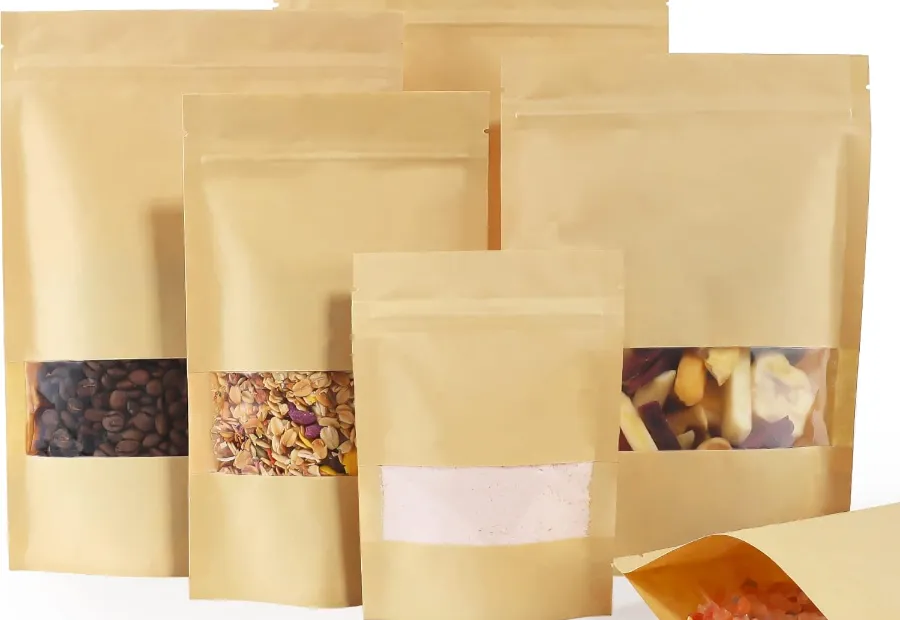
Kraft paper shines as a packaging material. We used it to make corrugated cardboard boxes that protect items during shipping. The material’s strength lets it handle heavy items, which makes it perfect for shipping electronics, clothes, and consumer goods.
The paper also works great as void fill, dunnage, and protective wrapping for delicate items.
Expert Advice: Utilizing Kraft paper for packaging offers superior environmental benefits, as it is derived from renewable resources and fully biodegradable, significantly reducing the ecological footprint compared to plastic alternatives.
Amy L., Package supplier
▶ Food wrapping and grocery bags
Food-grade kraft paper provides a safe way to wrap sandwiches, baked goods, and deli products with a clean, natural look. The paper’s grocery and shopping bags give shoppers a green alternative to plastic. These bags don’t just last longer - they’re recyclable and often compostable.
A single kraft paper grocery bag can hold up to 52 pounds.
▶ Crafts, gift wrap, and stationery
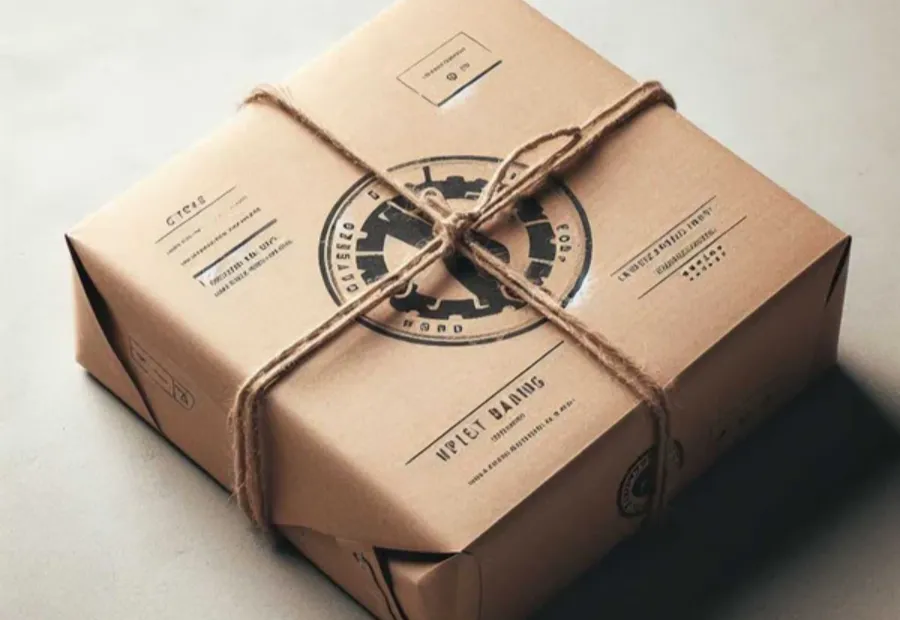
Kraft paper’s natural brown color creates a perfect “blank canvas” for unique gift wrapping. You can get a 100-foot roll for less than $15, which makes it a budget-friendly creative choice. Creative people use this paper for greeting cards, scrapbooks, origami, and journals.
The paper’s unique texture adds a rustic touch to creative projects.
▶ Branding and custom printing options
Custom-printed kraft paper helps brands build stronger connections with their customers. Businesses can add their logos, designs, and contact details to kraft paper for wrapping, packaging, or store displays. This custom branding raises presentation quality and supports green practices.
Conclusion
Kraft paper lives up to its name as a “strong” packaging solution. This remarkable material brings together exceptional durability and environmental responsibility. The natural brown material works great in many applications.
You can use it for sturdy shipping boxes, attractive gift wrapping and food-safe packaging.
Kraft paper ended up striking the perfect balance between function and environmental care. The material performs well for both practical packaging and creative personal projects without hurting sustainability.
We welcome you to contact us or info@leelinepackage.com for custom boxes or more details.
Related Resources:
- 10 Types Of Foam For Packaging: A Complete Guide
- What is Wax Paper? The Essential Guide
- Top 10 Paper Bag Manufacturers In UAE
FAQs
Q1. How does kraft paper differ from regular paper?
Kraft paper is much stronger and more durable than regular paper. This comes from its special manufacturing process. It contains less lignin and undergoes less bleaching, which preserves its strength.
Q2. What are the main uses of kraft paper?
Kraft paper is used in many ways. It works well for packaging and shipping materials. You can also use it for food wrapping, grocery bags, gift wrapping, and craft projects.
Q3. Is kraft paper environmentally friendly?
Yes, kraft paper is highly eco-friendly. It’s 100% biodegradable, decomposing within weeks like fallen leaves. It’s also recyclable, with recycling rates typically exceeding 89%.