 01
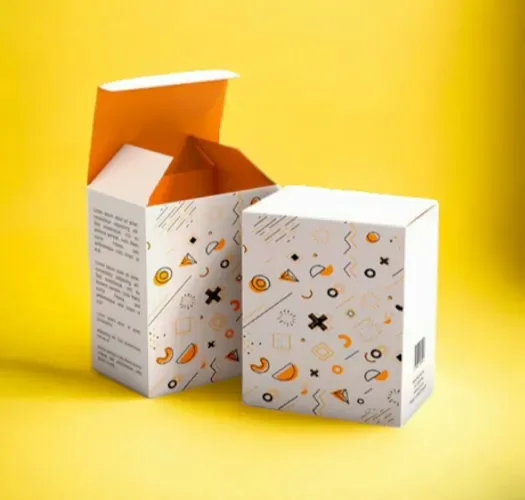
Straight Tuck End Cartons
The default for a printed range — the cheapest carton to make, with an uninterrupted panel for the artwork.
Best forRetail shelf, supplements, cosmetics

A carton that feeds, folds and closes on a high-speed packing line without a jam — die-cutting and creasing held to the tolerance the machine runs at, letting a run hold its line speed.

Every construction below is cut and creased on site, where changing the shape of a carton means a new die rather than a new supplier.
01The default for a printed range — the cheapest carton to make, with an uninterrupted panel for the artwork.
Best forRetail shelf, supplements, cosmetics
 02
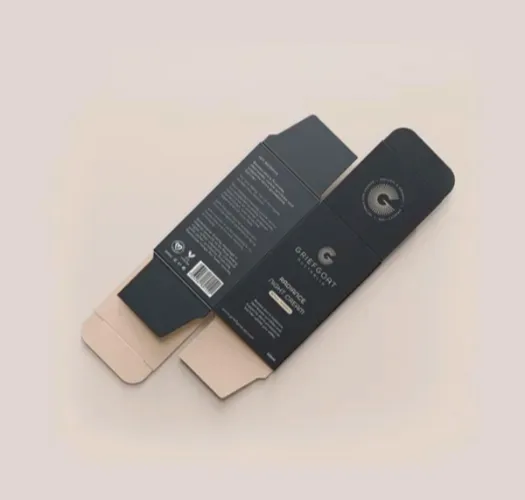
For light contents on a rough route, where a closure that eases open would spill the load.
Best forSnacks, small hardware, lightweight cartons
 03
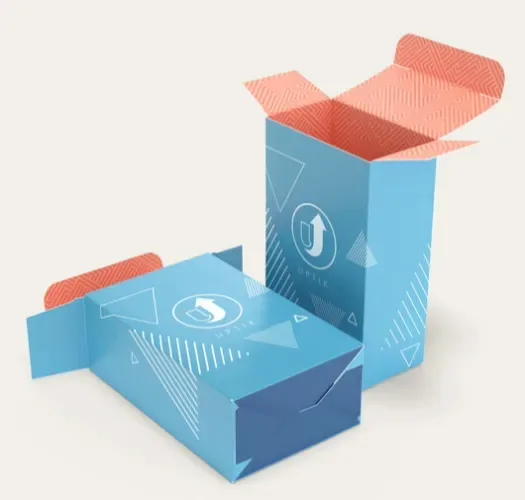
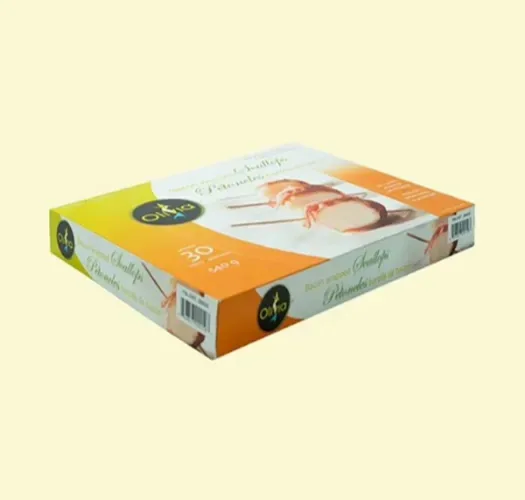
The volume choice — the carton a long run is built around.
Best forFrozen food, chilled ranges, ready meals
 04
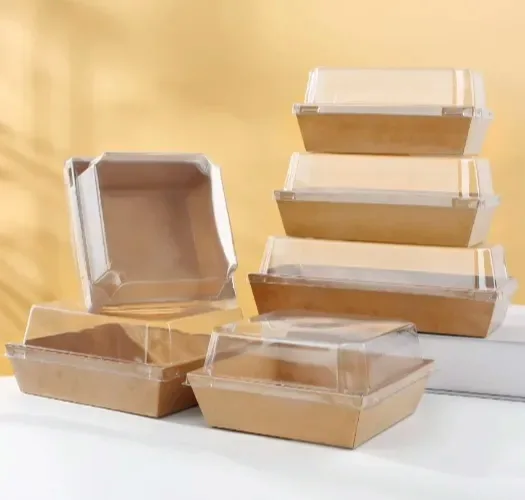
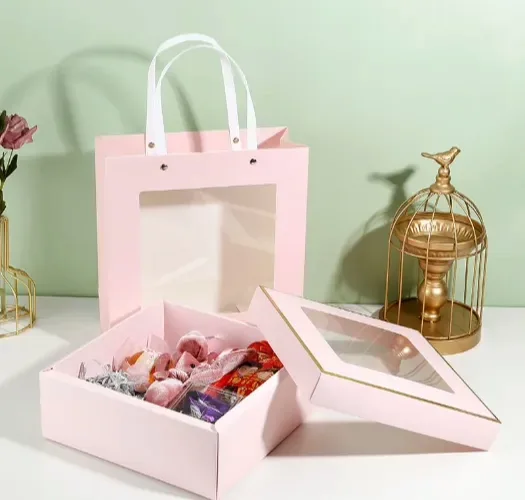
A separate lid over a shallow tray gives a two-piece reveal that reads as a presentation piece.
Best forConfectionery, deluxe kits, hampers
 05
A die-cut aperture behind film shows the product itself — the strongest claim a shelf can make.
Best forFood, cosmetics, retail multipacks
 06
Artwork changes without a new structure, so a reprint is a cheaper decision than a retool.
Best forLimited editions, gift ranges
 07
A pour spout or tear-away panel turns the carton into the dispenser.
Best forConfectionery, sachets, counter units
 08
Bespoke die-cut silhouettes, from a bottle to a mascot, on the standard board and press.
Best forLaunch kits, gifting, seasonal
 09
The carton a pharmacy counter or a returns desk accepts, because it cannot be reopened unnoticed.
Best forMedicine, electronics, tamper-evident retail
The construction decides how the carton closes, how fast a line runs it, and whether a tamper seal is possible at all.
| Attribute | Straight Tuck End | Reverse Tuck End | Auto Bottom | Seal End | Sleeve |
|---|---|---|---|---|---|
| Closure | Tuck flap, ends aligned | Tuck flap, ends opposed | Snap-lock base | Glued end flaps | Slip-on printed sleeve |
| On the line | Machine-tucked | Machine-tucked | Erects and locks in-line | Glue line runs in-line | Hand-applied |
| Board weight | 12–24pt | 12–20pt | 14–24pt | 12–24pt | 14–24pt |
| Tamper-evident | No | No | No | Yes | No |
| Best run size | Short and long | Medium and long | High volume | Long runs | Short and seasonal |
Board weight, closure and insert settle against the product and the route it takes, not against a catalogue.
Folding cartons are cut from a single printed sheet, with no greyboard shell to wrap and no assembled box paying for air on the way over.
Four choices set the cost, the shelf presence and whether the carton survives the route it has to travel.
The sheet the whole structure is judged on.
Drawn to the product, not to a stock size.
Colour matched to a reference, not to a screen.
The details that decide whether the carton works on the line.
A printed paperboard carton goes into the paper stream with the Sunday paper. Nothing about that has to be taken on trust, because every claim below is covered by a certificate that ships with the order.
Pulp traced from a certified forest through to the delivered pallet.
A second scheme covering the mills that sit outside the certified estate.
An environmental system audited on the plant, not claimed in a brochure.
No solvent-borne VOCs vented from the press hall.
Measured across the plant after the last equipment upgrade.
A carton is judged in the hand, not on a proof, so the structure is signed off folded and filled before tooling is committed. Nothing is trucked between vendors, and no batch waits on another shop’s queue.
The cut file is drawn or checked against the product dimensions before a die is made.
A mockup of the finished carton goes out within 24 hours, drawn to the dieline.
A white dummy lands in 5 days, for checking the fit in the hand before anything is printed.
A printed production sample follows in 7–10 days, on the board and finish of the run.
Chosen on run length and the detail the artwork has to hold.
Steel-rule dies cut and score on the same pass, then cartons are folded, glued, counted and bundled flat.
Six constructions off the same die room, with the board, closure and finish each job called for.

The pattern runs inside the lid, reading as a surprise rather than a label. Reverse tuck end, 16pt coated board, matte lamination outside with a gloss varnish inside.
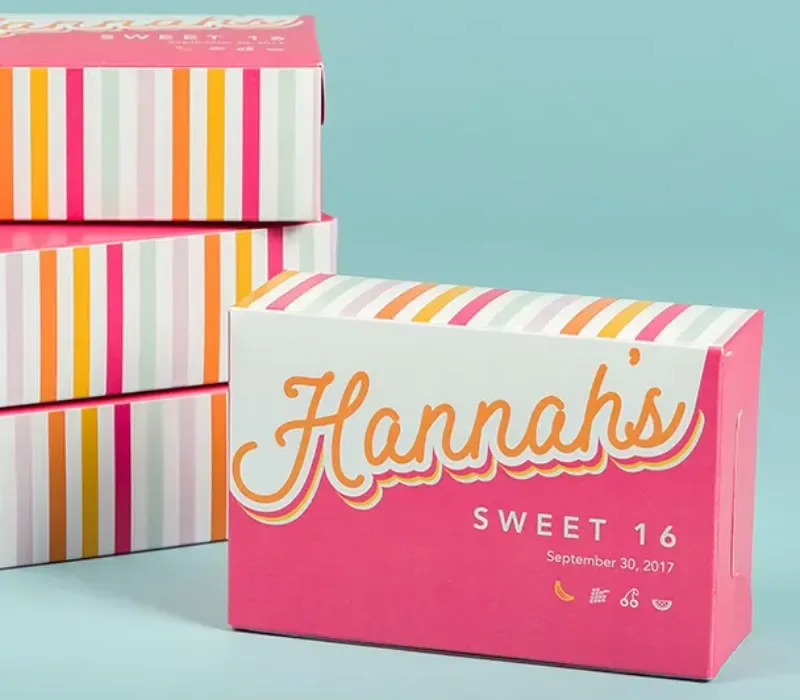
One carton per guest for a sixteenth birthday. Straight tuck end, 14pt board, hot pink foil on the script over a soft-touch matte panel.
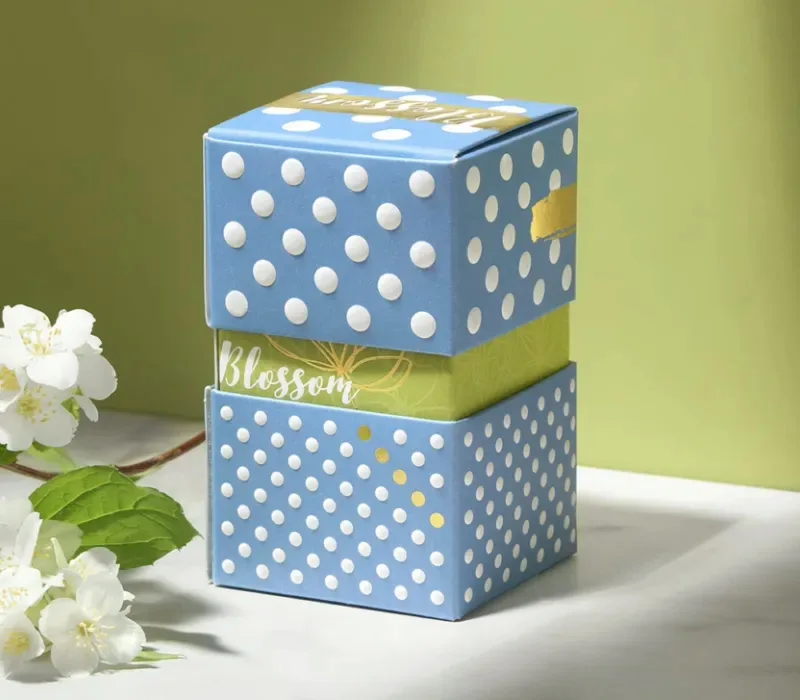
Two sleeve cartons stacked on a shelf, artwork on the sleeve and a plain tray underneath. A seasonal reprint costs a fresh plate rather than a fresh die.

An 18pt shell with a die-cut cradle holding the pump at shelf height, and a window that shows the head without opening the carton.
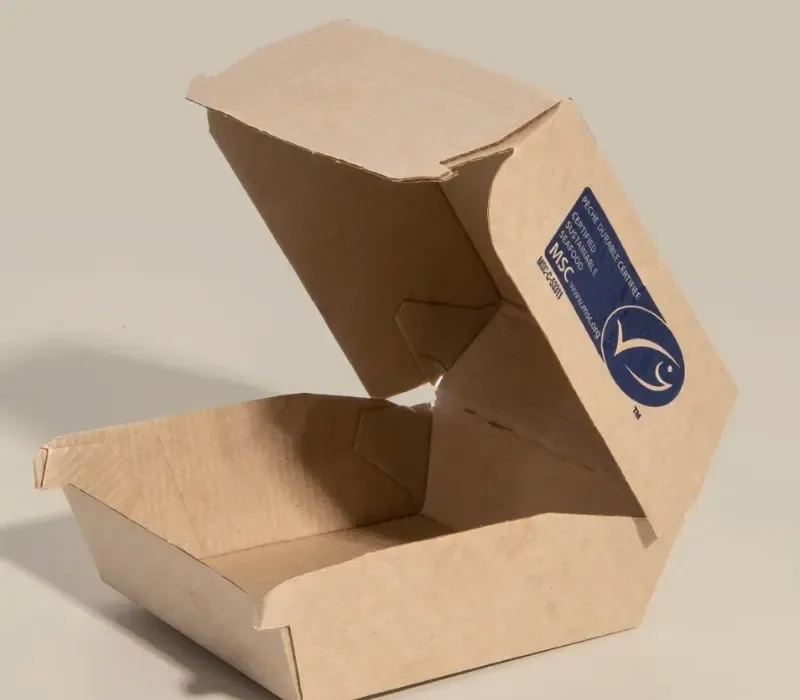
Grease-resistant lining on kraft, over a lock base that holds its shape on a hot counter and a printed band that survives the pass.
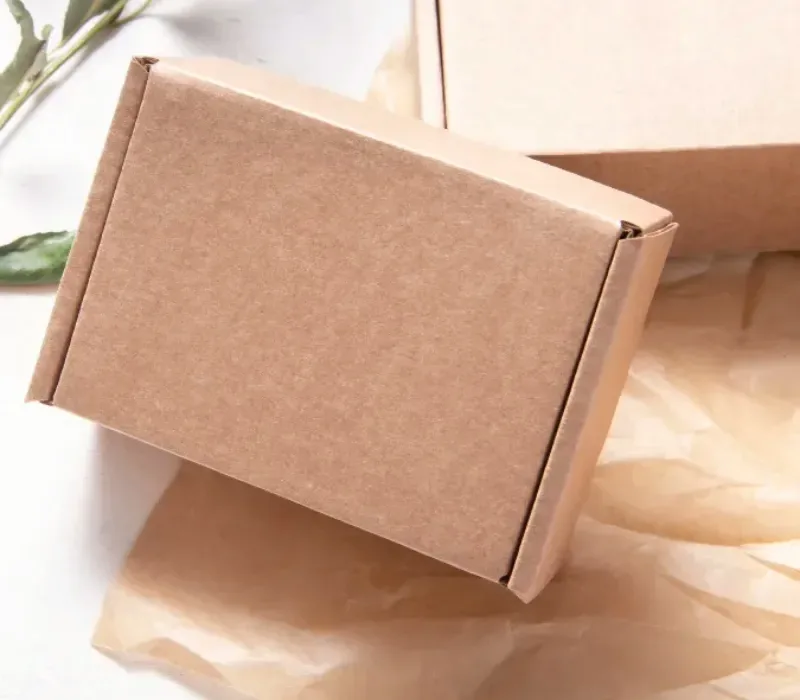
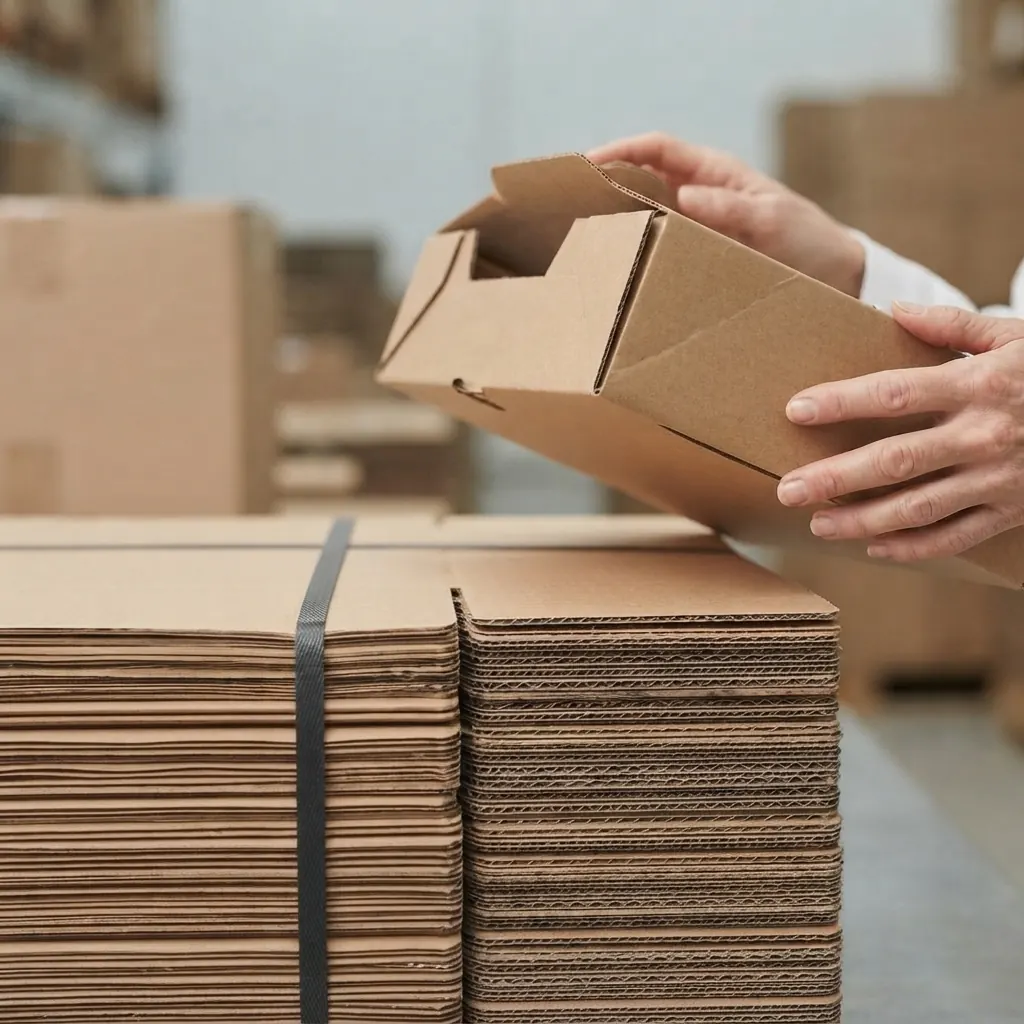
The construction before it becomes a box. Blanks are strapped and counted flat; a container carries far more than assembled cartons would.
Six placements from the last year, once the cartons have left the line.

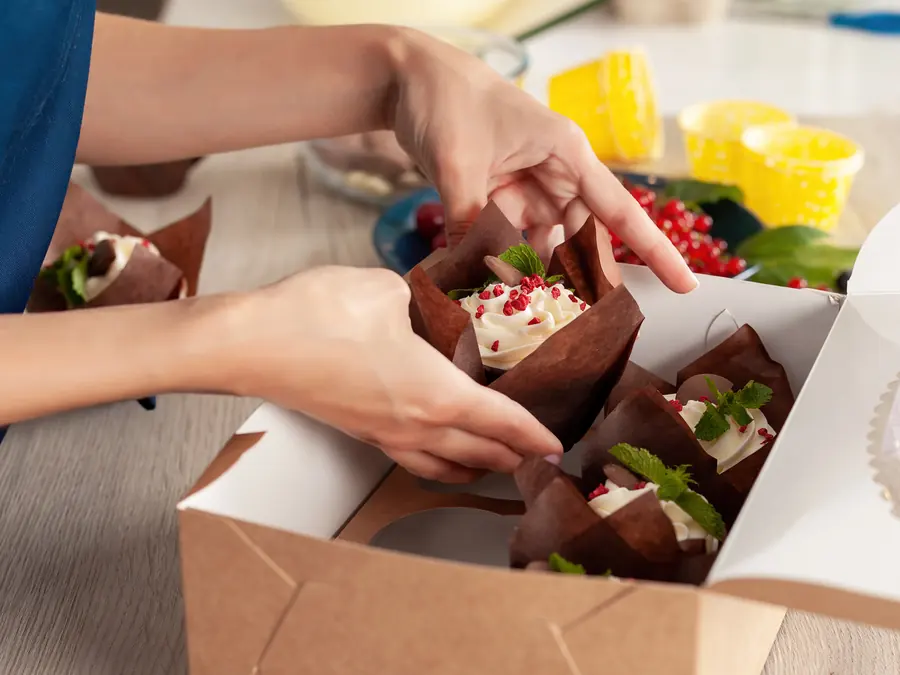

Granola bars need a carton that takes a pallet and still looks worth picking up. The reverse tuck end sample came back with the board weight where it needed to be and the food-safe lining confirmed in writing.
Spot UV sits on the logo exactly where the artwork placed it, and the carton reads from three metres down an aisle. Nothing scuffed through the coating on the first pallet.
The 3D mockup landed before the tooling did, which meant the artwork could be re-cut without paying for a die twice.

A cupcake box has a task beyond carrying cake: the frosting has to be visible. The window carton framed it cleanly, with a film that has not clouded or creased after a year on the counter.
Side supports hold a stack of six without the bottom tier collapsing. That was the version that failed with the previous supplier.
The artwork went through five rounds before anyone was satisfied, and a single coordinator answered each one. The bakery looks like a brand now rather than a market stall.

500 units per structure and per artwork. Below that, the die and the plate set-up stop making economic sense, and a short run is better served by a stock carton with a printed label.
That is what the dieline is for. Send the line speed, the feed width and the magazine capacity, and creasing and board weight are set so the carton feeds and closes without an adjustment.
Yes. Inside print, a coloured liner and a printed insert are all available. An interior panel is the part a customer sees at the exact moment the carton opens.
The signed sample is the reference for the whole run. Where the variance sits with us, the batch is remade or the order credited.
Each size needs its own die and each artwork its own plate set, so a mixed order is quoted as the sum of its parts. Keeping to a single size and a single artwork puts the unit price at its lowest.
Send the product dimensions and the artwork. Board, printing, the die and freight come back itemised separately at each quantity break, letting the number be checked rather than taken on trust.