
Packaging Sample & Prototyping: De-Risk Your Mass Production Before Scaling
The sample is the cheapest place to find a costly mistake. Approve the board, finish and fit on one prototype, so unit cost, reprint risk and damage returns are settled before the first bulk run — MOQ 500, on your lead time.
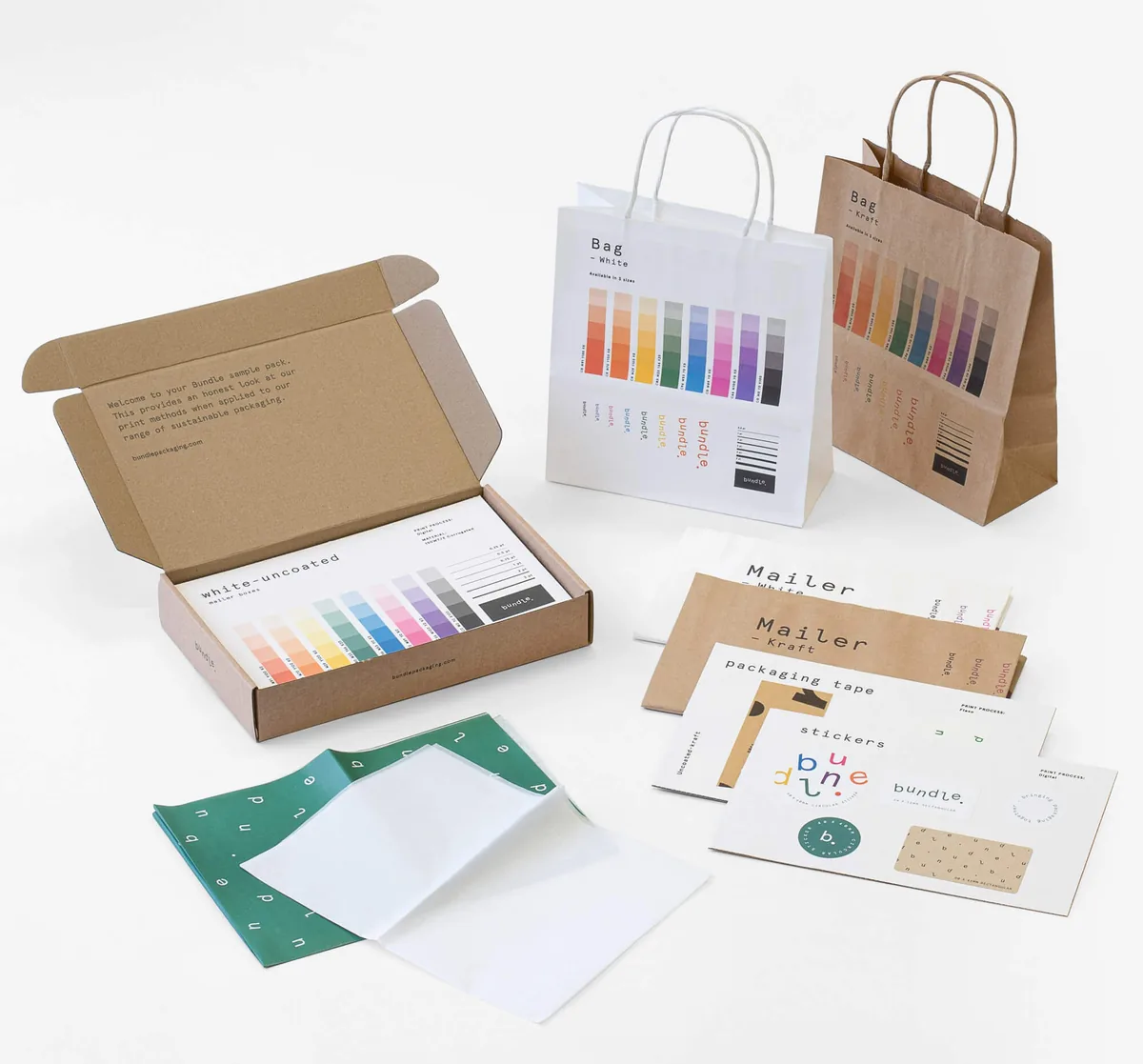
Four Samples, Four Different Jobs
Every sample is built to the same structure, so the step between the four is the material and the finish — not a different box. Each one answers a different question, and each has a limit worth knowing before you pay for the next.
| Sample | Lead time | What it proves | What it does not prove | Stop here if |
|---|---|---|---|---|
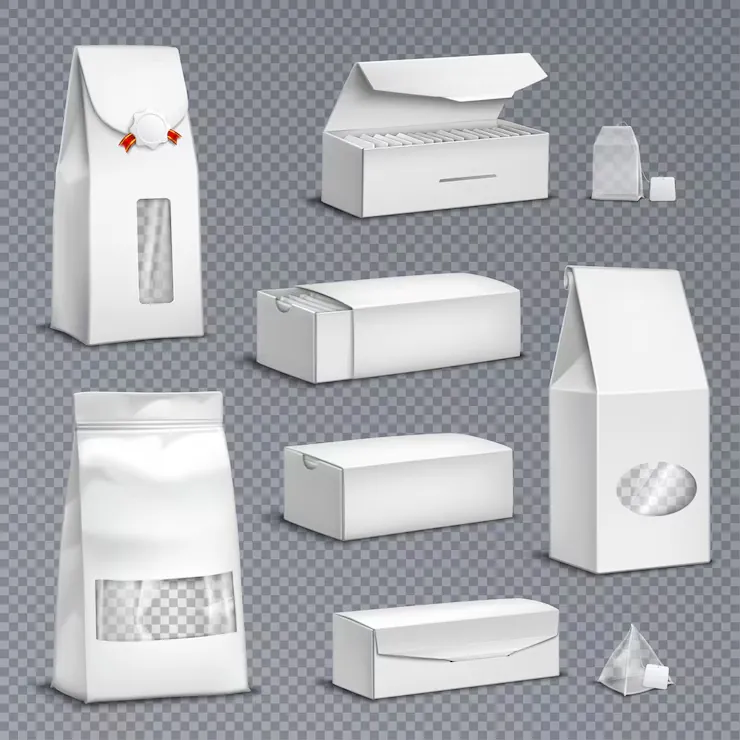 | 24 hours, free | Structure, openings and proportion read correctly, and a dieline error is caught before tooling is cut. | Hand-feel, colour shift, or anything about crush strength. | You do not have a dieline yet. |
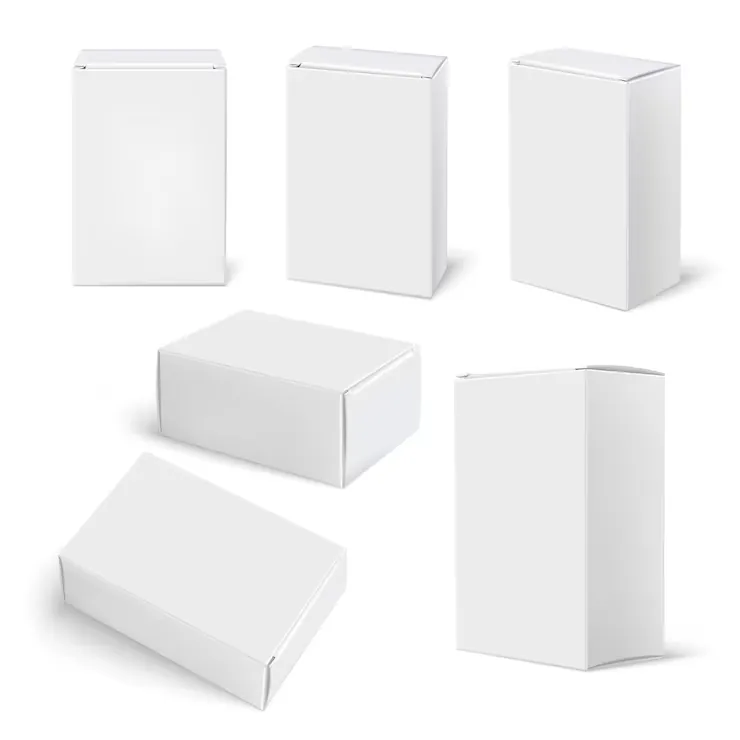 | 3–5 days | The product fits without floating or jamming, the insert holds it, and assembly repeats on a line. | Print, foil, or batch-to-batch colour. | The product dimensions are still moving. |
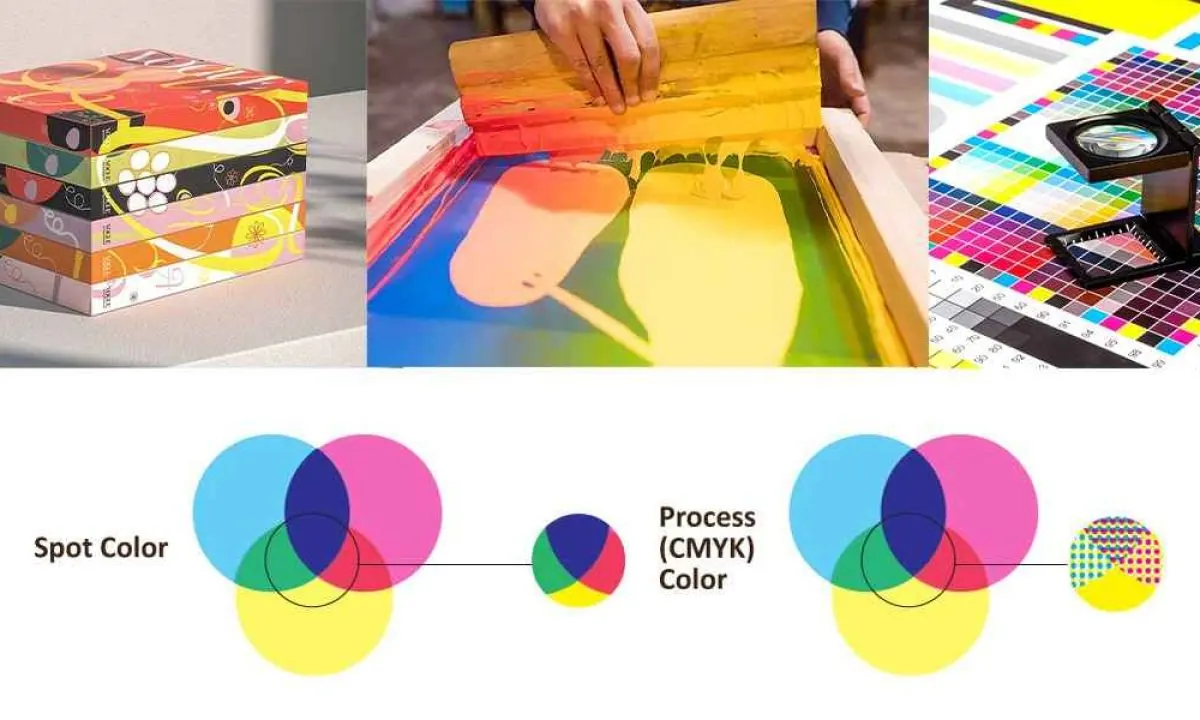 | 7–10 days | Where the artwork lands on the real board, and whether the colour reads dull or true. | Spot-colour stability across a run, or how a finish feels in the hand. | The file is locked but the finish is not decided. |
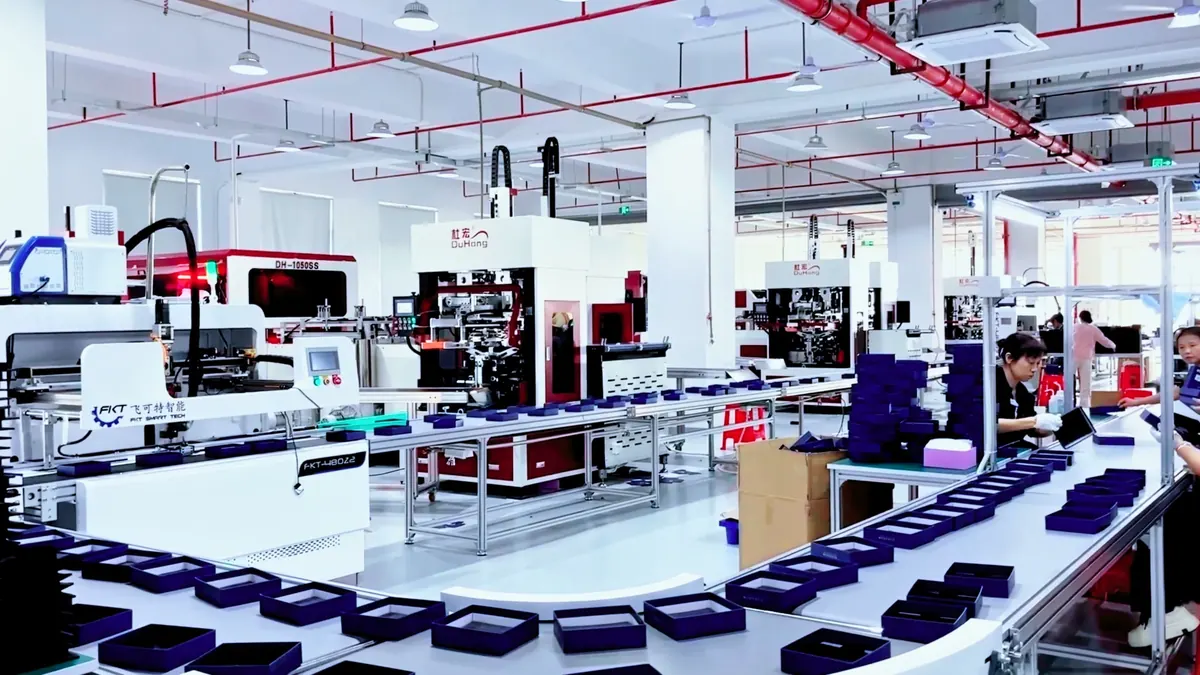 | per quote | Board, print and finish exactly as the line will run, and that the pack survives the courier route. | A full-container transit time — one tested sample is not a sea trial. | You are ready to release a 500+ run. |
No row is finished until it is signed off against the approval sheet below. Anything that drifts from that sheet is reworked or credited.
Sign It Off Like a Real Factory
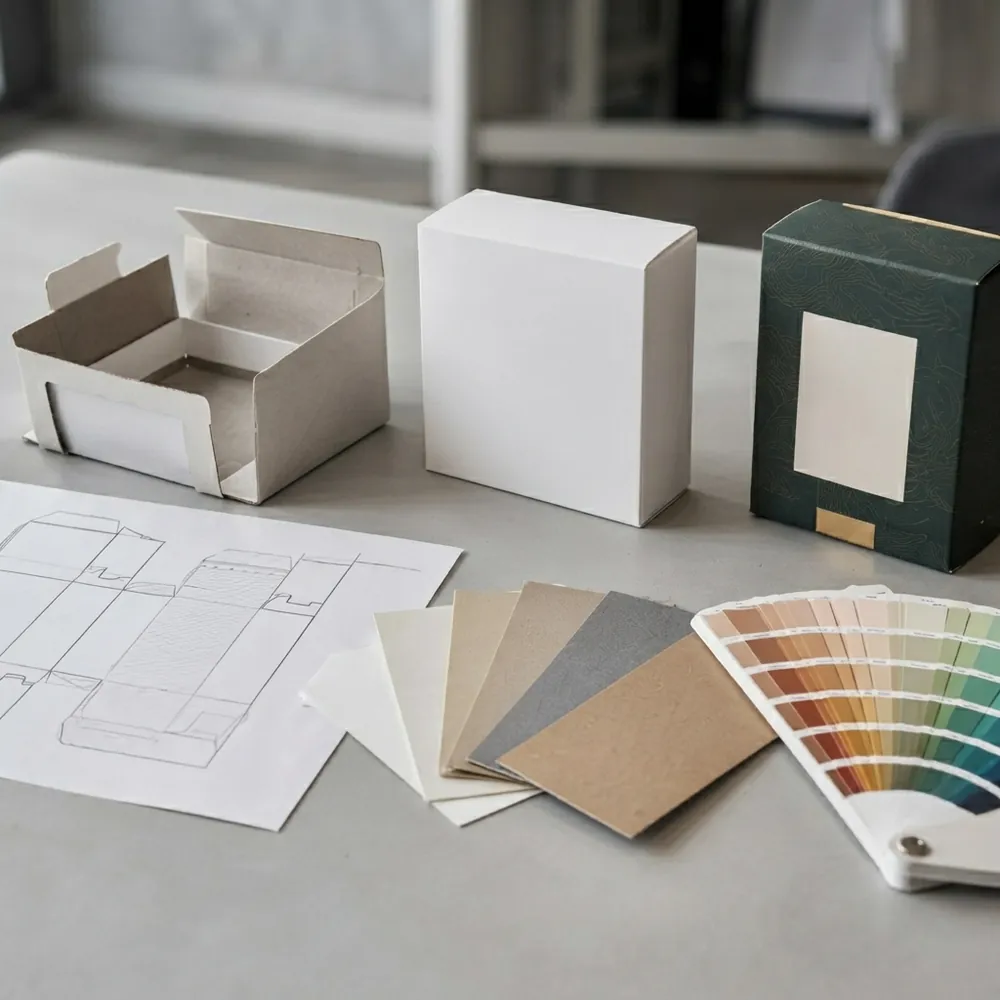
The approved sample is the reference the whole run is built to. Notes and a signature replace a “yes, looks good” — so the line, the printer and QC all work from the same sheet.
- Colour referencePantone / CMYK proof stapled to the sheet
- Board & fluteThe exact grade the line will run
- Dimensions & dielineLocked to the signed template
- Finish mapFoil, varnish, emboss — spot for spot
Should the sample drift from the spec — colour variance or a material mismatch — we rework the sample or credit the order, so the pack you approve is the one that ships.
Test the Material, Not the Mockup
A sample is built to the material the order ships — corrugated, greyboard, kraft or coated carton, plus eco and food-contact grades and finishes like foil and emboss. That makes it a true proxy for the run, not a stand-in.
- 01
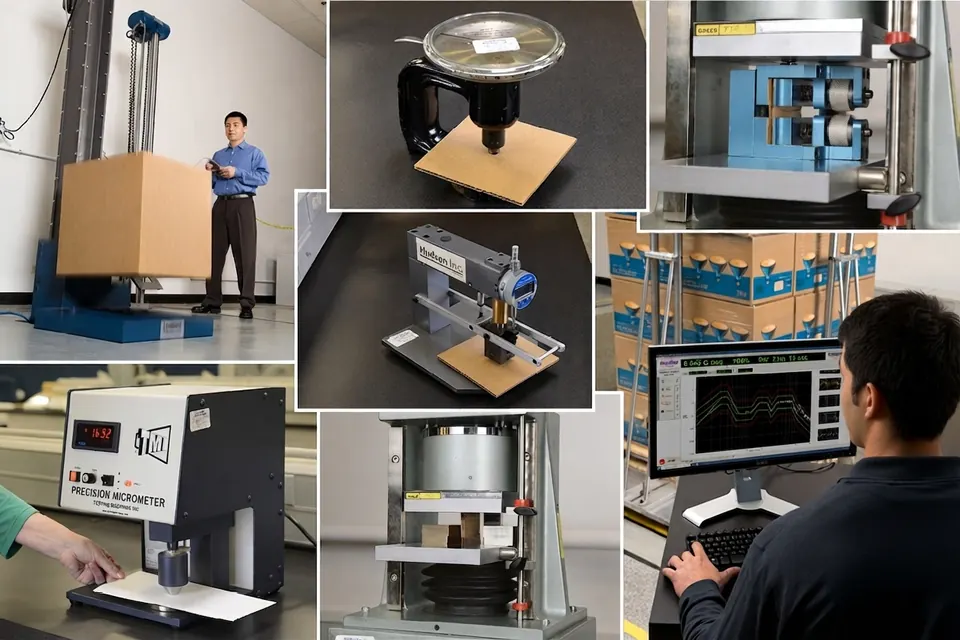
Weight-bearing
Rated to the stack height the box will meet in a warehouse or store.
- 02
Drop & impact
Dropped flat, on edge and corner — the product stays clear of the board.
- 03
Thickness & rigidity
Caliper and stiffness measured against the specified board, not assumed.
- 04
Print & colour fastness
Ink adhesion and colour held after rub and light, before the first use.
- 05
Environmental simulation
Humidity and temperature cycling — the conditions the route adds.
A Short Path to Something You Can Hold
A transparent route with a review at each step — so a sample is a decision, not a gamble.
Send the brief
Artwork in AI, PDF or EPS, or the product size, weight and target price.
Check & quote
A feasibility, material and print check, then a price and a suggested build.
Cut a sample
A white dummy for fit first, then a printed prototype for colour and finish.
Revise & approve
Feedback on fit, colour or finish, then a sign-off against the approved sample and notes.
Run the line
Tooling is cut and production builds to the signed sample — colour, board and size locked.
The Sample Sits Between Two Services
The structure is decided behind it, the artwork sits on it. The sample is the proof between the two.
Before You Order a Sample
The questions that come up before a proof. Structure and artwork detail live on their own pages.
QWhy order a packaging sample?
A sample tests what a render can’t — transit durability, true colour, and how easily a team assembles the box. A mistake found here costs a sample; the same mistake in production costs a run.
QHow does the sample process start?
The design file or a brief is checked first — print and material feasibility, a suggested build, then the first sample is cut.
QIs the sample the same as the production order?
The approved sample is built to the board, print and finish the line will run, and it becomes the reference the whole run is checked against. The production-line sample is the version that has been through a simulated transit test, so it proves the box on the route before the first bulk run.
QAre samples revised if they are not right?
Yes. A sample is revised against feedback on fit, colour or finish until it reads the way you want, then it is signed off for the run.
QWhat if the sample doesn’t match the spec?
Where variance is on the supplier side — colour drift or material not matching the order — the sample is reworked or the order credited, so the approved spec is the one the run is built to.
Get a Sample in Your Hands, Before You Commit
Send the artwork or a brief, and a quote and a material recommendation come back before the first sample is cut. A single physical box is enough to get your team and your customer on the same page.