 01
Euro Tote Bags
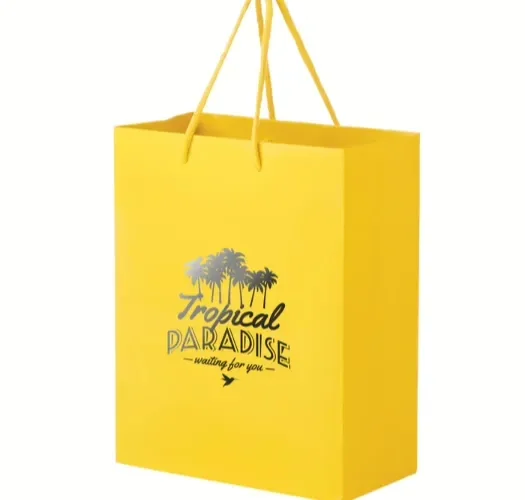
Rigid board and rope handles, for a boutique where the bag is carried open.

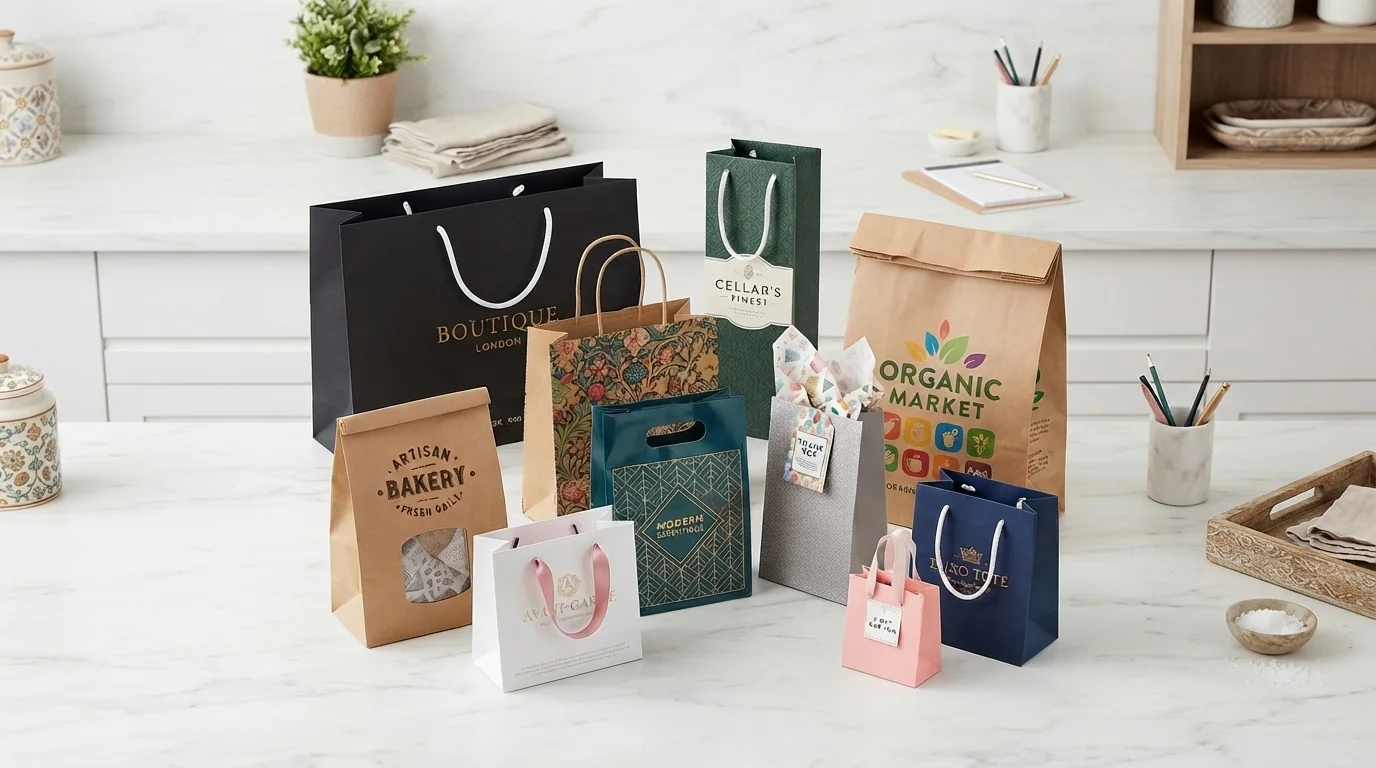
Commercial-grade custom paper bags with reinforced handle joins and AQL 1.0 inspection to reduce handle pull-out and bottom failure. A signed print reference keeps the tenth run sitting beside the first.




Each style answers a different counter question — what your item weighs, how far it is carried, and what the bag says before a word is read.
01Rigid board and rope handles, for a boutique where the bag is carried open.
 02
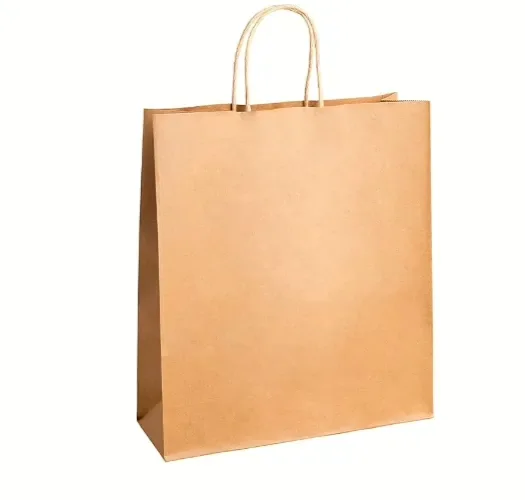
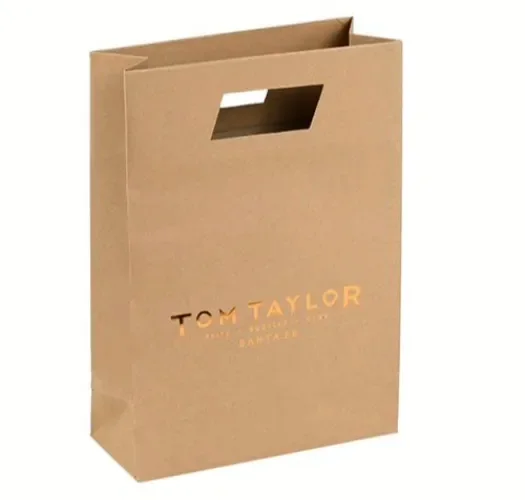
Unbleached brown stock under a single spot colour.
 03
The handle is cut in the same pass as the bag itself.
 04
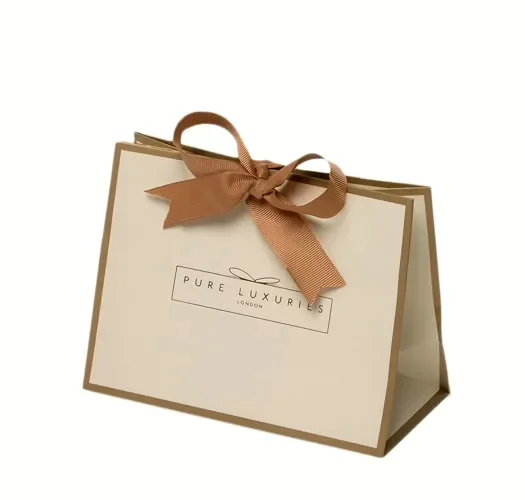
A structured body with a ribbon, for the counter where a purchase becomes a present.
 05
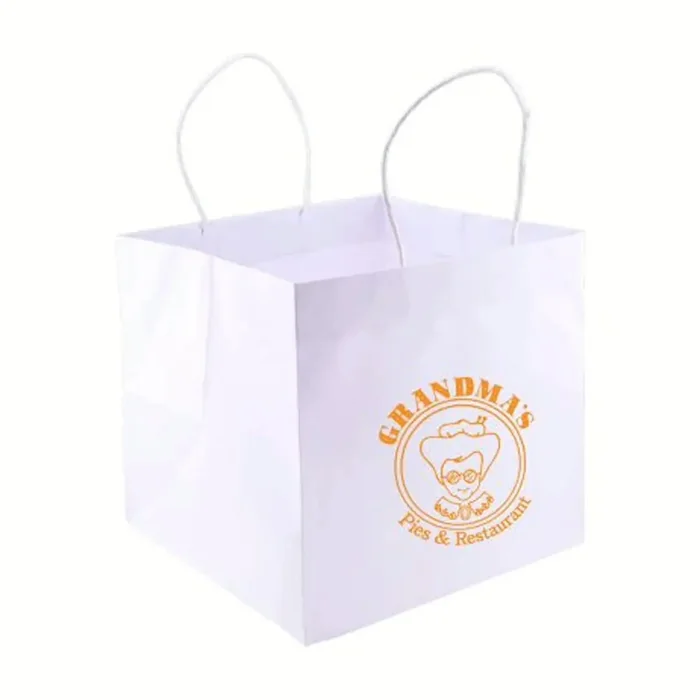
A deep gusset for boxed goods and folded garments.
 06
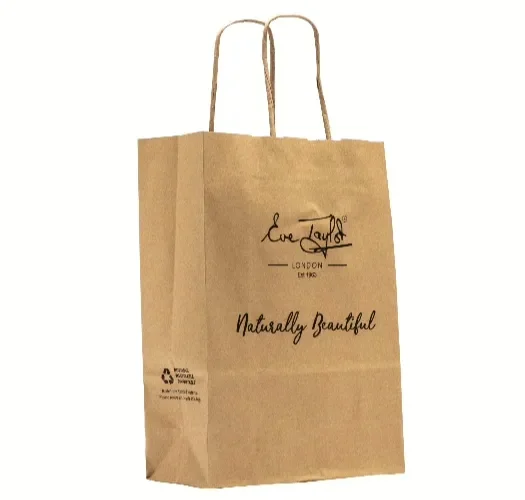
The glued block bottom that stacks flat and opens at the till.
 07
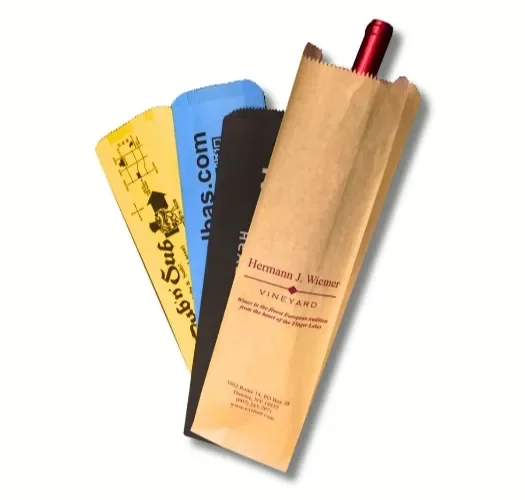
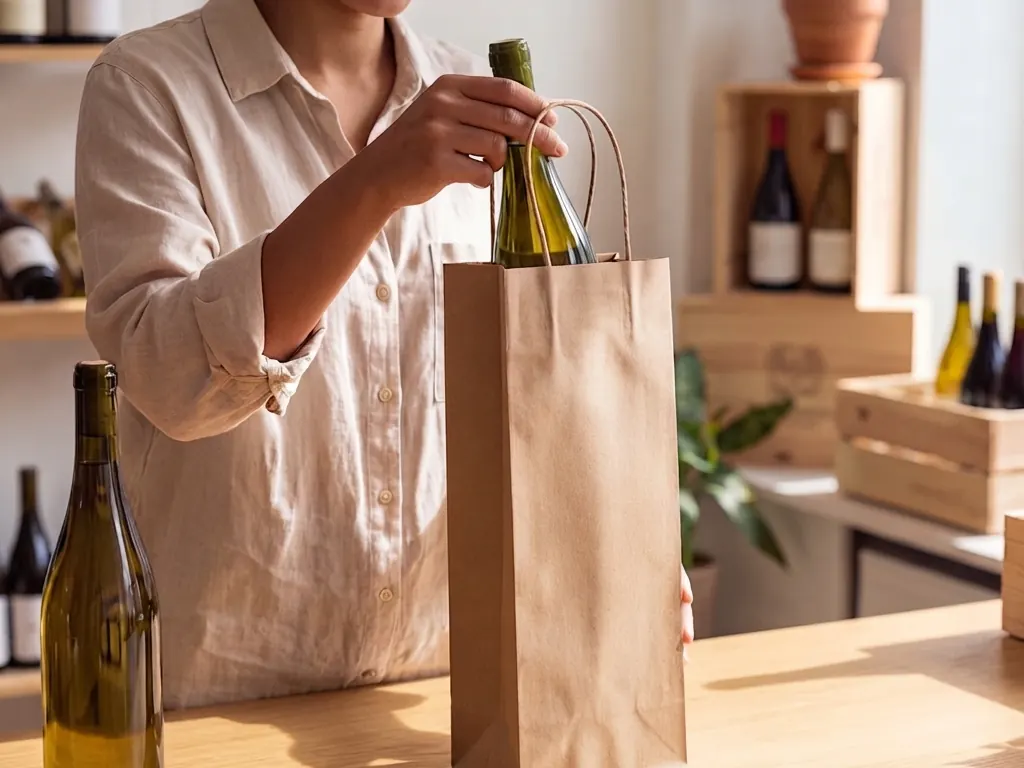
A reinforced base sized to the bottle.
 08
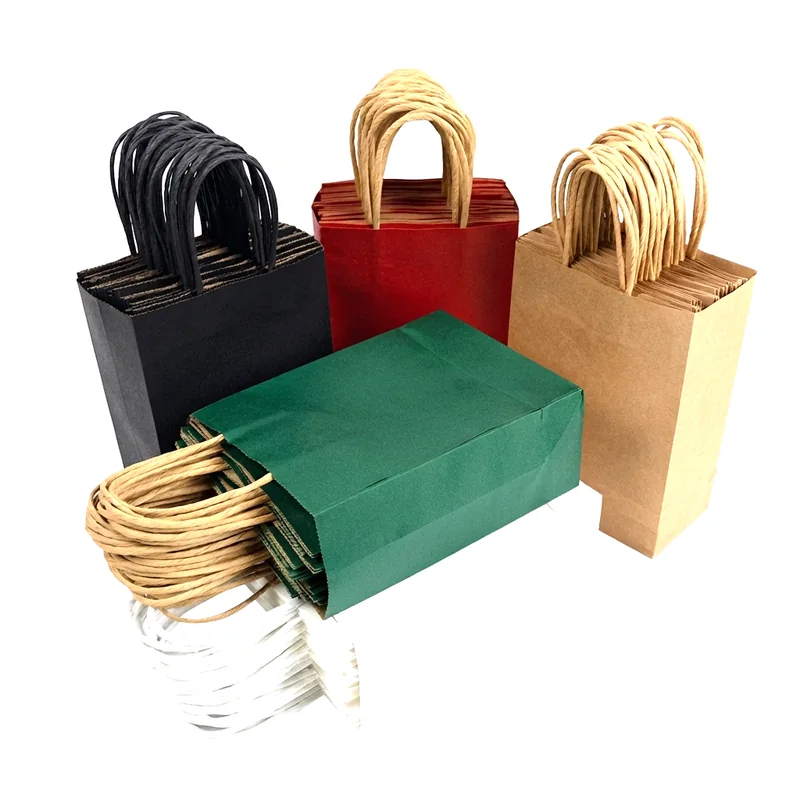
Post-consumer stock in a single colour, priced for volume.
 09
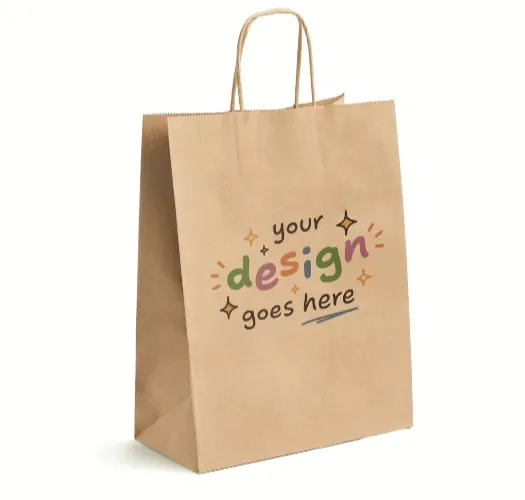
Full-surface print up to eight colours with a spot varnish.
A bag passes through four pairs of hands before it reaches a customer. Keeping all four on the same floor removes the hand-offs where a brief starts to drift.
The dieline is drawn as part of the order rather than billed as a separate service, which turns a structural change into a conversation instead of an invoice.
A named coordinator answers from brief to delivery. Nothing is passed to a second vendor, which means nothing is explained twice.
Colour is checked against the approved reference, and each batch is signed off against that sample before it is strapped.
Bags ship flat and counted, and the packing pattern is drawn around the container — which is where a large share of the landed cost is set.
Dimensions in, a bag spec out — board, handle and print costed together rather than guessed apart. Once the item is measured, the rest of the spec follows from it.
The attachment is picked for the weight it will take rather than the way it photographs. Six options, each paired with the carrier it suits.
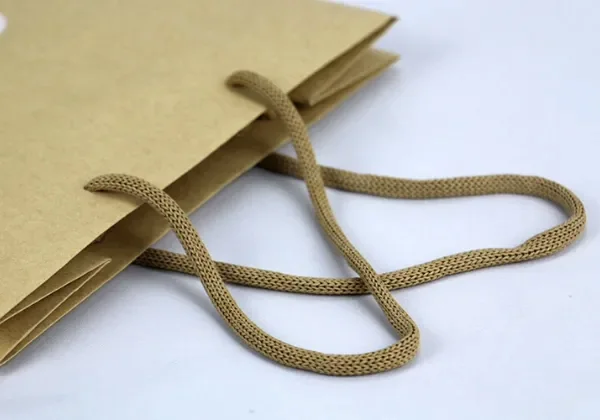
Knotted rope with a hand-made texture, tied through a punched hole — for a carrier meant to look made rather than milled.
Best forBoutiques, high-end retail
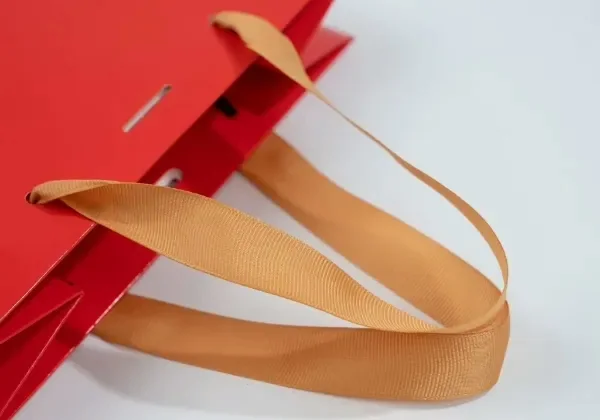
Ribbed ribbon with a firm grip that stays on a wrist through a crowded street.
Best forGift bags, formal packaging
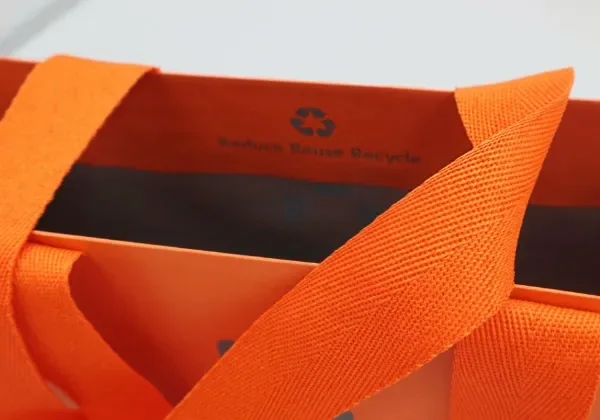
Woven tape that spreads the weight across the palm — the choice when a customer carries the bag for more than a block.
Best forHeavier items, sustainable brands
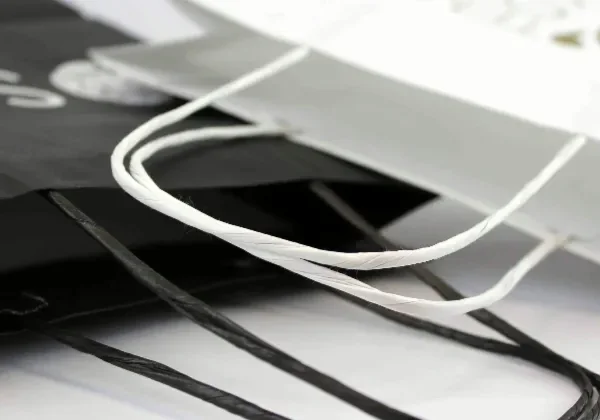
Rolled paper cord colour-matched to the bag, so the handle disappears into the print and the whole unit recycles together.
Best forKraft ranges, value retail
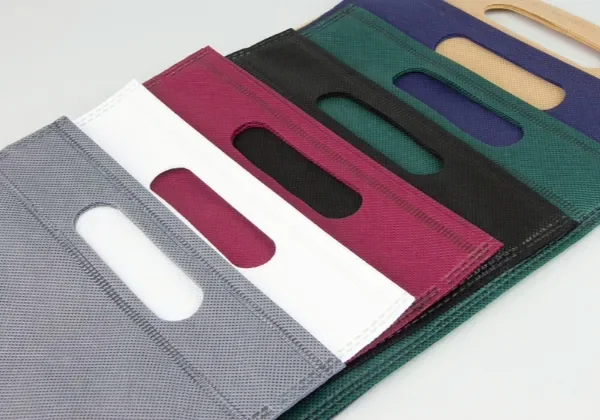
Cut from the bag’s own board, which removes a component, an assembly step and a line from the quote.
Best forLightweight items, promotions
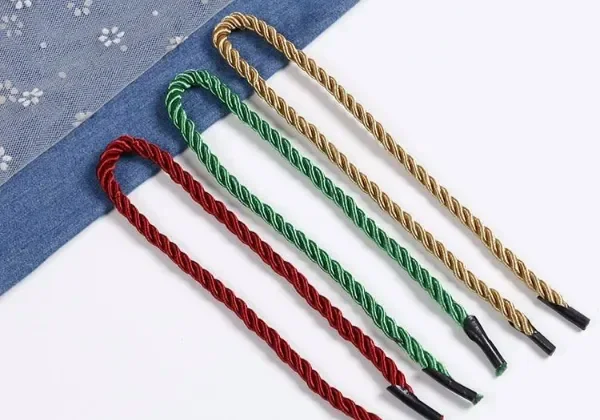
A satin cord on a reinforced anchor, for the weight of a boxed set or a single bottle.
Best forLuxury retail, bottle sets
Run length and the detail inside the artwork pick the press. Colour is a separate decision: a reference is signed off on the proof and checked on the first sheet, which is what keeps a reorder two years later sitting beside the bag it matches. Artwork can be prepared for you if none is drawn yet.
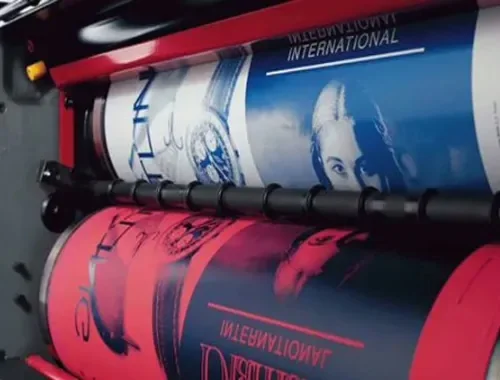
For long runs where the last sheet has to match the first, because that is what a reorder is measured against.
Best on 5,000+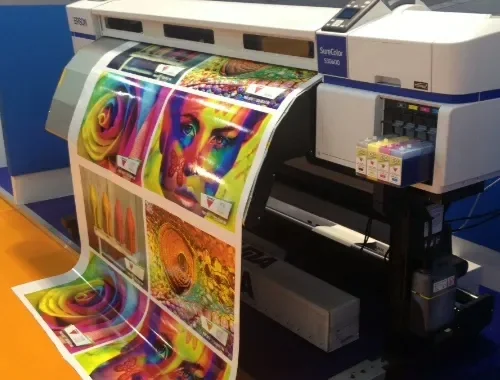
For short runs and fine artwork a plate would flatten, including variable data, letting each bag carry a different name.
Best on 500–2,000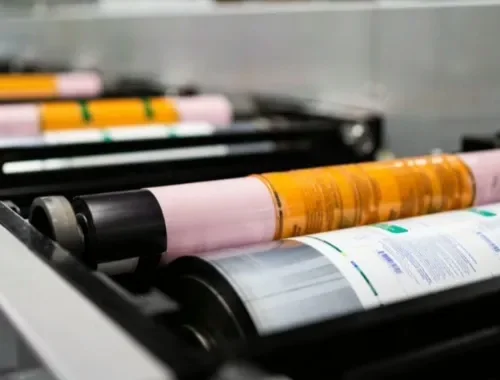
For a plain spot-colour job at the lowest unit price, on kraft where a coating would only add cost.
Best on 10,000+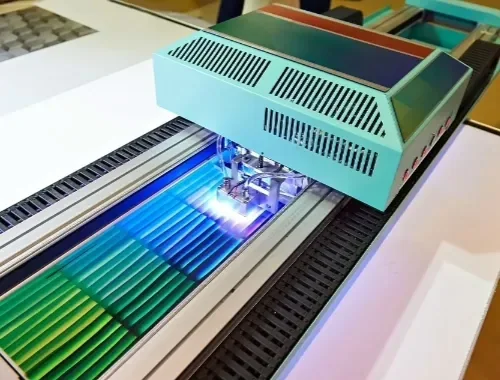
Ink set the instant it lands, so the print resists scuffing and water on a carrier used more than once.
Best for reuseFour surfaces cover most briefs. Each is quoted at the same size, so the difference in price sits right next to the difference in the hand.

A coated surface that holds a photographic print, so colour lands on the bag the way it did on the proof.
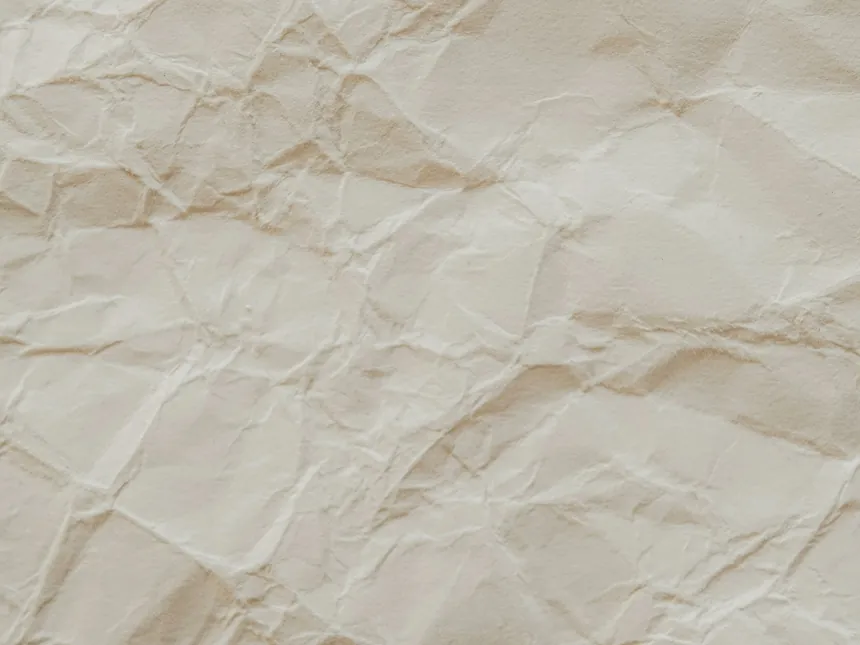
Raw brown stock: plastic-free, recyclable, and the cheapest board to carry a single-colour stamp.
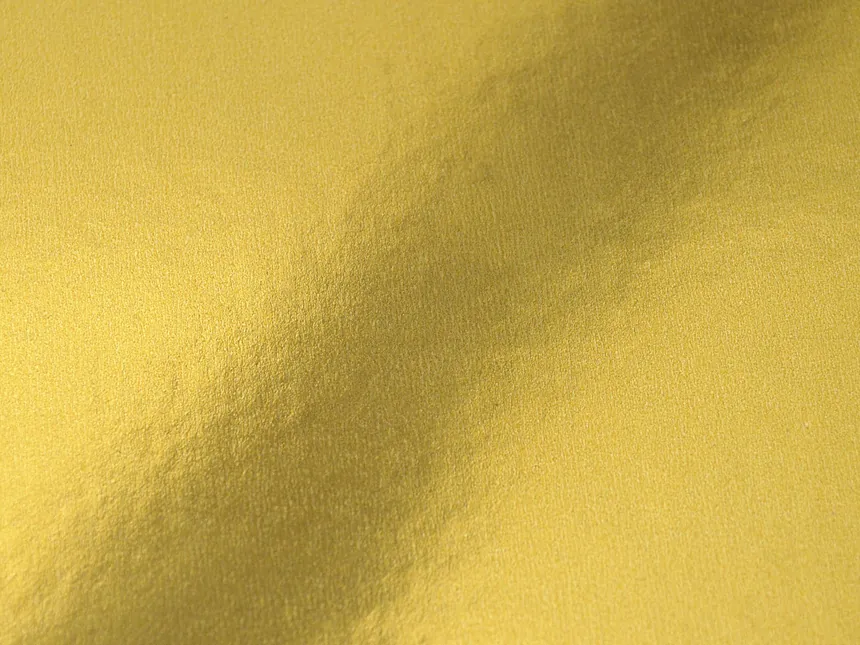
A foil-bearing sheet that throws light back, for a launch that has to be spotted from across a room.
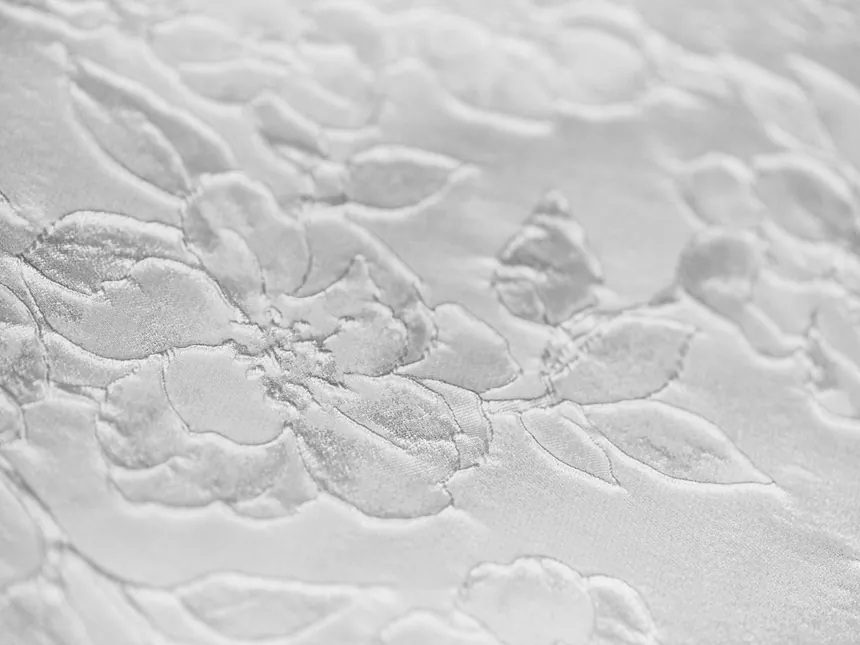
A matte laminate with a pattern raised under the finger — the finish that makes a bag feel more considered than it cost.
A stock bag forces a product into the nearest available size. The dieline follows the item instead — the drawings below are the ones the press is set to.
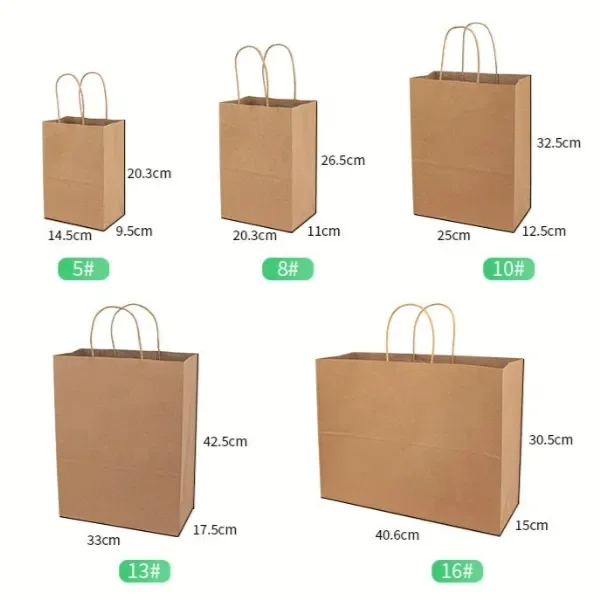
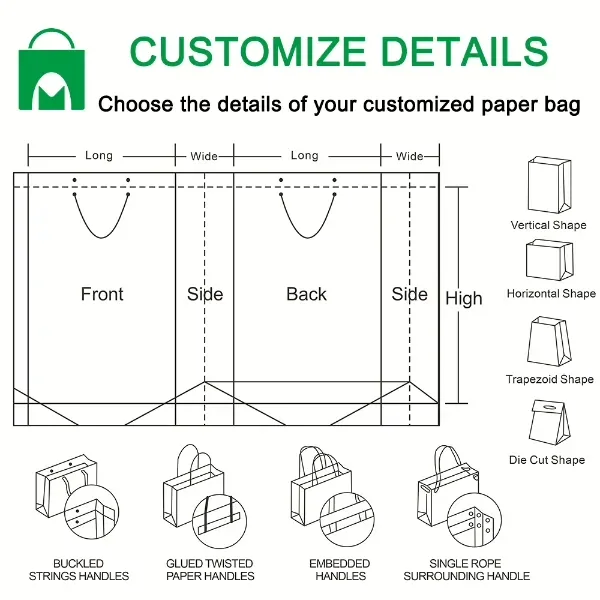
The same questions come up behind every counter — what the item weighs, how it leaves the shop, and what the carrier has to say on the way out. Pick a trade for the build that answers them.
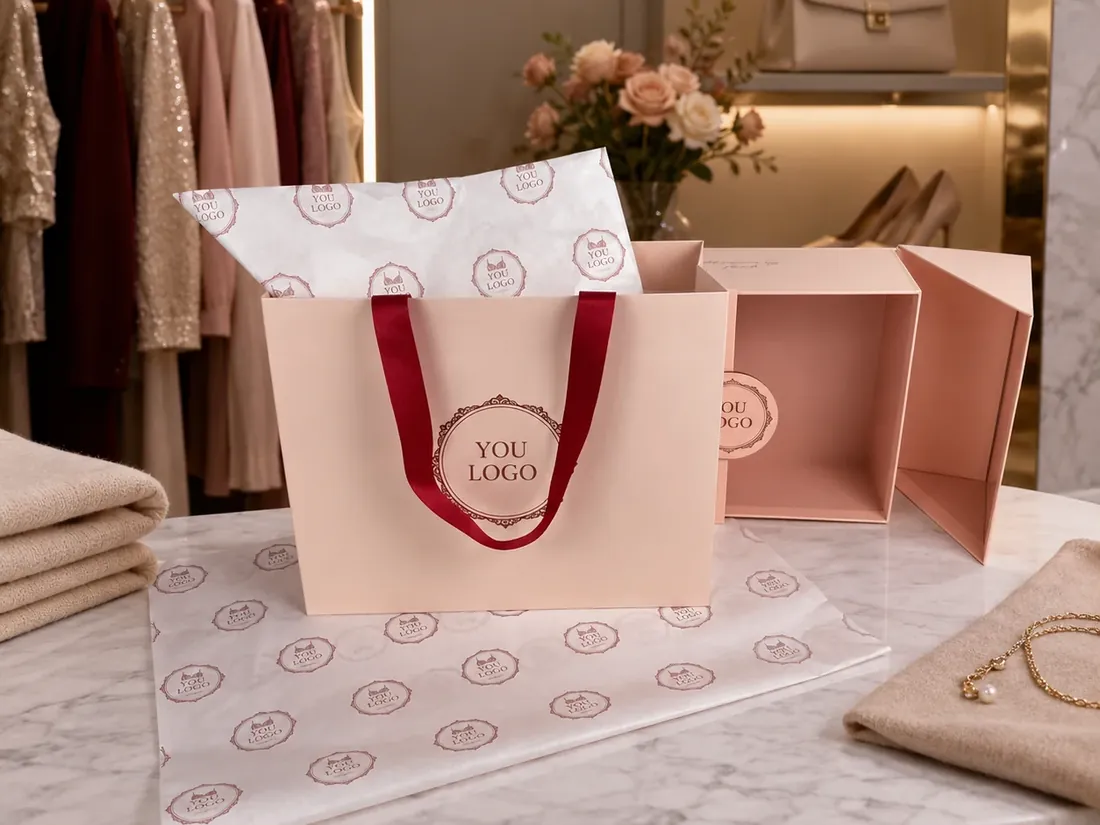
A bag carried open down a high street is a sign that keeps moving. Lamination holds the print through a full day of handling, and a rope handle reads as a brand rather than a shop.
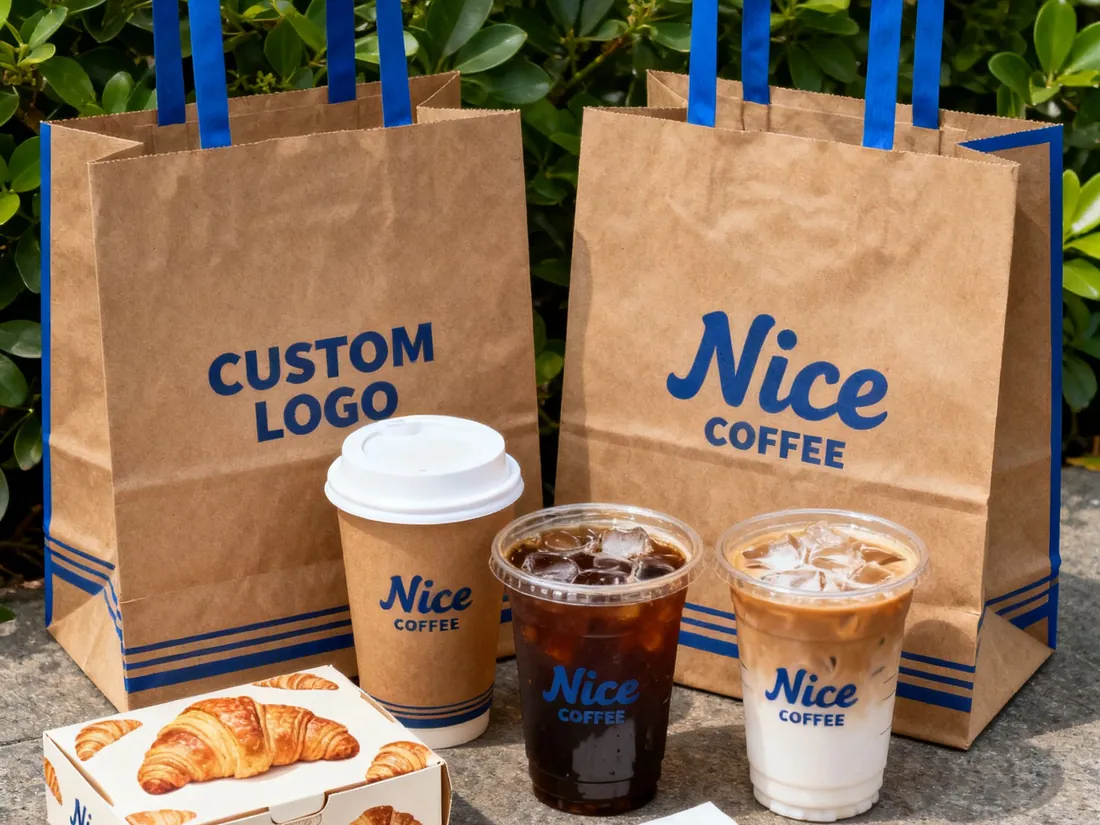
Grease and moisture sit against the board rather than soaking through it. Kraft takes a one-colour stamp without a coating, which keeps the whole unit in the paper stream with the wrappers.
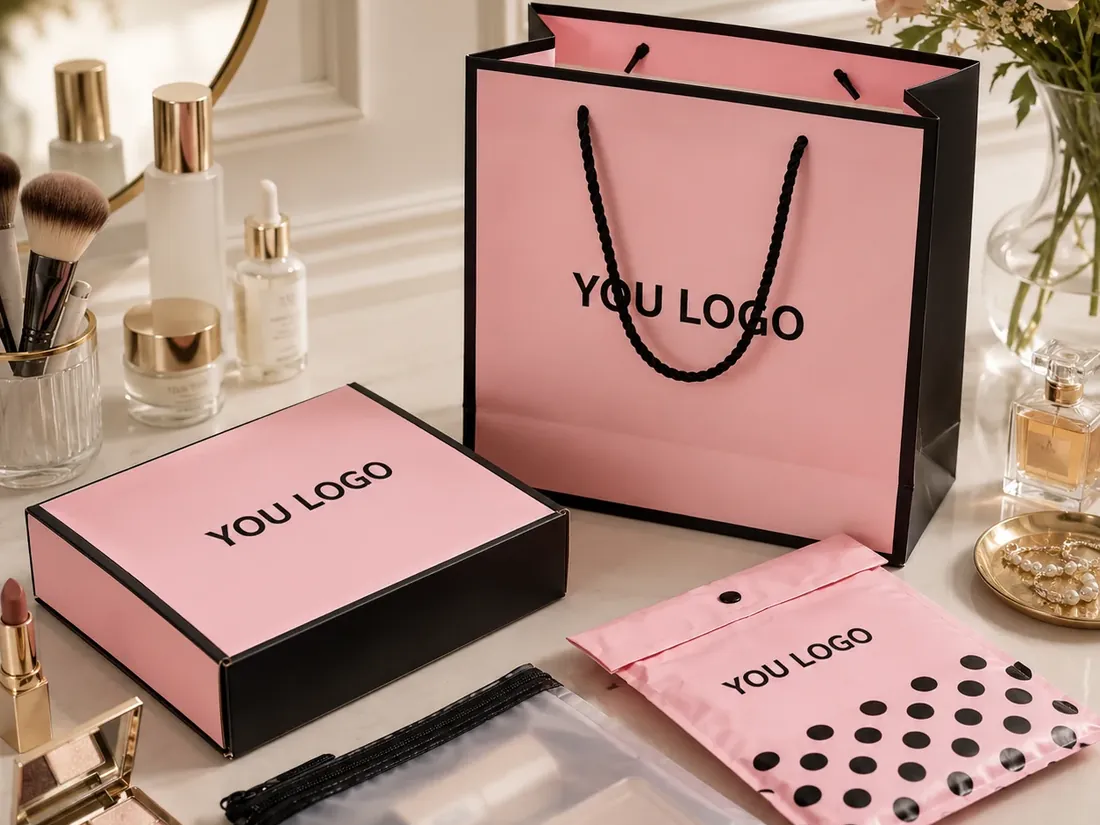
The bag has to feel like the product it holds. A soft-touch laminate and a ribbon handle carry the price point past the till and into the photograph.

Volume against a short window. An integrated handle removes an assembly step, letting a thousand units print, cut and pack in the same run without a rush premium.
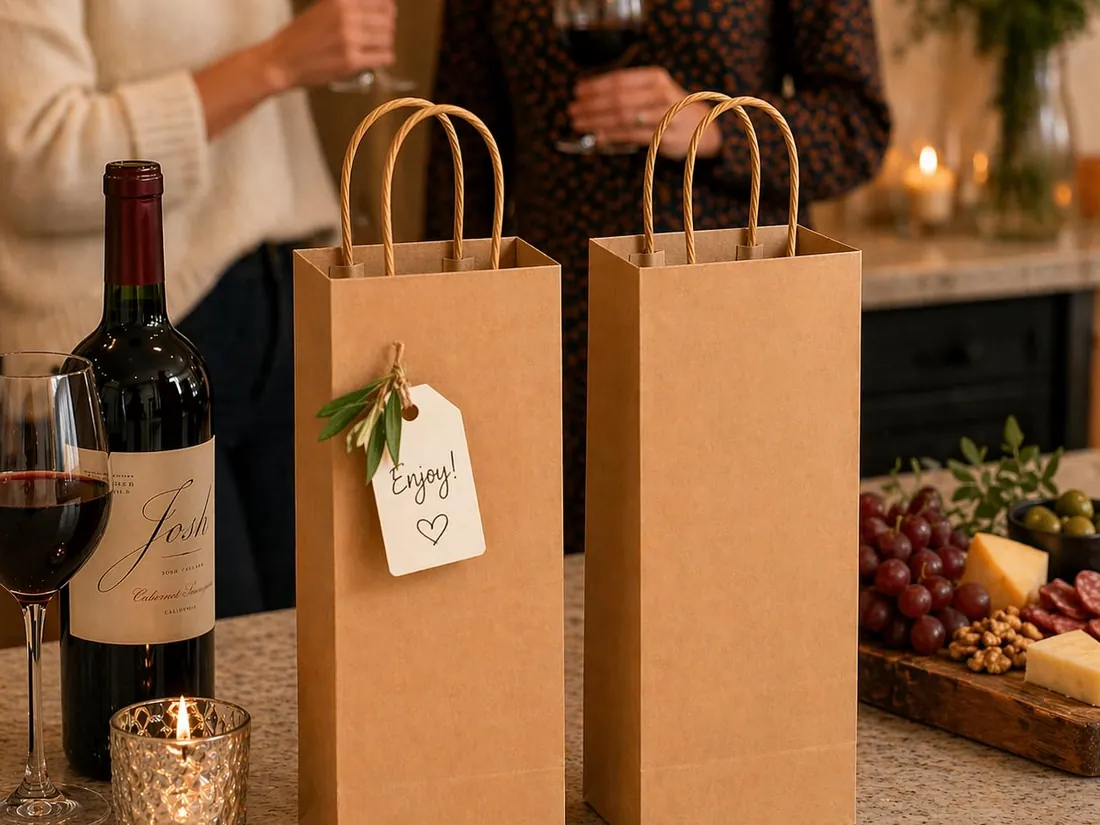
A bottle is the heaviest single item a carrier ever takes. Two layers of board in the base and a nylon anchor hold the load where a standard bag opens up.
A printed carrier travels further than the product inside it — out of the shop, into a car boot and onto a kitchen table. Six of the places it gets used.



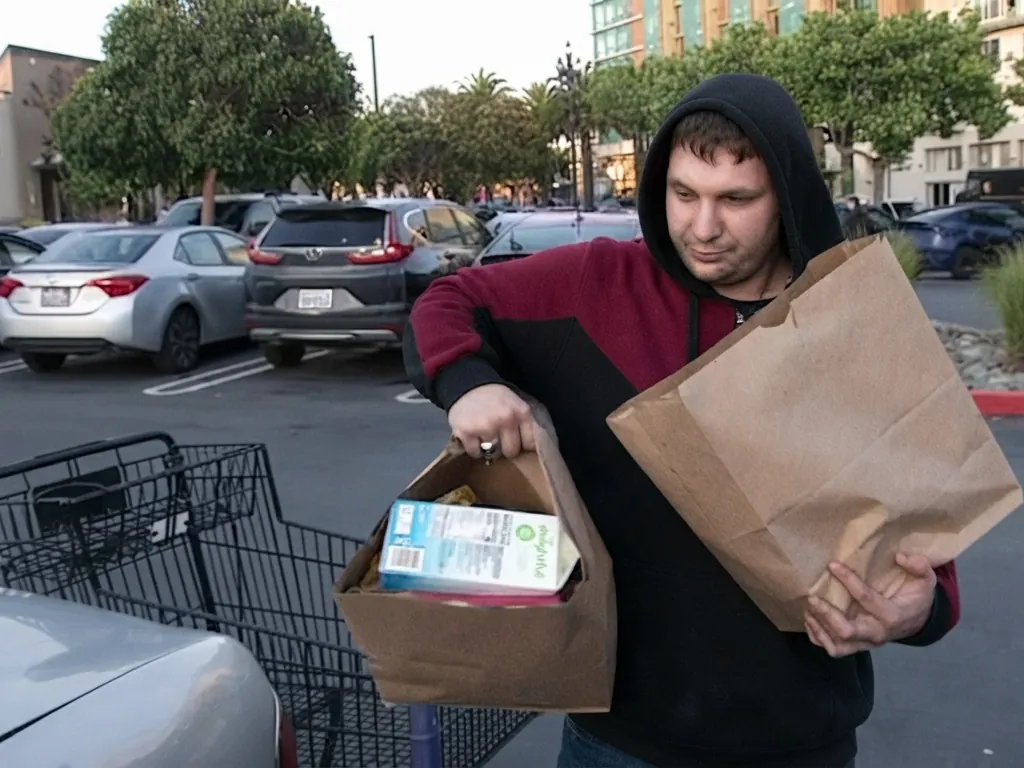
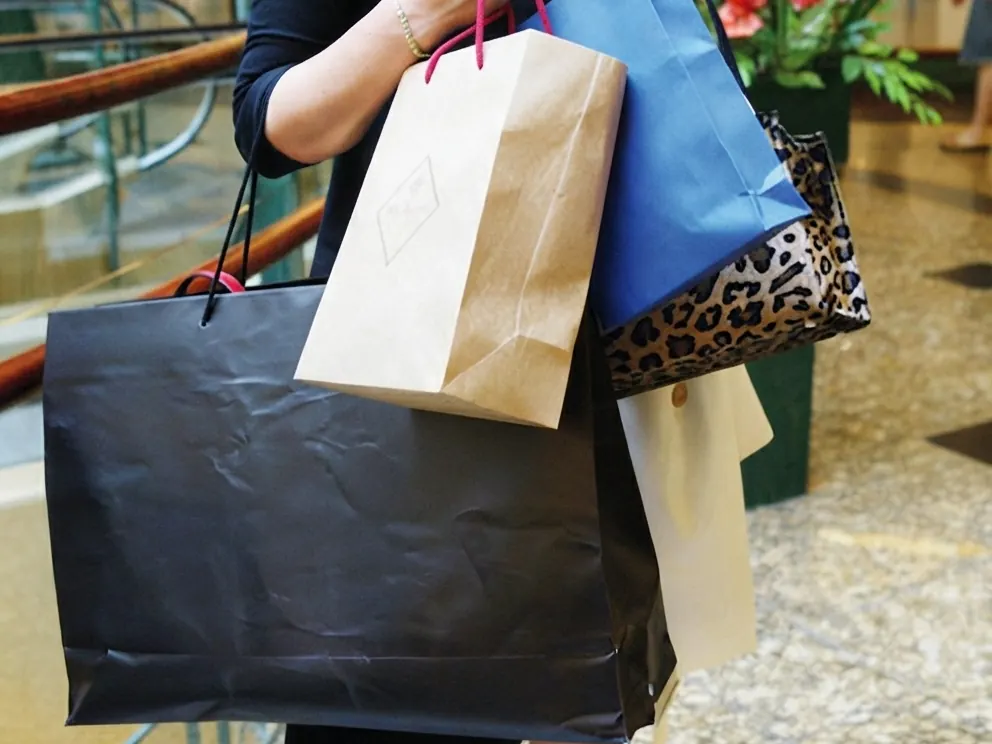
A young brand is normally priced out of a printed bag before the first order. Starting at 500 meant the kraft carrier with cotton handles could be ordered at the same quantity as the first production run of the product itself.
The handle was the part worth paying for. It spreads the load across the palm, so somebody carrying two jars does not feel a cord edge by the time they reach the car.
Feedback came back naming the bag before the product, which is not an outcome a small brand budgets for.

Three suppliers had tried our spice artwork and lost the linework in the pattern every time. The digital sample came back with the detail intact at 180 mm tall, which is the size where a carrier stops being a bag and starts being a label.
A trade show needed 2,000 units inside three weeks. The rush arrived without a surcharge attached to it, and the pallet landed with two days to spare.
The file was set up once. The second order reprinted from it without a colour drifting, which is the whole reason for staying with a single supplier.

A vector file with the dieline on its own layer, or a print-ready PDF at 300 dpi with 3 mm of bleed. Keeping the cut file separate from the design means a size change never means redrawing the artwork.
A deposit confirms the order and the balance clears before the goods leave the plant. T/T and L/C are both accepted, and the split is written into the price rather than agreed at the end.
Carriage is quoted against the destination port on FOB, CIF or DDP, whichever the buying team works in, and the term is named on the quote. Air is priced separately when a launch cannot wait on a sailing.
Yes. A confidentiality agreement is signed before a design file is opened, and a brand’s artwork is never reused as a sample for another client.
No. The minimum applies to a first run of a new design; a reorder that reuses the same die and plates starts lower, because the tooling is already made and only board and press time are being bought.
Send the item’s dimensions and the artwork. What returns is a bag price split into board, print, handle and freight, quoted at each quantity break so the volume worth aiming for is obvious before anything is ordered.