 01
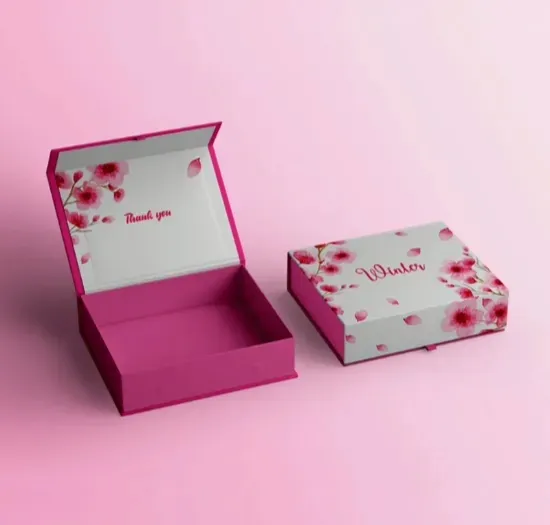
Magnetic Closure Rigid Box
Hidden magnets pull the lid shut, so the box opens like a book and closes with a snap — the build most often kept after the product is gone.
Best forCosmetics, gift sets, small tech

Commercial-grade custom rigid boxes built with automated corner positioning to eliminate unboxing defects, reduce product return rates by up to 35%, and protect your brand margin.

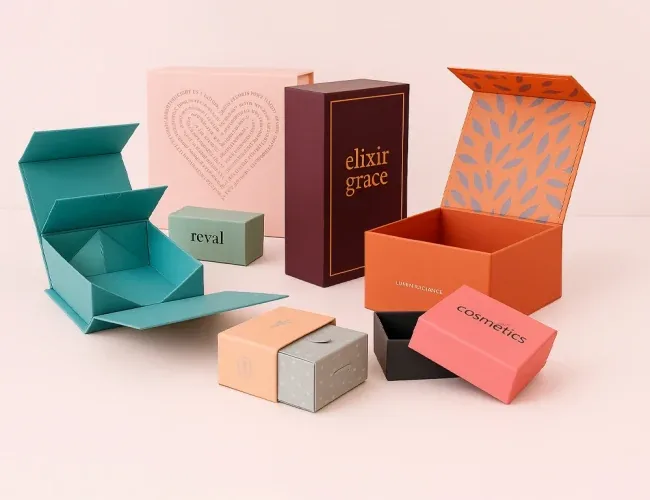
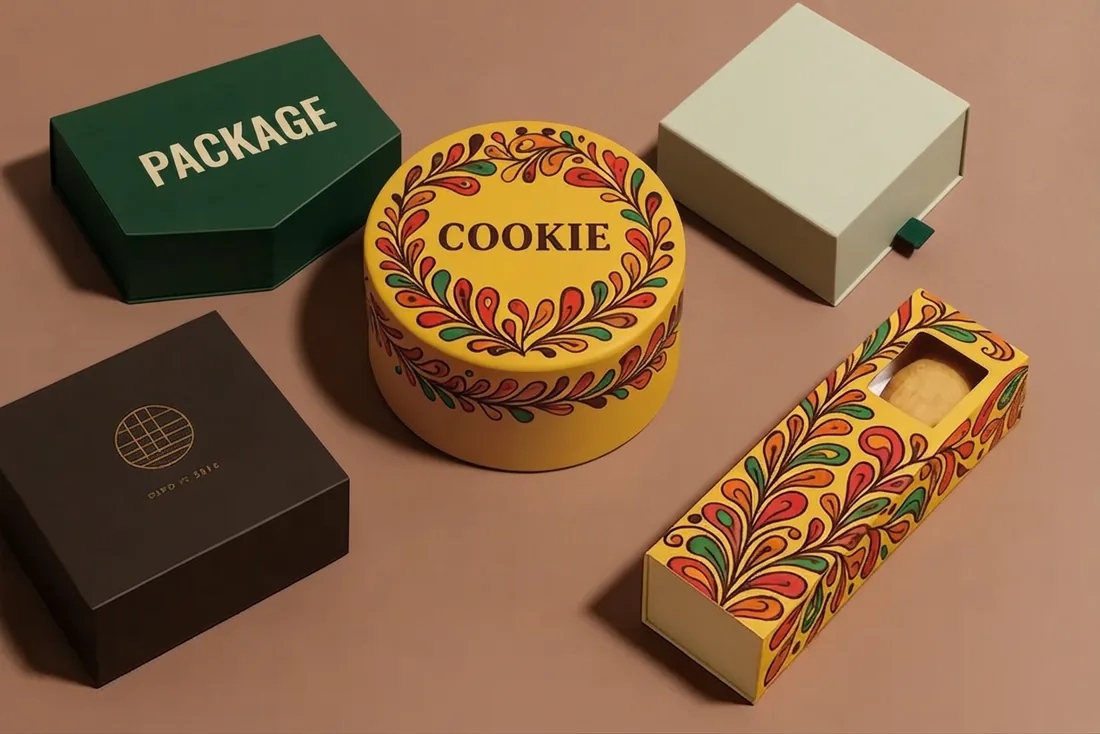
Four corners come out of the run aligned: no bare board along the edge, no printed panels stopping short of each other, and nothing that reads as improvised the moment the lid comes off.
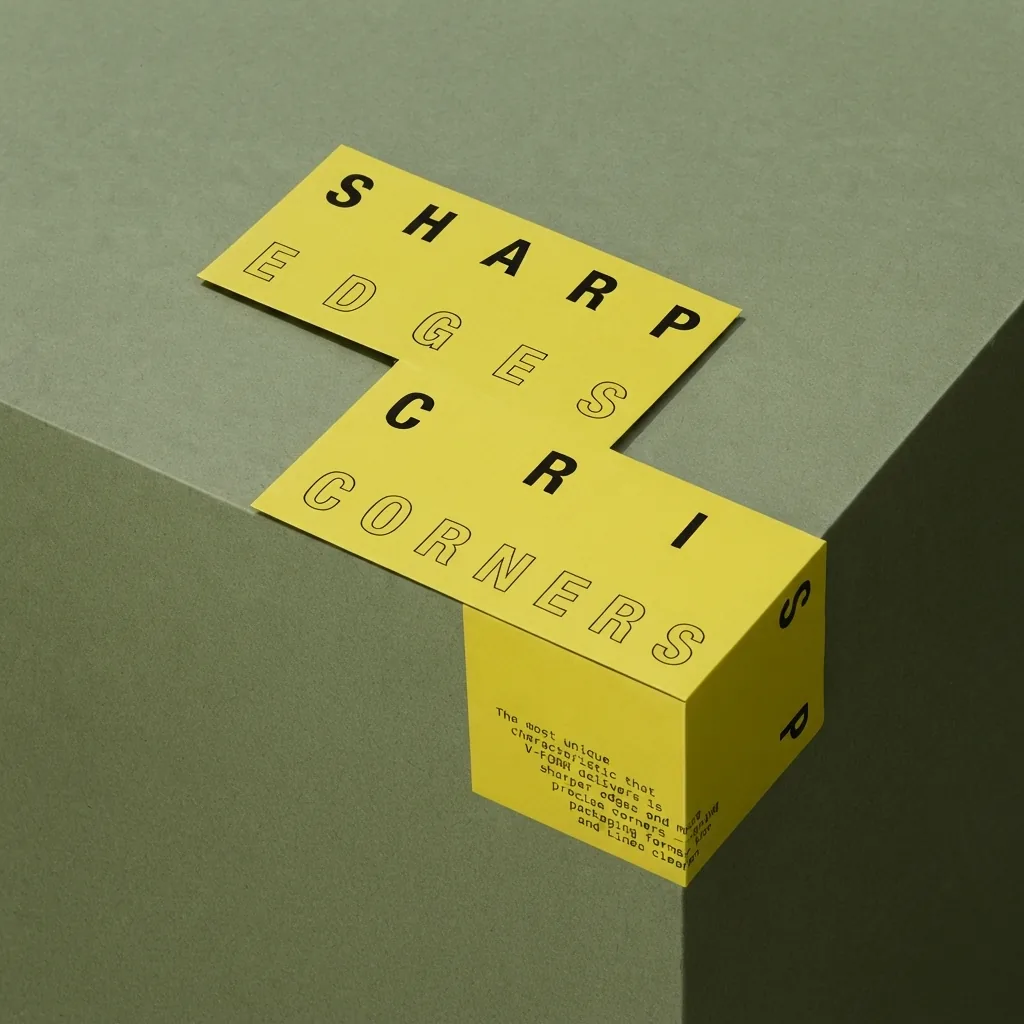
The groove is cut at the corner angle, and the board is positioned by machine rather than by eye, so the wrap folds on the same line from the first box of a run to the last.
The wrap riding up the board until a sliver of grey shows along the edge, and printed panels that should meet at the corner never quite touching.
A V-groove cut a fraction off the corner angle, or a wrap laid down before the board is fixed — so the paper finds its own line instead of the intended one.
Magnetic, drawer, shoulder-neck or collapsible — the build is chosen for the product and the channel, then cut, wrapped and lined by the team that quoted it.
01Hidden magnets pull the lid shut, so the box opens like a book and closes with a snap — the build most often kept after the product is gone.
Best forCosmetics, gift sets, small tech
 02
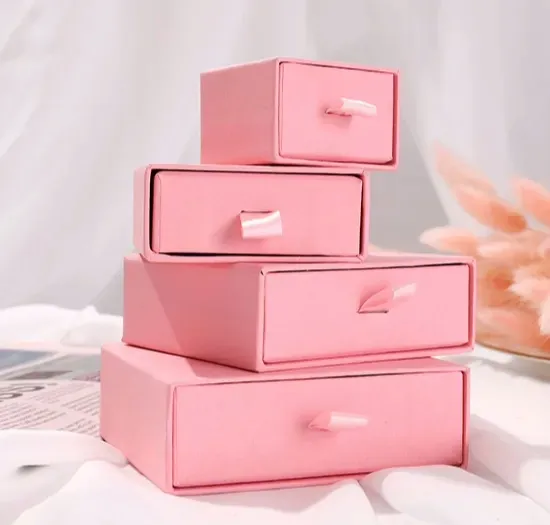
One pull slides the tray clear, which suits a set that has to be shown rather than tipped onto a table.
Best forJewellery sets, hampers, candles
 03
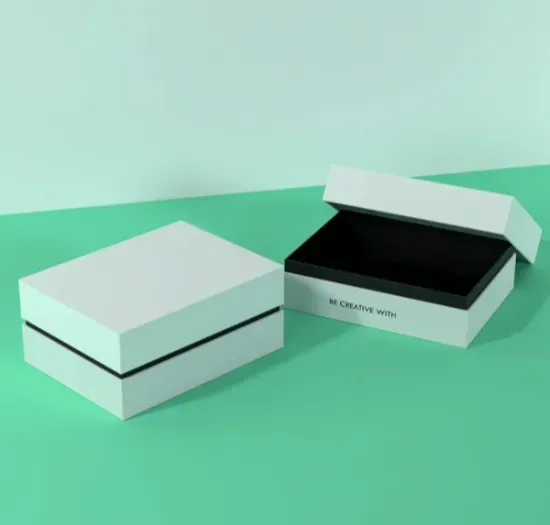
The lid sits over a raised shoulder, which keeps both halves lined up on every box in a run and lets the lid lift without sticking.
Best forPremium retail, cosmetics, spirits
 04
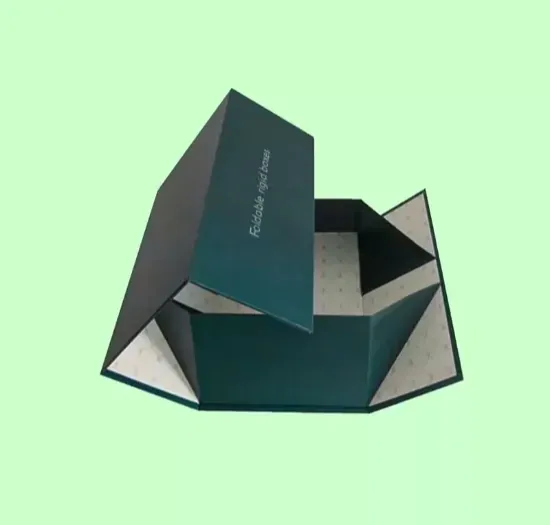
The build for a brand that fills its own boxes and pays its own freight.
Best forE-commerce, subscription, DTC
 05
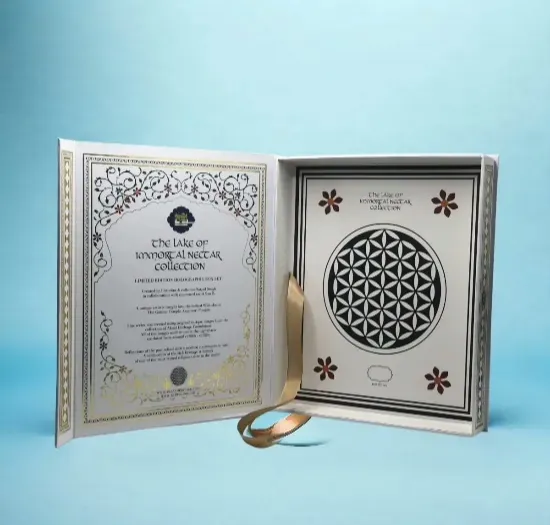
Hinged along one edge, the inside becomes a second surface — room for a printed story or a fitted tray.
Best forCorporate gifting, keepsakes, media
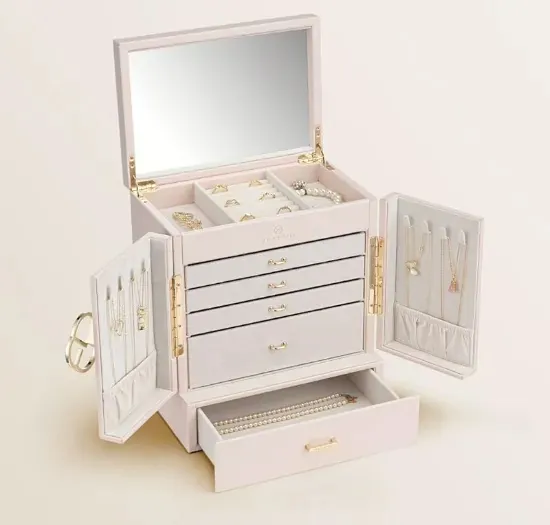 06
A mirrored lid and tiered drawers, built at the scale of a ring rather than a shoebox.
Best forRings, watches, fine jewellery
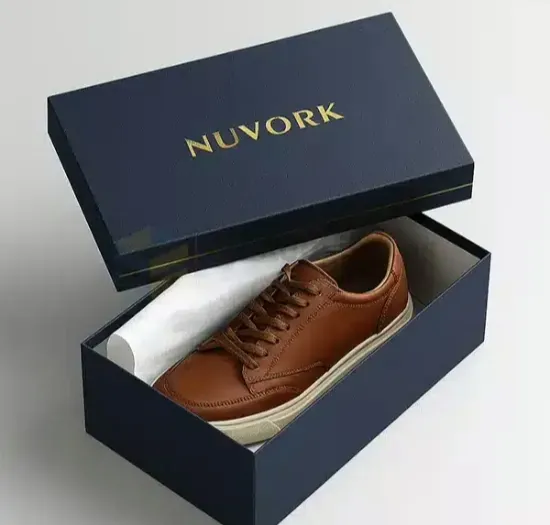 07
A long, deep shell that keeps a pair in shape through courier handling.
Best forFootwear, apparel, limited drops
 08
A layered insert stands glass upright; nothing knocks against anything else on the way to a counter.
Best forSkincare, fragrance, makeup
 09
The gifting build — printed wrap, ribbon or magnetic lid, and an insert cut to the present it holds.
Best forGifting, seasonal, confectionery
A collapsible shell ships flat and is built up where the order is packed.
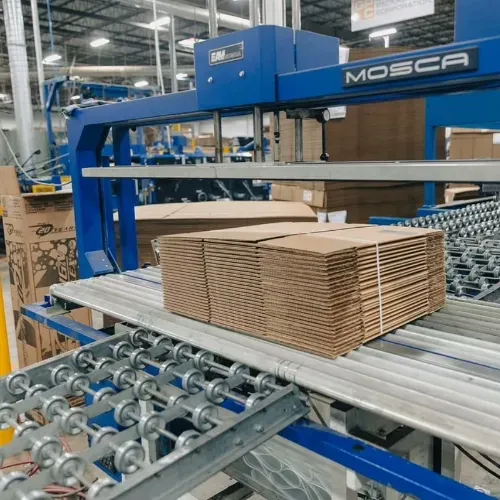
A container is priced on the space it takes, and a knocked-down shell takes a fraction of an assembled one — up to 60% off the bill for bulk orders.
The corners lock by hand. No glue, no jig, no fixture to hold the frame while it sets.
The core, the wrap and the insert are the ones a fixed box uses.
Four decisions are settled before the press runs, and each is drawn against a real object rather than a catalogue page.

Bespoke die-cut outlines, divided compartments and lids that slide instead of lift. The shape is drawn from the product’s own measurements, so nothing has to be packed around a compromise.
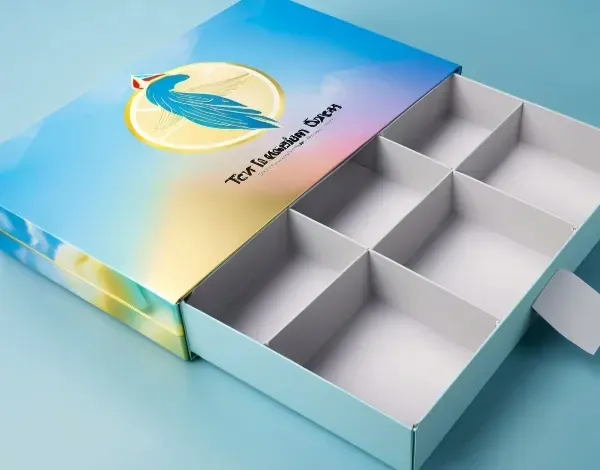
The insert is what holds the item still and sets the height it presents at. Foam, board or moulded pulp, cut to the exact object rather than padded out with filler.

Wrap and finish are settled as a single decision, before the first plate is made. What the surface feels like in the hand is chosen at the same time as what it looks like on a shelf.
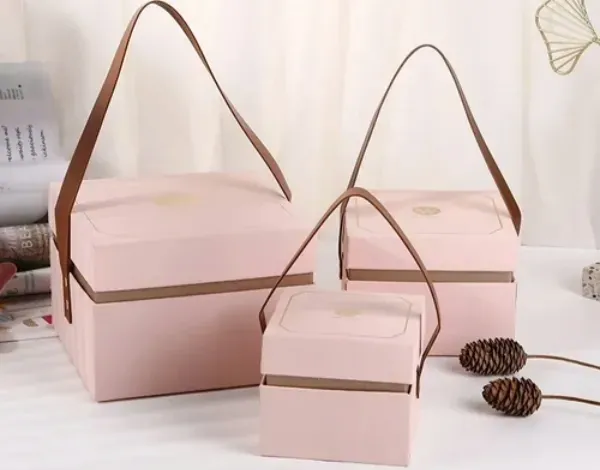
Ribbon pulls, leather handles, magnetic closures, elastic bands and window film. These are the details a buyer meets first, so they are never an afterthought.
A rigid box is a greyboard core finished with a wrapped surface. Those two choices decide the weight in the hand and how the print reads.

Recycled pulp pressed into a dense core — the reason a rigid box keeps a shape a folding carton cannot.
Best forThe structural core of every rigid box
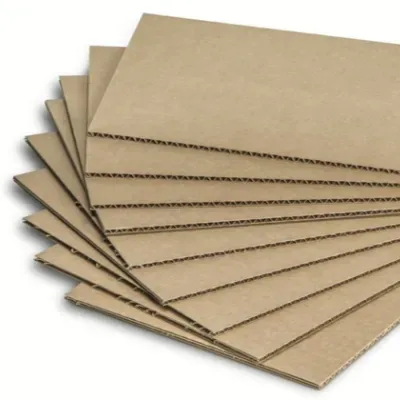
Grey on the back and white on the face, so a printed wrap needs no separate liner.
Best forPrinted wraps on a tighter budget
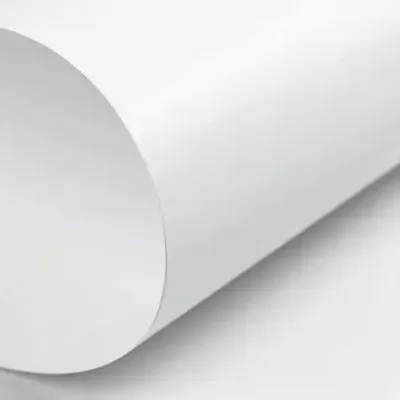
Bleached board coated on both faces; the smoothest sheet for fine line detail and a soft-touch lamination.
Best forCosmetics and premium retail
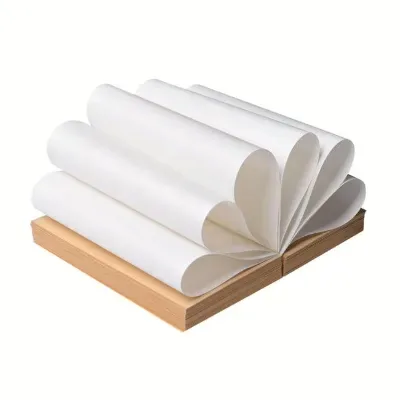
Unbleached fibre with a clean white face, for a natural look without the brown.
Best forEco ranges and natural goods
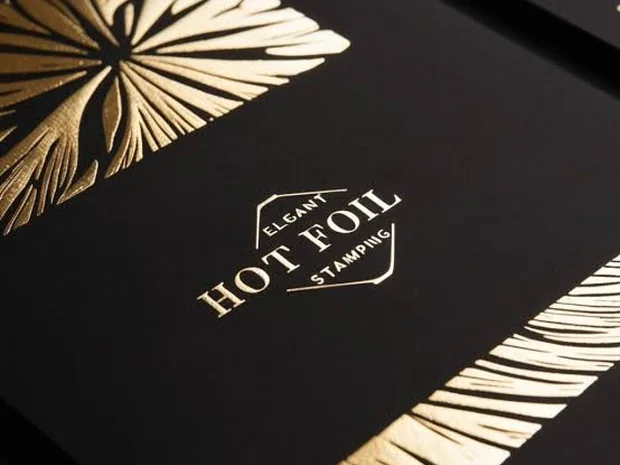
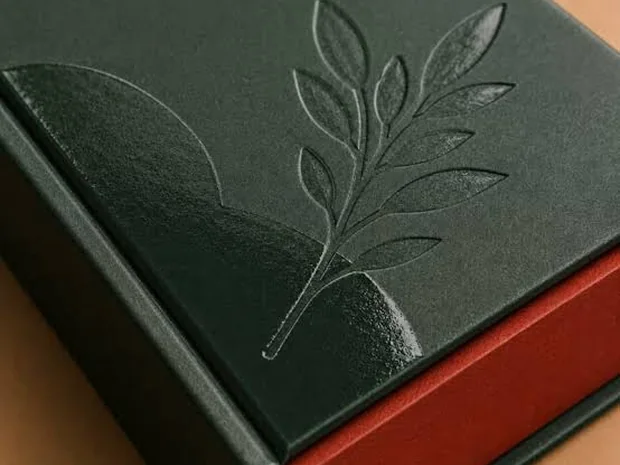
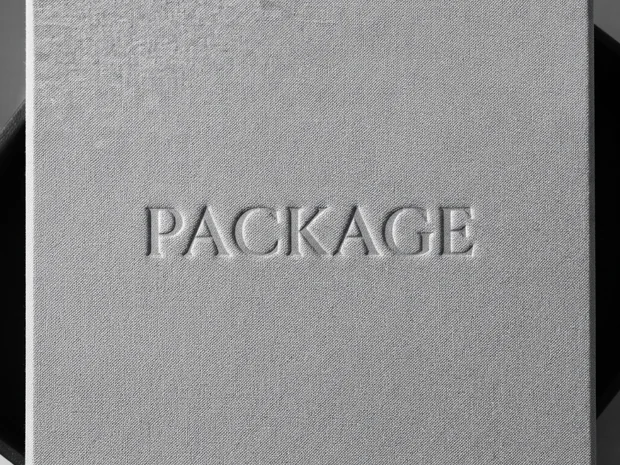

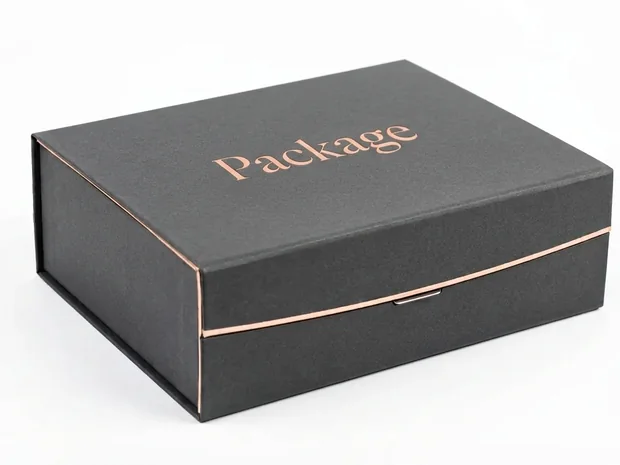
Pulp traced from a certified forest through to the delivered pallet.
Trim and offcuts are baled and sold back into the paper stream rather than landfilled.
No solvent-borne VOC vented over the press hall.
Standard rigid boxes recycle in most paper streams once the fittings come out.
Six product families, with the structure and the insert that usually fit each. A place to open the quote from, not a rule set.
A lid that lifts clear and a tray that holds the piece at the height the eye lands, so it reads as a piece before the price is seen.
Shoulder-neck · velour tray
Glass stands upright in a cut cradle, so nothing shifts in a courier’s van and the bottle reads as the product rather than the padding.
Magnetic closure · die-cut cradle
Travels flat, arrives rigid, and holds the product without a mark on it — at a freight cost a built box cannot match.
Collapsible magnetic · flocked cushion
A two-piece shell with a cradle cut to the bottle, so the pack carries the same gravity as what is poured from it.
Two-piece lid and base · bottle cradle
A long drawer box that holds its form in transit, so a pair arrives as crisp as it left the line.
Drawer or long shoe box · tissue wrap
A partitioned tray stops the contents moving, so a hamper arrives arranged instead of rearranged.
Collapsible shell · partitioned tray
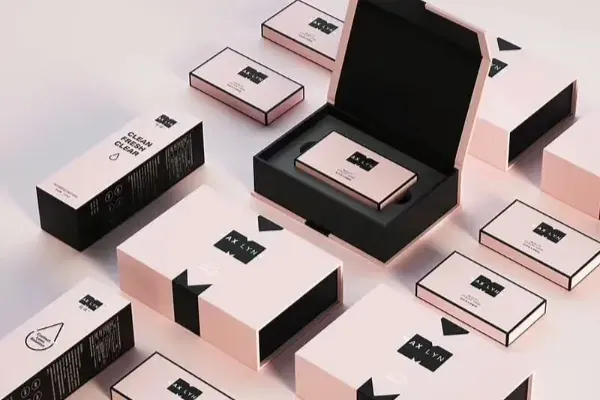
A box that survives the counter and the journey home — the lid lifts on hidden magnets, a matte wrap that does not fingerprint, and a foam insert cut so the tray cannot shift.
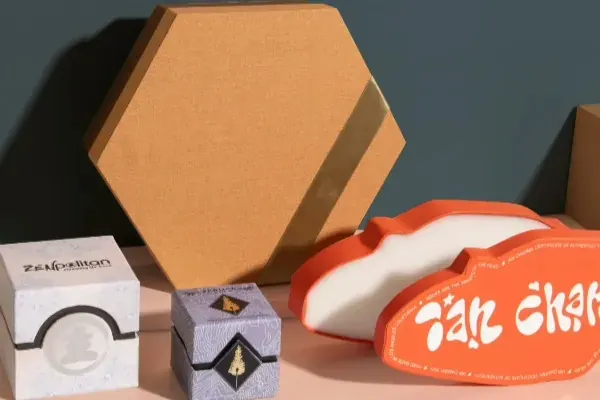
A silhouette a stock box cannot give you, die-cut to its own outline so the corners stay sharp and the shelf presence is unmistakable at arm’s length.
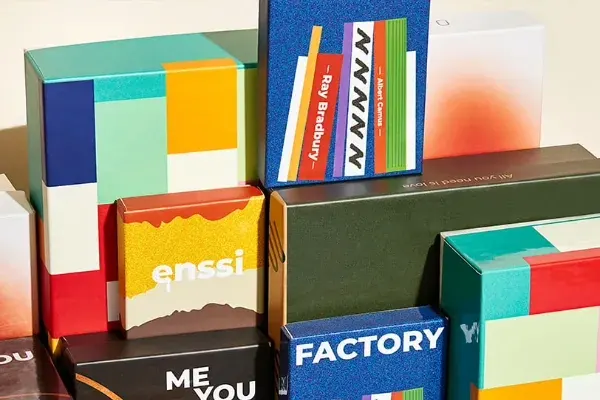
A whole range on one board thickness, so the titles line up on a shelf and adding another costs a plate rather than a fresh tooling change.

Six wrap colours and a spread of sizes produced as a single run, so the gift table arrives looking designed rather than assembled.
The same four steps run for a first sample and for a repeat order.
Bring the product dimensions, the quantity and whatever artwork exists.
A 3D mockup goes out before anything is cut, and a physical sample follows for the fit and finish in the hand.
Quoted per structure and per artwork, itemised across board, print and finish, with the unit price shown at each quantity band.
Runs from the approved sample, with the floor status reported at each stage.




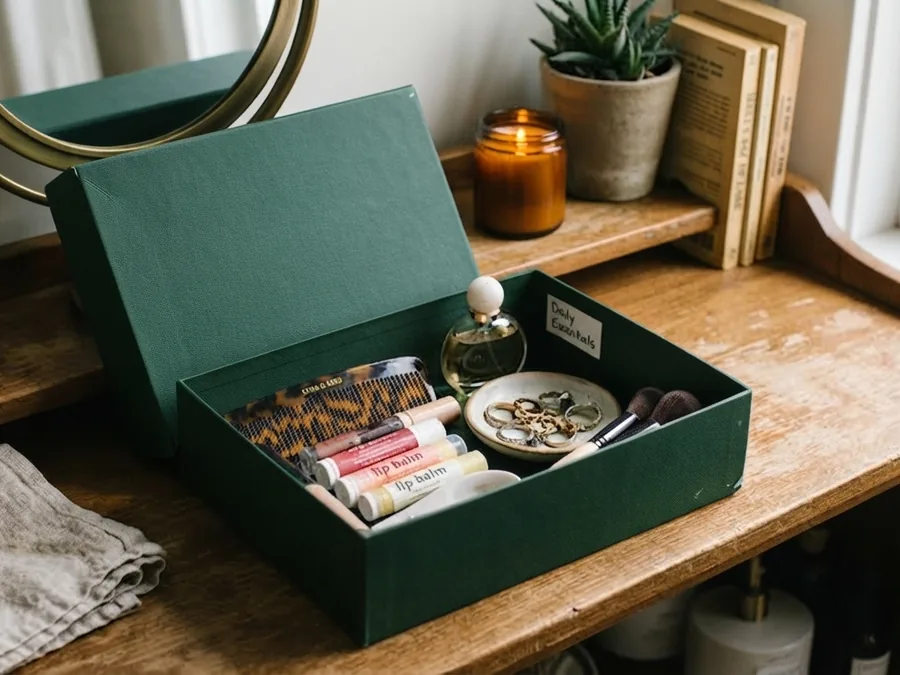

We sell a premium snack line, so the packaging has to say that before anyone tastes anything. The rigid setup with window cutouts shows the products off properly, which a printed carton with a photo on it never did.
The eco-friendly rigid board option also covered the sustainability goals we had already made public. Our bulk order of 2,000 units was handled without a hitch — consistent quality right across the run, and a turnaround that never became the reason a date slipped.
Repeat orders are up 30% since the packaging changed. Top-notch service from start to finish.

We ship gadgets worldwide, so the box has to survive the courier before it has to look good. Thick chipboard and precise die-cut inserts were the two things that decided it for us.
Nothing moved inside. The offset printing came out crisp, and a 500-unit rush order was accommodated without anyone asking us to move our own date.
No dents and no delays — it took a recurring headache out of fulfilment, and our customer satisfaction scores moved with it.

Yes — a dimensioned sketch, a reference box or a print-ready file all work. What matters is the product dimensions and how it should sit inside.
Yes. Pantone matching is used across every element, and supplying the colour codes up front gives the closest result between the screen and the ink.
5–7 business days plus shipping, on a rush slot. The fee depends on the quantity and how complex the build is.
The signed sample is the reference for the whole run. Where the variance sits with us, the batch is remade or the order credited.
Yes. Boxes leave the plant by sea or air, and can be routed to a port, a distribution centre or straight to your own dock.
The die and the plate set stay against the artwork, so a second run of the same structure and print does not start from the drawing board again.
The quote comes back against a specific build, not a price list. Asking for one commits you to nothing, and you do not need the packaging vocabulary — describe what you ship and the build gets named for you.