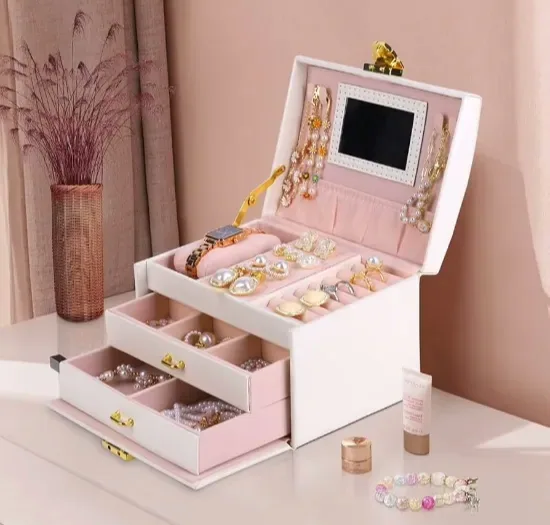
Custom Jewelry Boxes
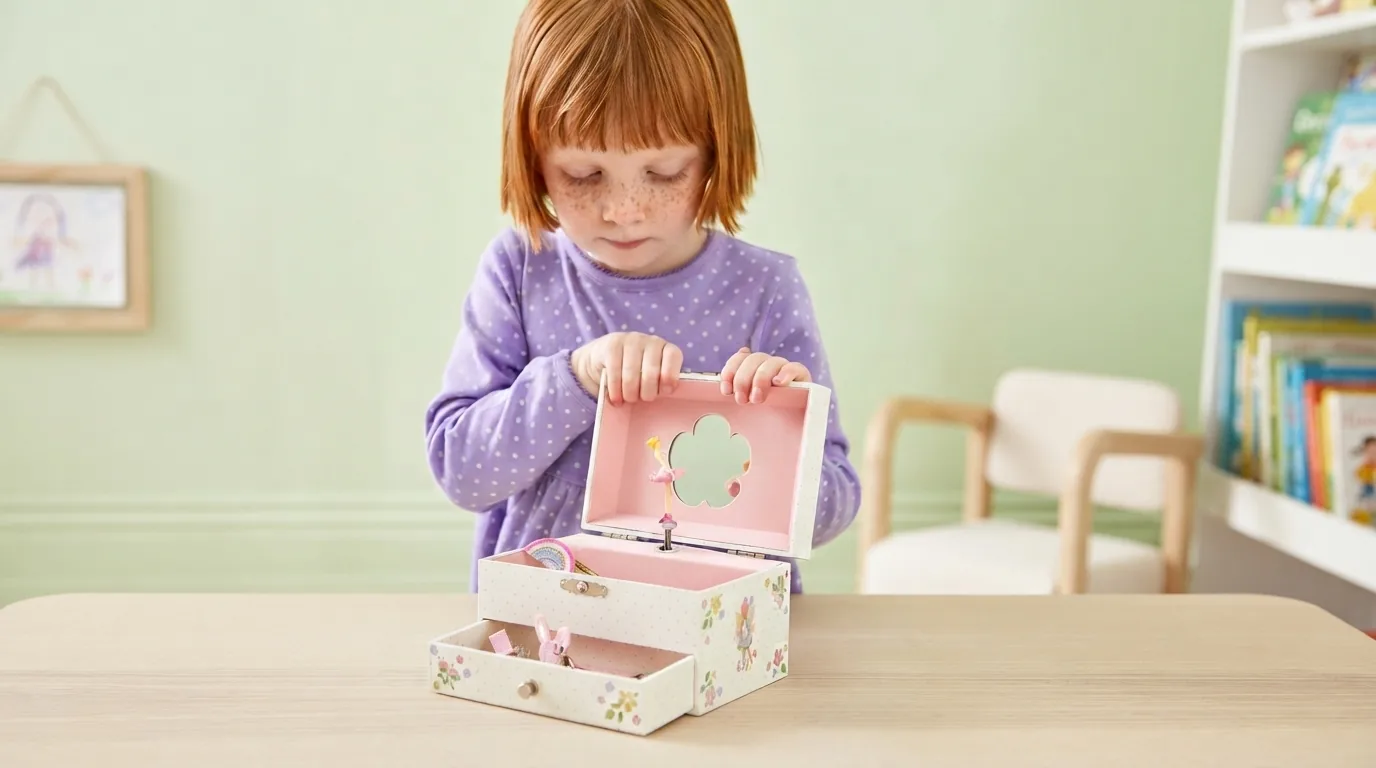
A soft-touch shell and a fitted insert, so a small piece sits centred.

Products that arrive intact, returns that stop climbing, and an unboxing that still feels worth the price. That is the job the box does in the last mile — where a crushed corner becomes a refund and a scuffed lid becomes a review.
Nine constructions under a single roof: the box suits the product, not whatever the line happens to be running — with board, fit and finish tuned to the channel it sells through.
A soft-touch shell and a fitted insert, so a small piece sits centred.
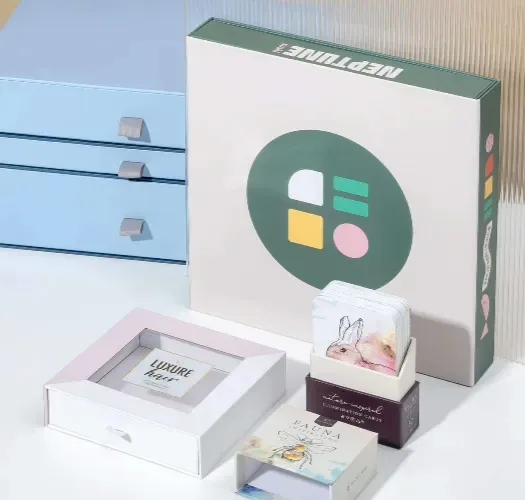
Thick greyboard wrapped in printed paper — the weight a gift is expected to have.
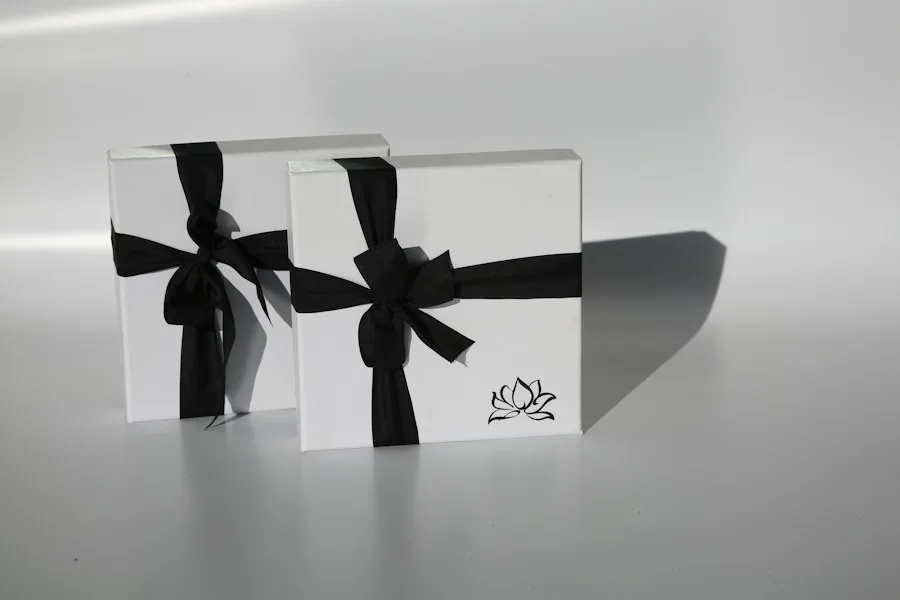
A snap-shut lid that opens like a book and closes with a clean click.
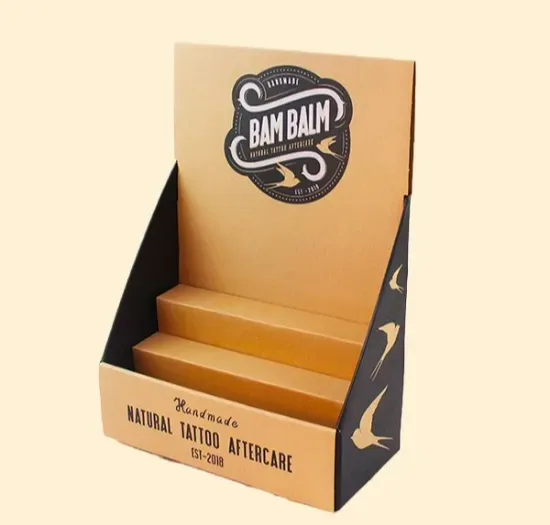
A counter or shelf piece that shows the product and sells from the carton.

A snug cavity and a printed panel that carries the scent note and burn time.

Shelf-ready cartons with the foil and finish the price point asks for.
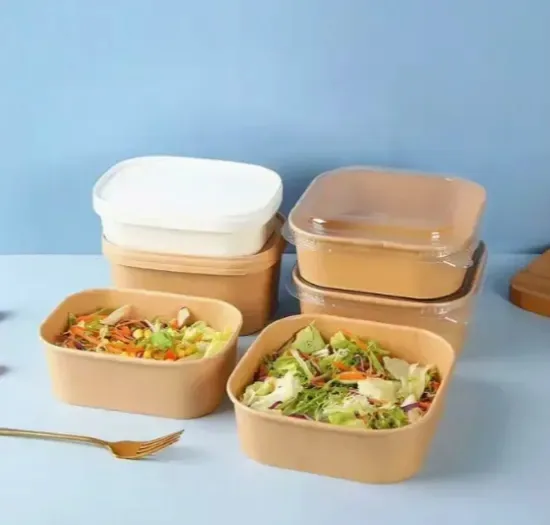
Food-grade board and linings that keep grease, moisture and flavour in place.
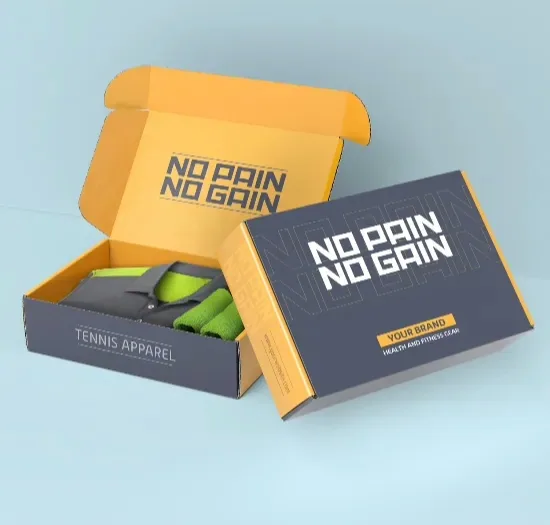
Folding cartons and mailers drawn for folding, stacking and a tidy return.
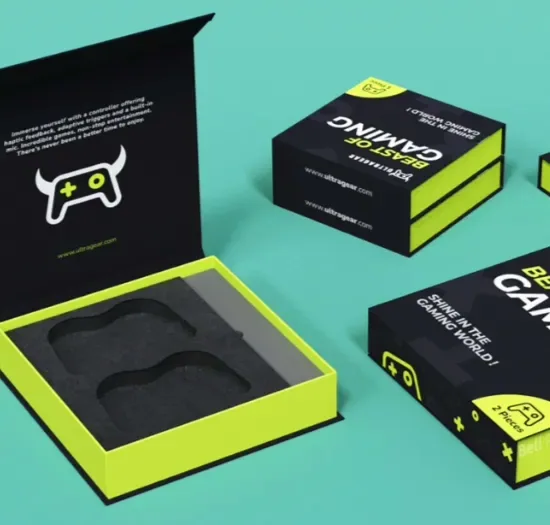
A fitted cradle plus ESD-safe material, so the device arrives unmarked.
Five box types on the same five points — the decision gets made on structure rather than on a recommendation.
Full-colour print
Recyclable paperboard
Custom sizes and dielines
Rigid board shell
Fitted insert
Four things that change once the factory answers to your brand rather than to a catalogue.
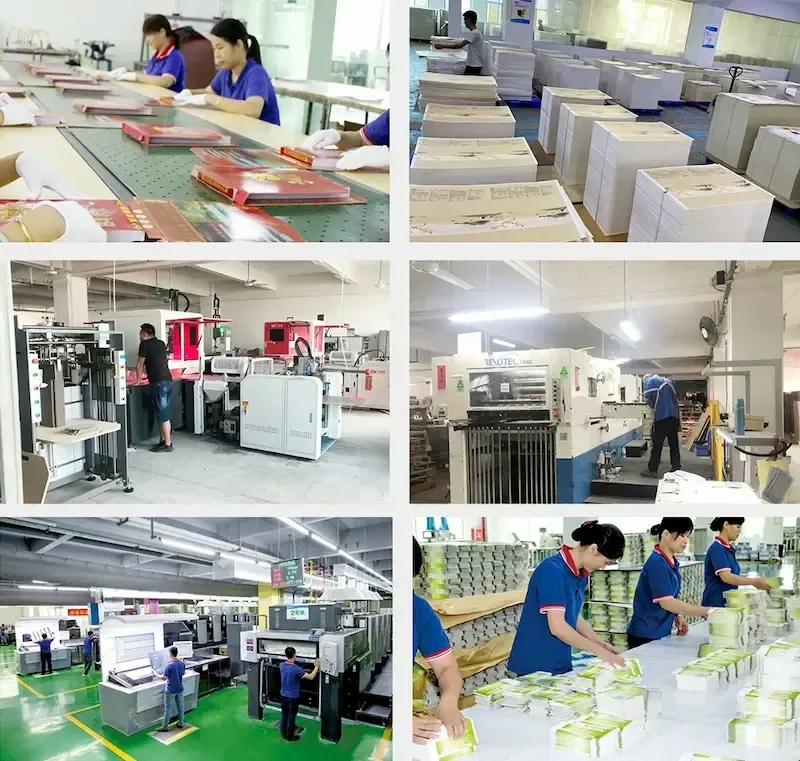
Prepress, the press operator and a final inspector each sign off; box ten thousand matches box one.
A test batch and a full rollout come off the same line, with nothing retooled between them.
Sizes, shapes and finishes follow the product, never a near-enough stock carton.
A single contact holds the order from the first quote to the last pallet, and answers on the same day.
An engineer works out the structure from the product and the channel it ships through — the box quoted is the box that fits.
A crushed carton costs the product, the freight and the customer. Structure is settled before the press runs, because the flute, the board and the fit decide what survives a sorting belt.
Four ways a carton usually loses
A corner takes the first hit whenever a pallet is set down, so the flute is doubled exactly where the load lands.
The insert is cut to the product rather than padded around it, and nothing shifts on a rough leg of the route.
Damp air softens corrugated from the inside out; the liner seals moisture off before the board gives.
Empty space is volume paid to ship, and paid again on the next order.
Half a million units a month across more than five hundred brands — volume you can plan a launch around, with board and a container port a short hop away.
Mills a short drive away
Board comes from mills within a short drive of the floor; procurement never waits on an import to clear a port before the next run starts.
A short inland haul
Dispatch leaves from a port city, keeping the inland leg short with a choice of sailings each week.
Nothing leaves the building
Printing, die-cutting, gluing and packing all happen on site, with nothing trucked between vendors and no colour re-registered at a second shop.
No blind spots
Order status is checked and shared at each stage, from prepress through the run to the pallet; a delay surfaces early enough to protect the delivery date.
What a box is made of decides whether it recycles and whether it passes an audit.
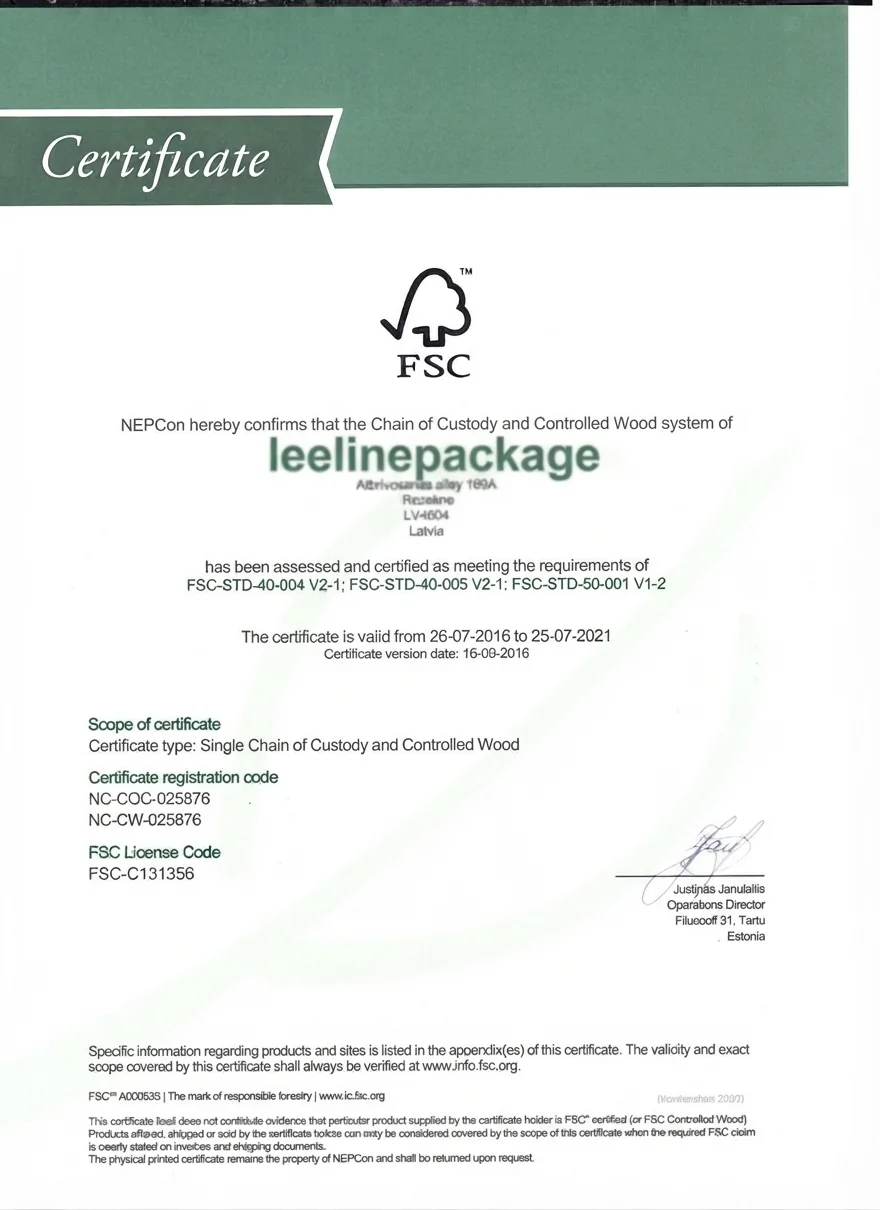
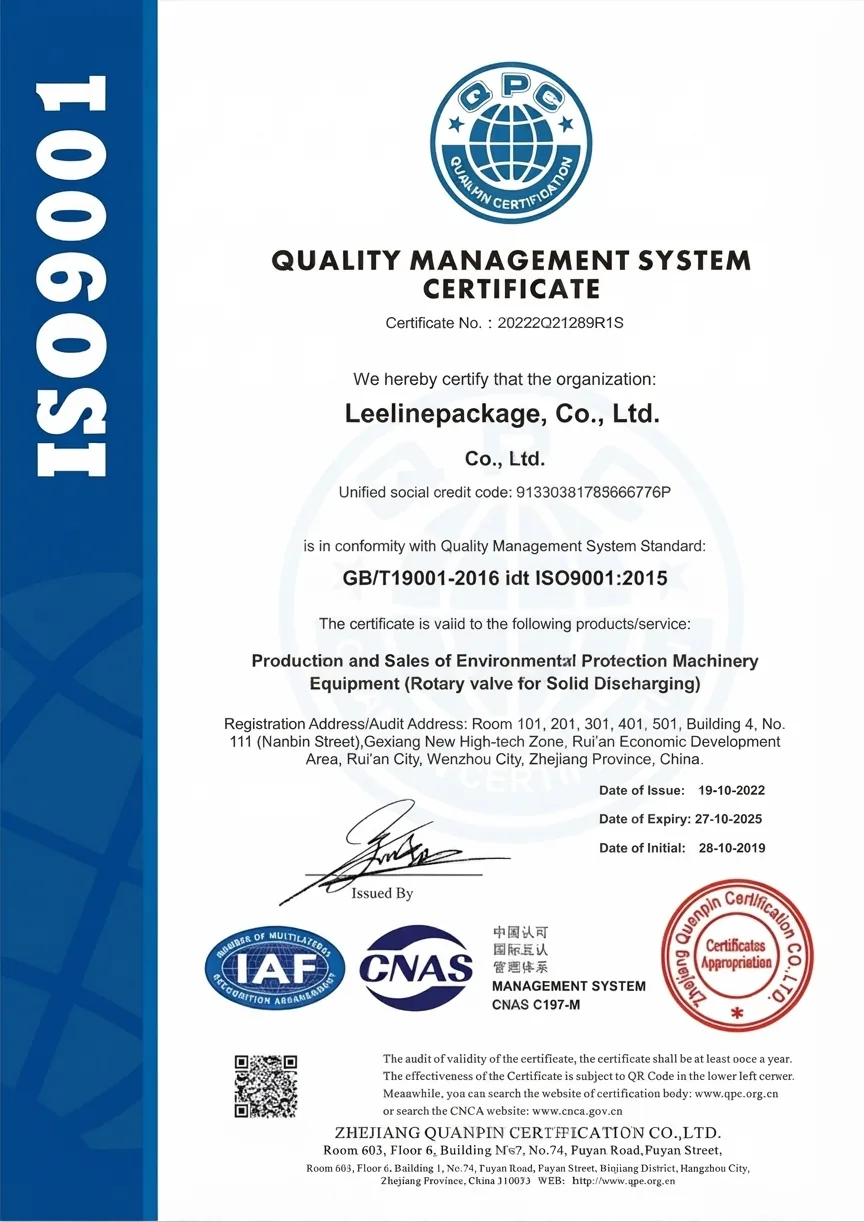
Beyond the standard carton, for products that refuse to sit in a rectangle. Each shape is drawn to the product, the shelf and the count in the order.
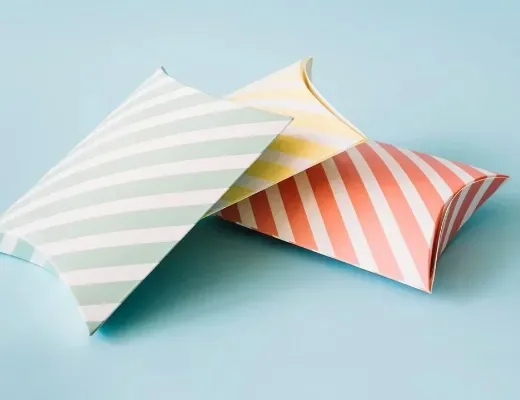
A curved pocket glued from a single die-cut, rounded at both ends.
Best forGifts, confectionery, jewellery
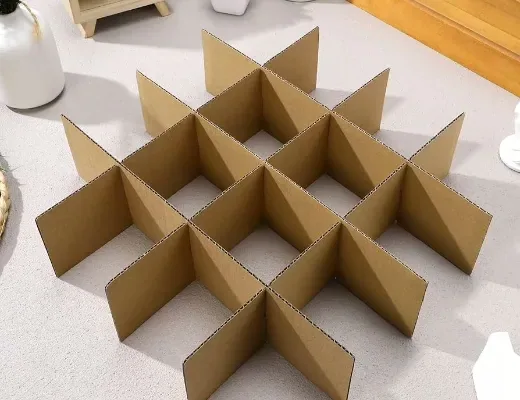
Corrugated cells stand between bottles and jars, taking the knock of glass against glass.
Best forBottles, jars, spirits, oils
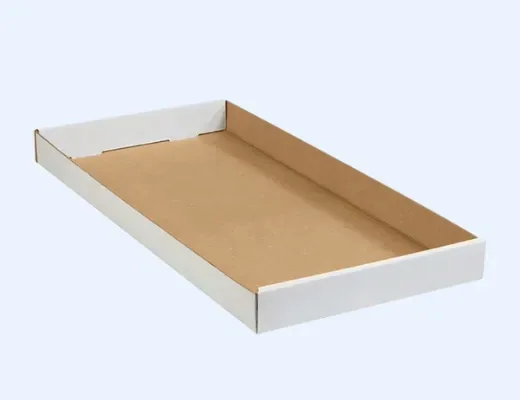
A shallow open tray that presents its contents as soon as the lid or sleeve comes off.
Best forSets, kits, subscription boxes
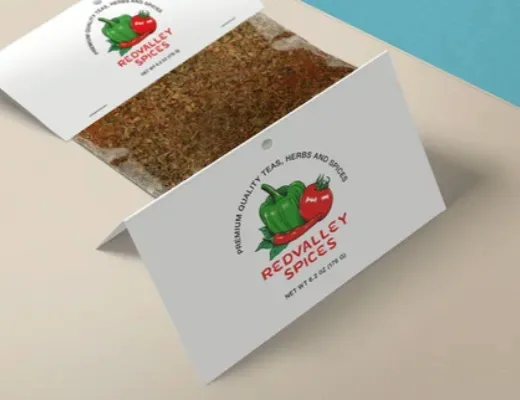
A printed card turns a plain bag or pouch into peg-ready retail, with no printed bag to order.
Best forBags and pouches on pegs
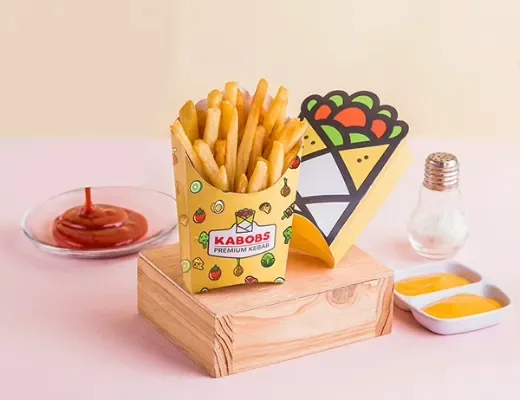
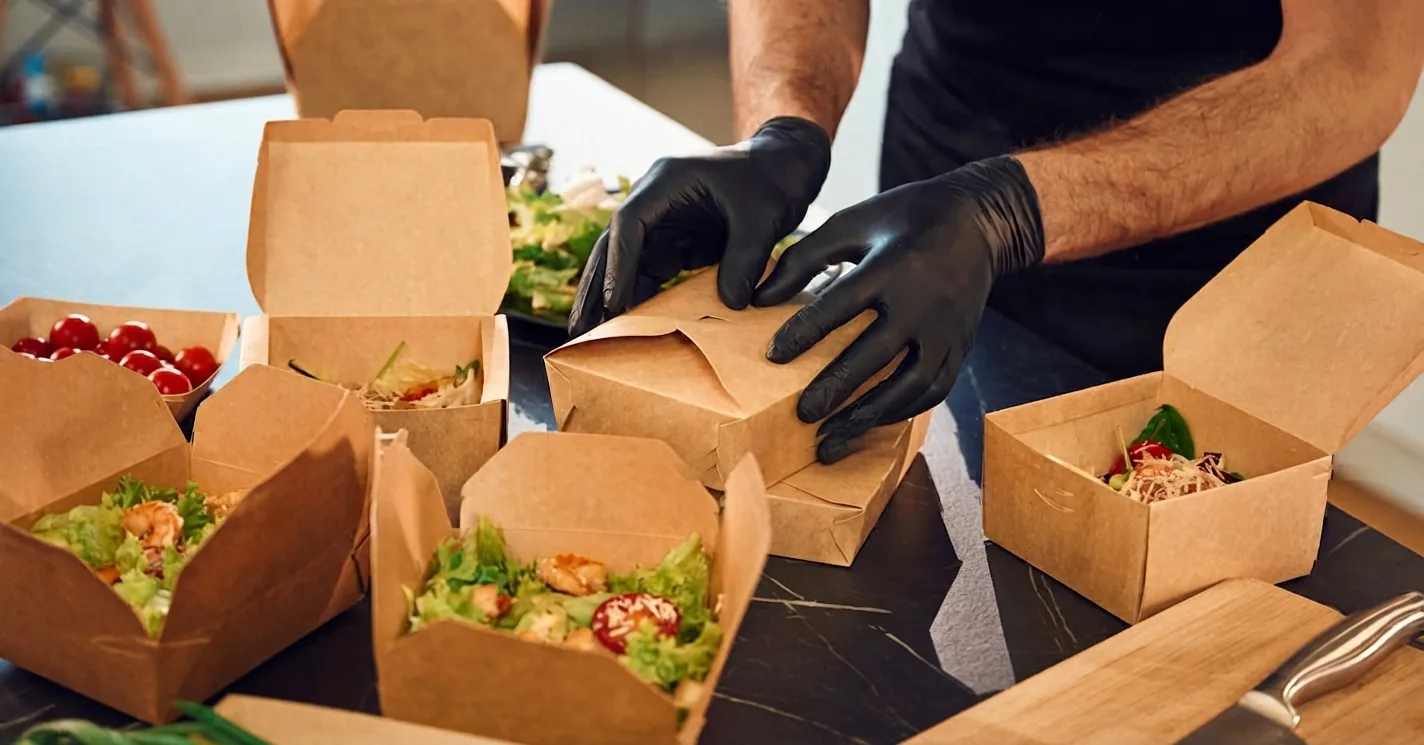
A tapered scoop a hand can hold and a mouth can eat from, greased and food-safe inside.
Best forStreet food, snacks, catering
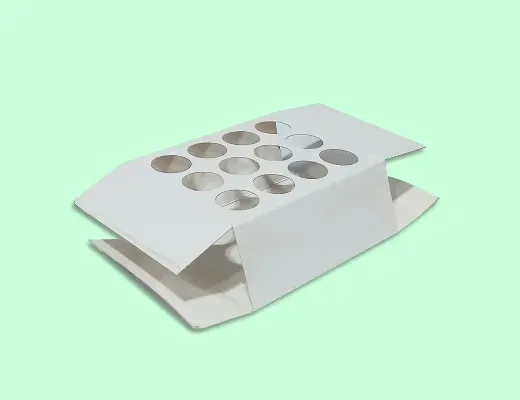
A slotted insert that holds each item upright and apart, a cell per unit.
Best forCandles, tubes, ampoules
Colour is held to a Pantone reference: a later reprint still sits beside the first run on the shelf.
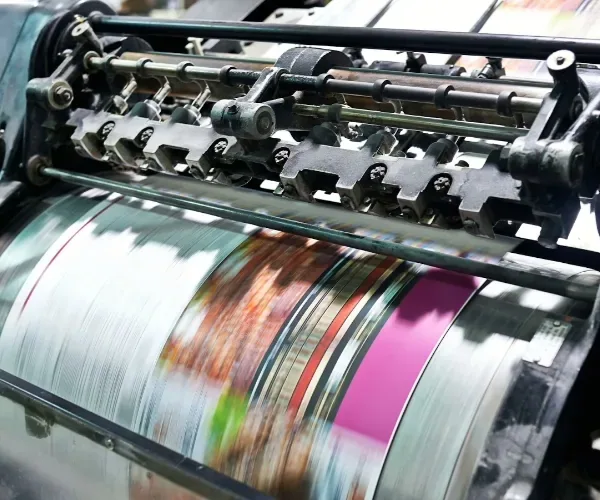
Sharp, vivid detail for larger runs, where fine type and gradients have to hold.
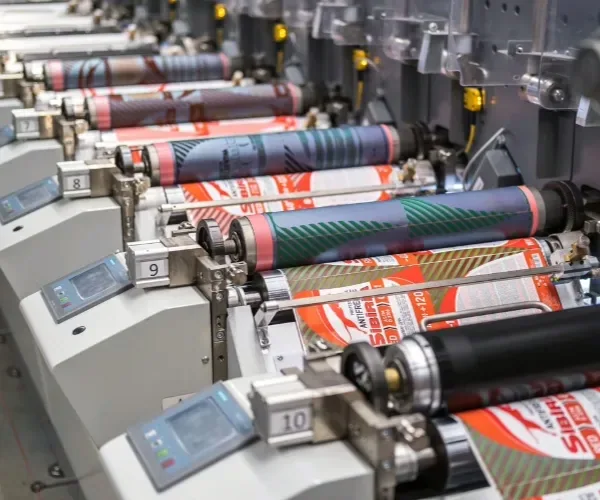
The economical route for simple artwork on corrugated, and for long runs.
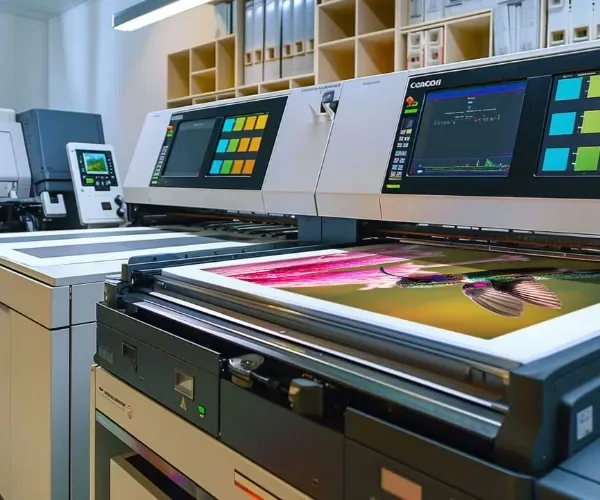
No plates and no setup — the fastest route to short or personalised batches.
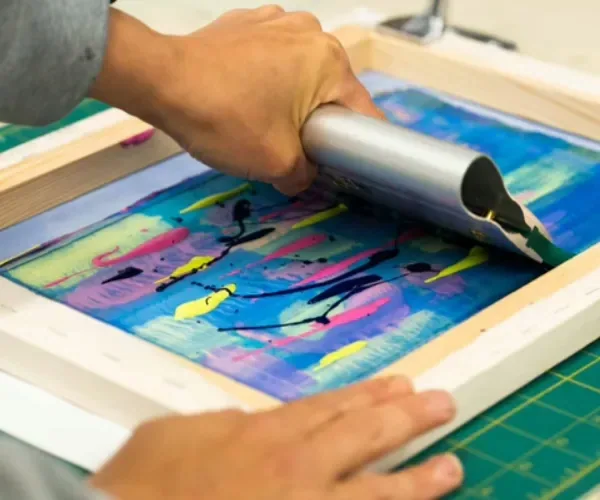
Thick ink with a tactile lift, for bold colour on specialty board.
Artwork can be prepared for you, and a sample run puts the first printed box in your hand before the order is placed.


A limited-edition series needed packaging that felt handmade and still survived a courier. The first sample arrived with the dieline tight, the foil sitting exactly on the mark, and board heavier than the spec sheet promised.
Nothing shifted inside on the way to the taproom. Four hundred cases were stacked, palletised and shipped without a crushed corner — something this brewery could not say before.
The same person handled the reorder from quote to delivery, and the dates never moved. A seasonal release can only be planned around a supplier that repeats itself.
Scaling up meant parcels that could take a sorting belt and still look worth photographing. The mailers that came back were rigid where it mattered and printed right to the edge.
Damage dropped once the flute and the insert changed. Fewer replacements, fewer refunds, and a returns pile that is now mostly size exchanges instead of crush claims.
The size variants were drawn as a system; each SKU folds to the same footprint and stacks without gaps in the warehouse.
Yes. A cut file and a 3D mockup are shared for sign-off before any board is cut, and the run follows the dieline that was approved.
Board grade, box size, print method, finish and run length set the unit price. Send the quantity and the artwork, and the quote itemises each line.
Yes. Inside print, a coloured liner and a printed insert are all available, and they show the moment the lid comes off.
Folding cartons and many rigid styles are delivered flat or knocked down, and a container carries far more than it would with assembled boxes.
Where the variance sits with us, the run is remade or the order credited. The approved sample is the reference for the whole batch.
Send a size, a product photo or finished artwork, and a structure recommendation comes back with the quote. Approve the sample, and the batch that ships is the one that was signed off.