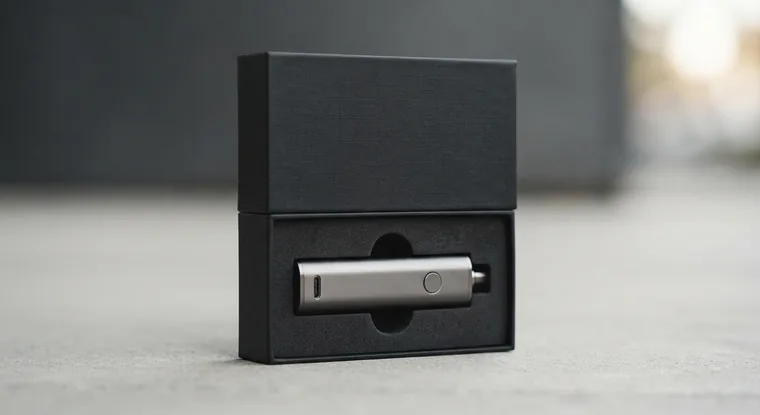
1
Single Host
cavity, and a groove for the cable
- Holds
- The mod, seated in a lined bed
- Ships
- Formed
- Not for
- A kit that arrives with a tank, a spare cell or a card

Mitigate shipping damage and transit friction with die-cut dense foam inserts, rigid box structures, and reliable 3–5 day sampling. Each part sits in a cut-out of its own, so nothing shifts in transit.
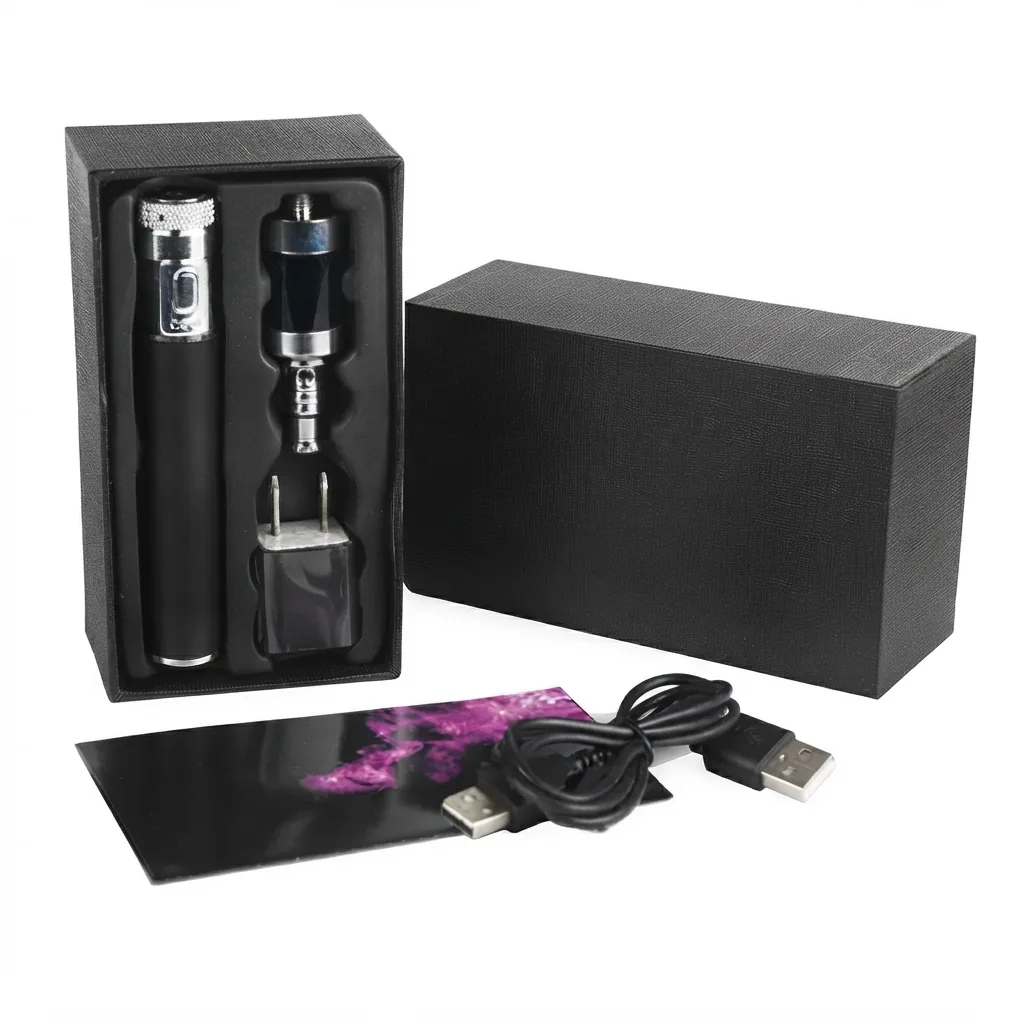
A kit box is defined by how many cavities its tray has, because that is the detail a brand cannot change later without a new die. Add an accessory and the tray is redrawn.
cavity, and a groove for the cable
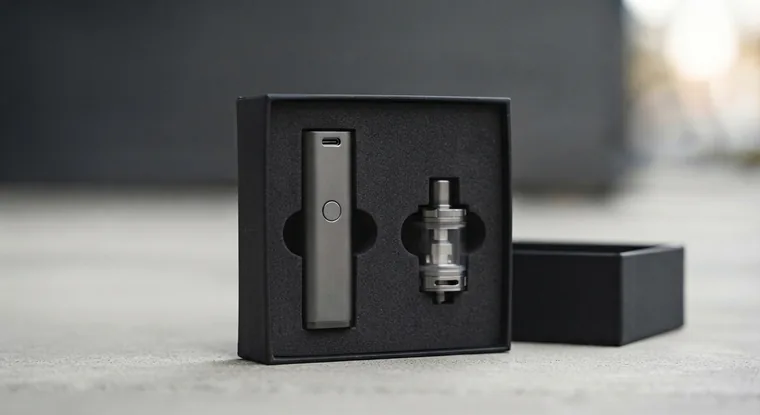
cells, side by side
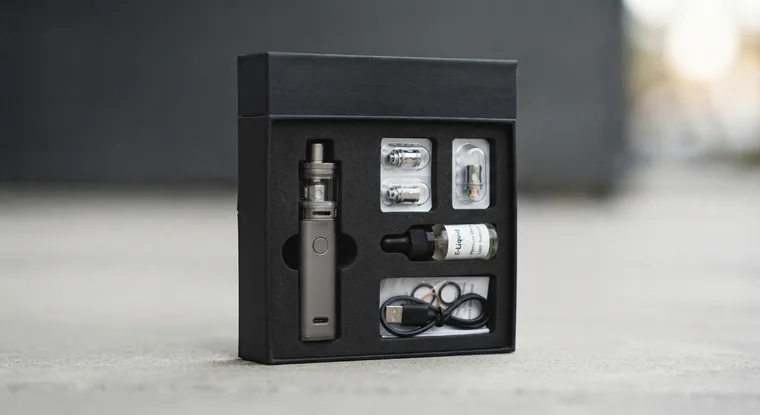
a seat for each, and room for the card
The headline names three layers, and they stack. A fault in any of them shows up as a mark on the device rather than the box, and each is drawn before the artwork is.
Wrapped greyboard, 1.5 to 2.5 mm, with the corners turned rather than cut. This is the layer that holds the lid square when a heavy mod sits inside it for a month in a warehouse.
Dense flocked EVA or pulp, cut on the same file as the box. The cavity is what stops the mod moving, so the lid closes on the tray rather than on the device.
A soft flock on the insert and the lid liner. The screen and the paint rest on fibre rather than board, and a reprint arrives with the finish signed on the sample.
Three measurements — the mod, the tank, the battery or cable — are enough to begin. The quote is then built on the cavity count that comes back.
Four parts, four jobs. Reading across, the left is the piece that goes in and the right is the clearance the tray owes it — the lines that get drawn before anything is printed.
Seated with the fire button in relief and the charge port reachable. A snug cell that presses the switch drains the battery before the box is opened.
Its own cell, standing clear of the host. A tank resting on a mod carries the weight of both, and glass that takes a knock on a shelf arrives cracked.
Isolated in a lined cell, terminals clear of any metal. A loose cell that bridges a contact in transit is the fault a retailer will not forgive twice.
A shallow bed cut to the folded cable beside them, and the lid closes flush instead of riding up on the accessories.
Three of the four hold a tray, and the fourth does not. Which structure you get is set by how heavy the kit is and the way the box should open, not by the budget.
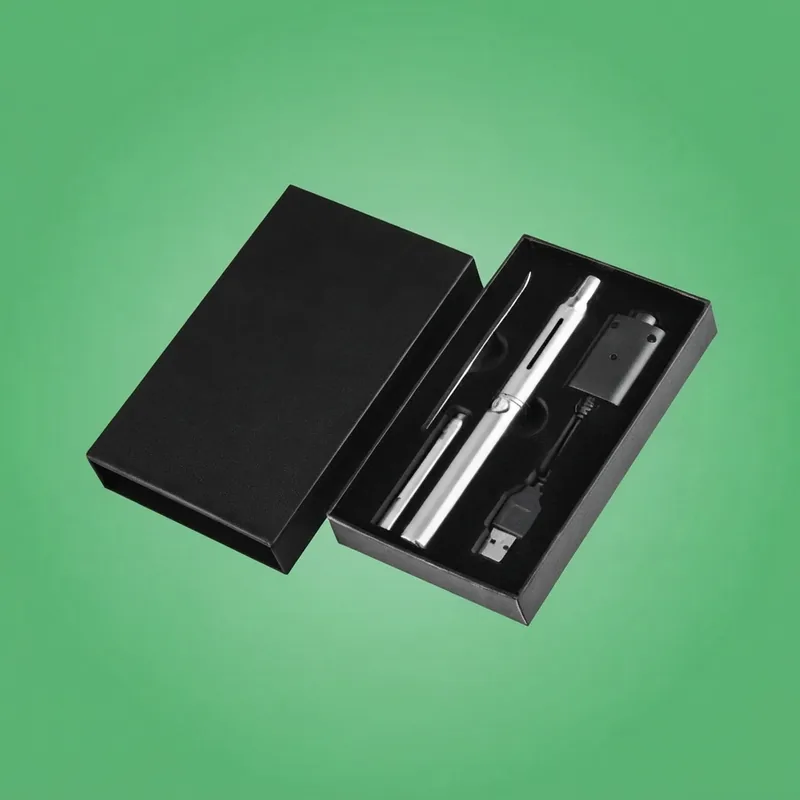
Its base is wrapped and its lid separate, which makes it the strongest of the four. The board thickens for the heaviest kit without changing how the box looks.
Heavy mods · retail sets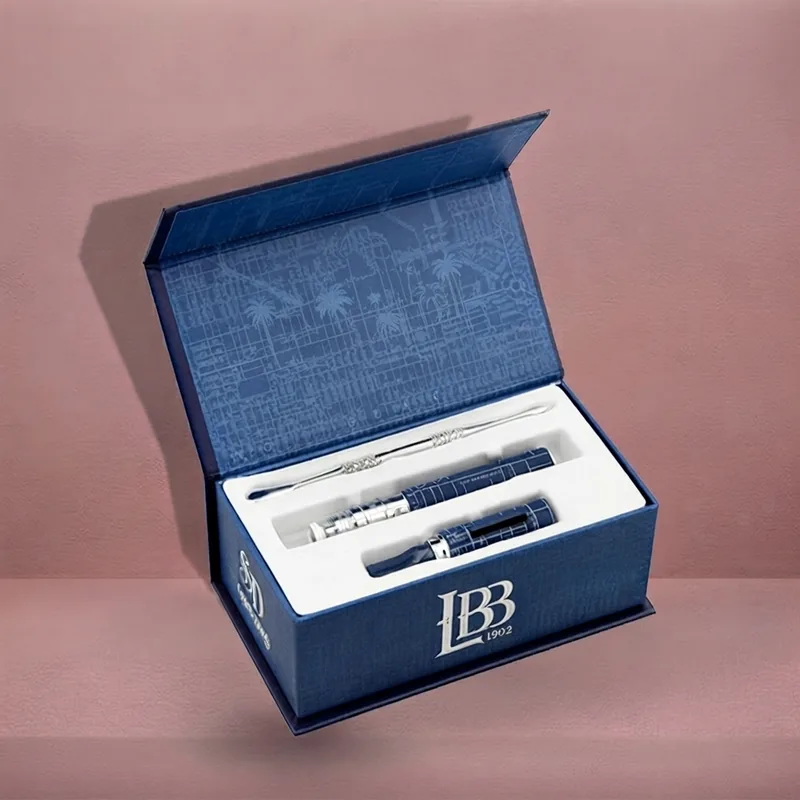
The lid swings open on a hinge and holds shut on two magnets. It lifts clear of the tray sitting in the base.
Single host · gifting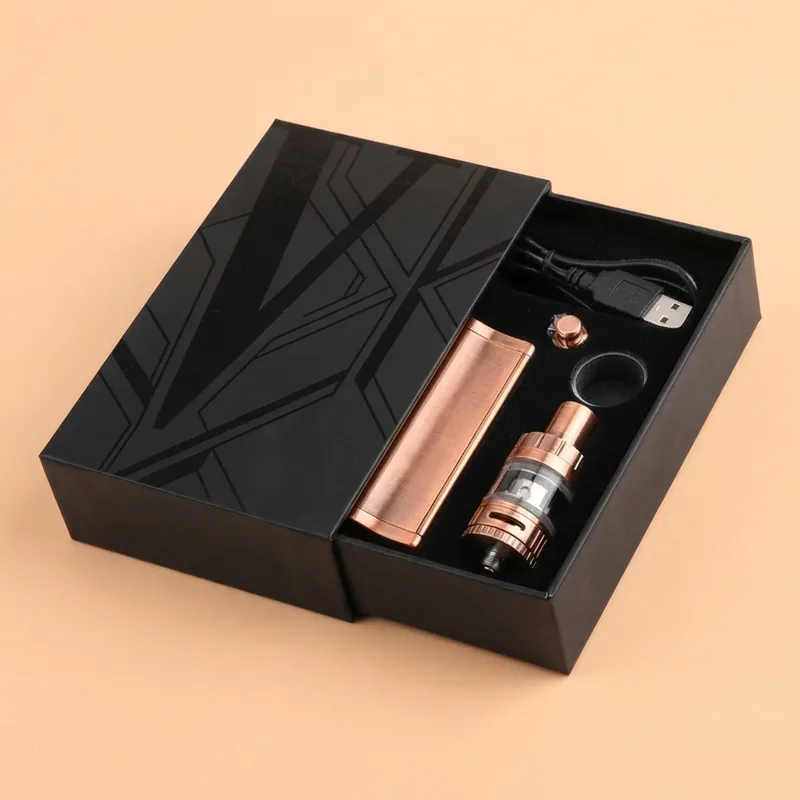
Slide the tray out of its sleeve on a ribbon or a finger pull. The kit is presented in the tray instead of lifted out of it.
Starter kits · full kits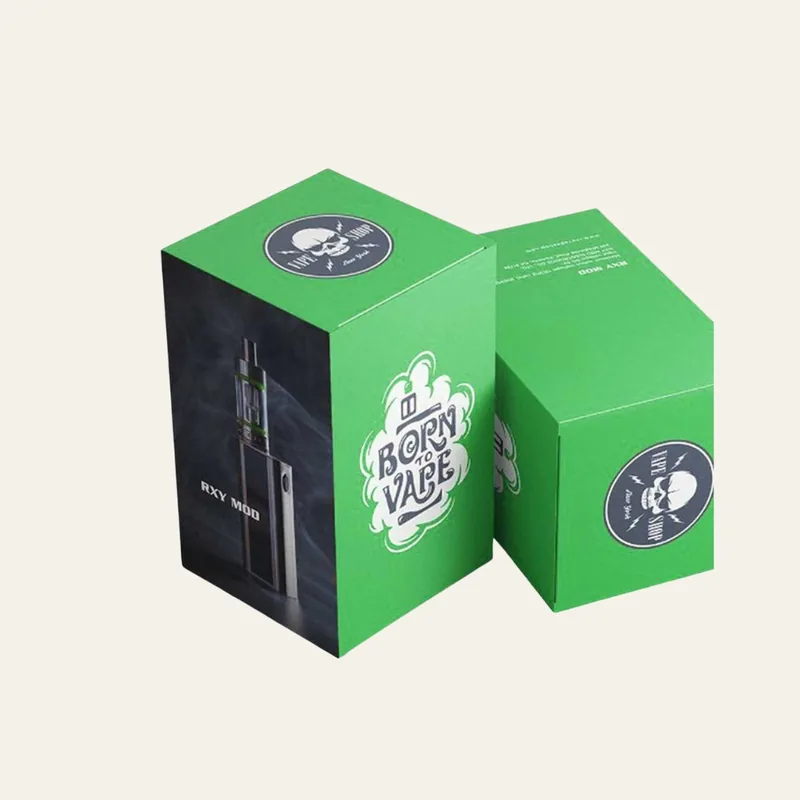
Folding board, printed and machine-glued, is the plainest of the four. Only for a light host with no tray — a heavy kit will not survive the fold in transit.
Light host onlyWeight is what separates a kit box from a pen box: it decides the board, the way the box ships and what the pallet costs.
A box mod is dead weight in a thin board. The lid is specified against the weight of the kit, and the corners stay square after a stack, not only after the first sample.
Rigid boxes with a built-in tray ship formed and loaded, because the tray is what sets the walls. Only the folding carton with no tray — a light host — travels flat.
The cavity is drawn to the parts rather than to a stock size. A box closer to the kit weighs less and stands smaller on a pallet, and the same file holds that saving run after run.
Six steps, and the first three are yours to measure. A change to the size of any part after step four is a new tray rather than an edit, which is why the count is settled first.
The mod, the tank and the battery or cable, measured or in the post. Those three set the cavities on the tray.
Whether the tray seats a part or four, the count is settled before the artwork, because it decides the die.
Flocked EVA for a soft-touch seat, or moulded pulp for a large recycled run. A die per cavity count.
A single file cuts the tray and the shell, and the first dieline reaches you inside 24 hours.
First a white dummy in 3 to 5 days to pack the real kit, then a printed dummy in 7 to 10 days to fix the color.
Once the dummy is signed, the line runs the batch and the file is kept for the next order.
Our first run came back with the mods loose in the tray. The cavity had been cut 1.8 mm too deep, and the body sat low and rattled under the lid. We sent the measurement back, and the second die held the mod the way the sample had.
Reorders go in on the file we signed. 6 colorways have run on the same tray without a new tool, and that is why the same kit keeps coming back to the same supplier.
What we check first is the lid. A stack of 40 boxes in the warehouse has to keep its corner, and the board specified for the weight of the mod has held that shape all winter.
The tray is cut around the fire button and the charge port, with 3 mm of relief over the switch. The mod drops in, the port lines up, and our packing line noticed it on the first run without being told.
We launched with 5 kits, and each sat in a cavity drawn for its own parts, because a host alone and a full set with a spare cell need different boxes.
Freight is the number I watch. Keeping each cavity tight to the kit cut roughly 25 % off the carton volume we used to send, and the damage claims we were logging have stopped.
500 units. A mixed order of a lid-and-base box and a drawer counts against the same 500, so a first run can test two structures at once.
Four to six weeks from the signed printed dummy, covering printing, die-cutting and gluing. The window is quoted with the sample rather than after the order.
Yes, from a drawing with the mod, tank and battery dimensions plus the button and port positions. A white dummy then proves the fit, and the first printed tray is cut only once that dummy packs the real kit.
Yes, on request, and it travels with the sample. The structure is drawn first, then put through the test the report covers, so a buyer reads the result rather than a claim.
You supply the words and the logo, and every panel is drawn here to the size your market prints at. A Pantone chip sets the color, and the proof is signed before the printed dummy is cut.
The file stays on our shelf, so the tenth run of a kit arrives with the cavity, the clearance over the button and the color unchanged.