 01
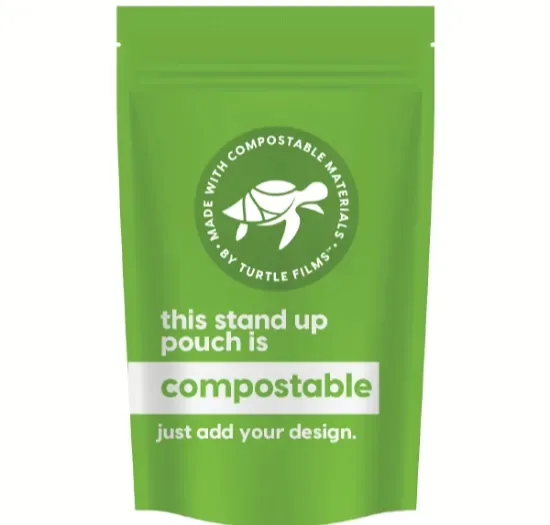
Stand-Up Pouches
The default pick for snacks, coffee and granola.

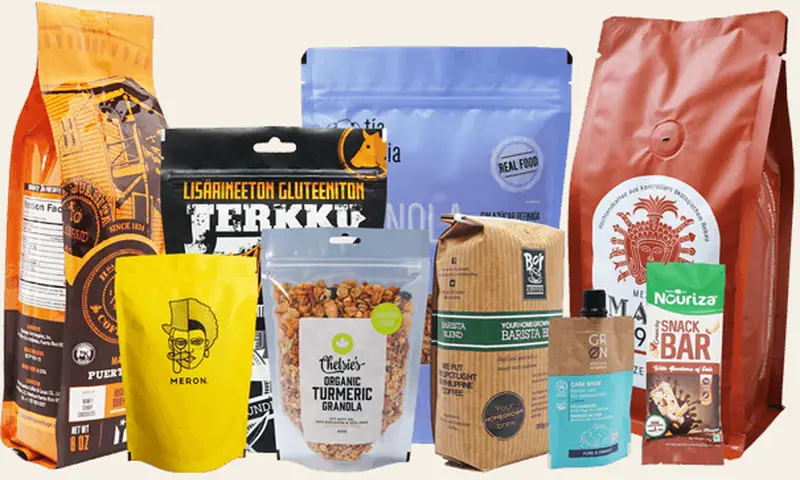
Work with a custom pouches manufacturer on recyclable mono-material films with full supply-chain traceability, designed to support EU PPWR compliance for retail packaging. Printed samples come back in 7–10 days and the run takes 10–20.



Each construction answers a different shelf question — does it stand, does it reseal, does it pour, or does the silhouette carry the brand on its own.
01The default pick for snacks, coffee and granola.
 02
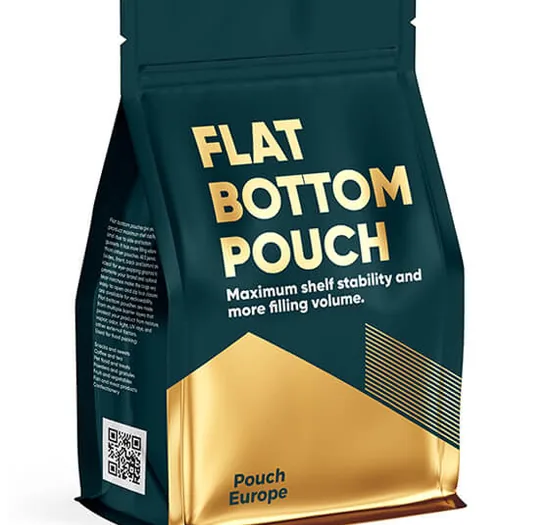
Faces the shopper square-on for tea and premium dry goods.
 03
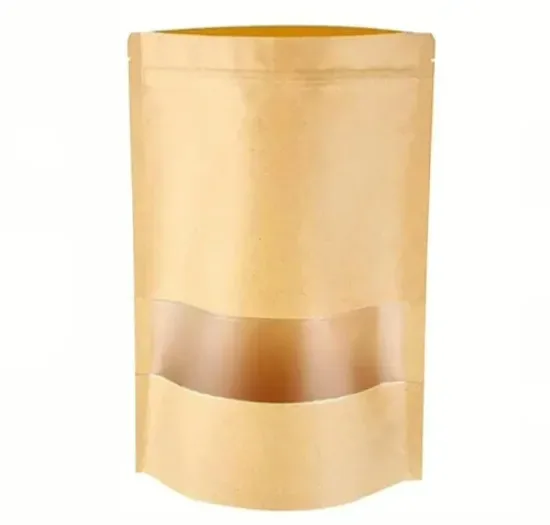
Keeps coffee, nuts and dried fruit fresh between openings.
 04
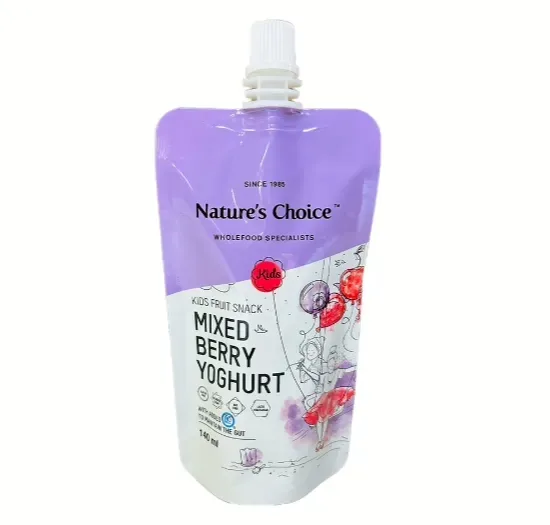
Pours sauces, juices and liquids without a funnel.
 05
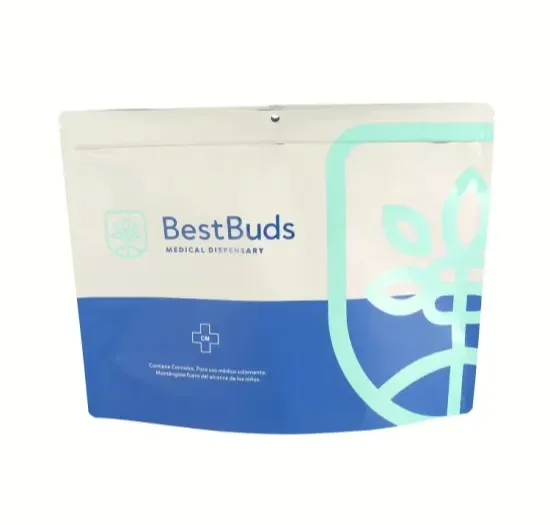
Keeps supplements, concentrates and cleaners out of small hands.
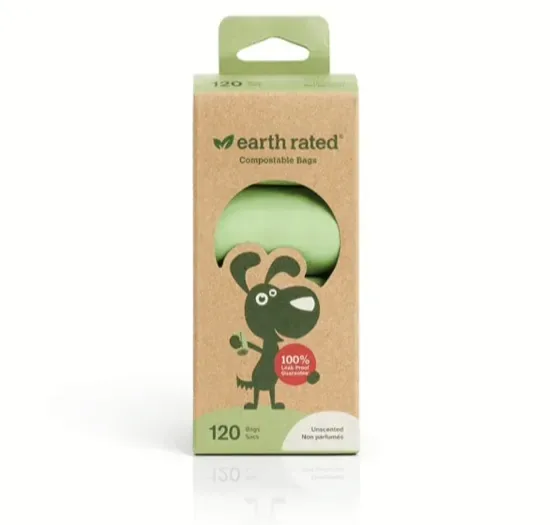 06
Suits organic food, tea and wellness lines making a sustainability claim.
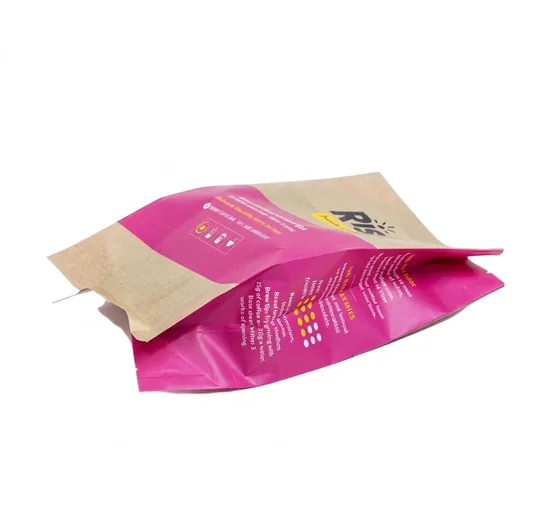 07
Adds usable volume for bulk dry goods and sample sets.
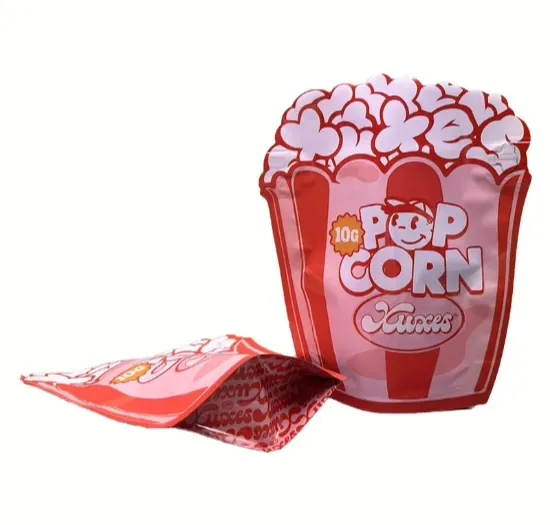 08
Carries gift sets, promos and seasonal runs where the silhouette sells.
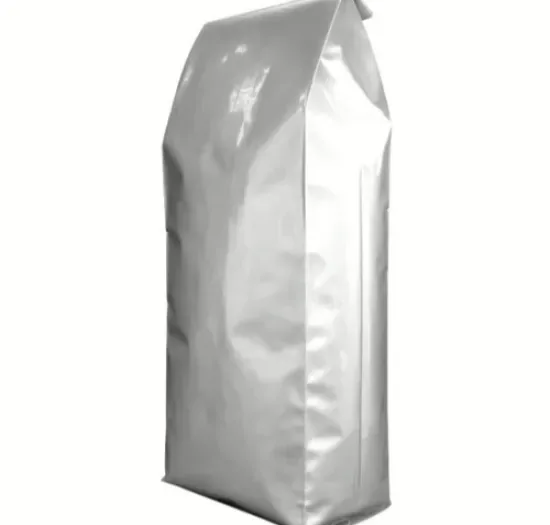 09
Protects coffee, powders and technical goods through a long shelf life.
Bring a sketch, a silhouette or the product itself — the die is quoted alongside the first run.
Every pouch is the same handful of layers and the same four seals. What gets specified is which of these six details are built into yours — and each is a line on the quote.
An optional euro slot punched through the header, letting the pouch hang on a pegboard rail instead of standing on a shelf.
A notch cut into both edges just above the zipper. The first open is a straight line across the pouch rather than a torn corner.
A micro-textured grip that closes under thumb pressure. The profile is chosen for the fill — fine powders need a wider track than beans.
A one-way valve that lets a fresh roast release carbon dioxide without letting oxygen back in. The pouch settles instead of ballooning.
Wide, even seals on every edge, tested in-line. A weak seal is the one failure a pouch cannot hide — a leak shows up as a soft pouch, not a visible tear.
The fold that decides whether a pouch stands up. Its depth sets the fill volume and the shelf footprint together.
Tell us the product and the number of months it needs to last. The barrier, the closure and the structure come back as a single recommendation instead of a menu to guess from.
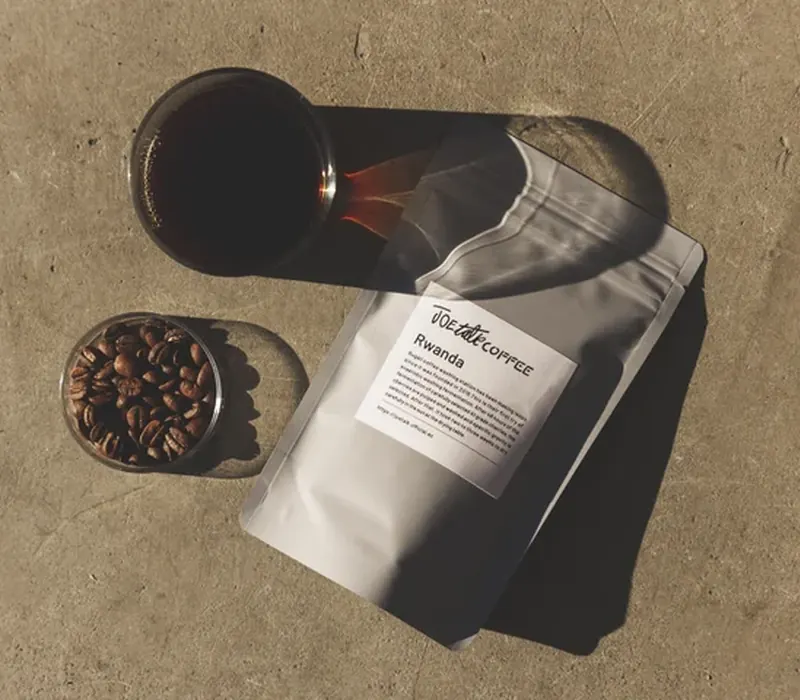
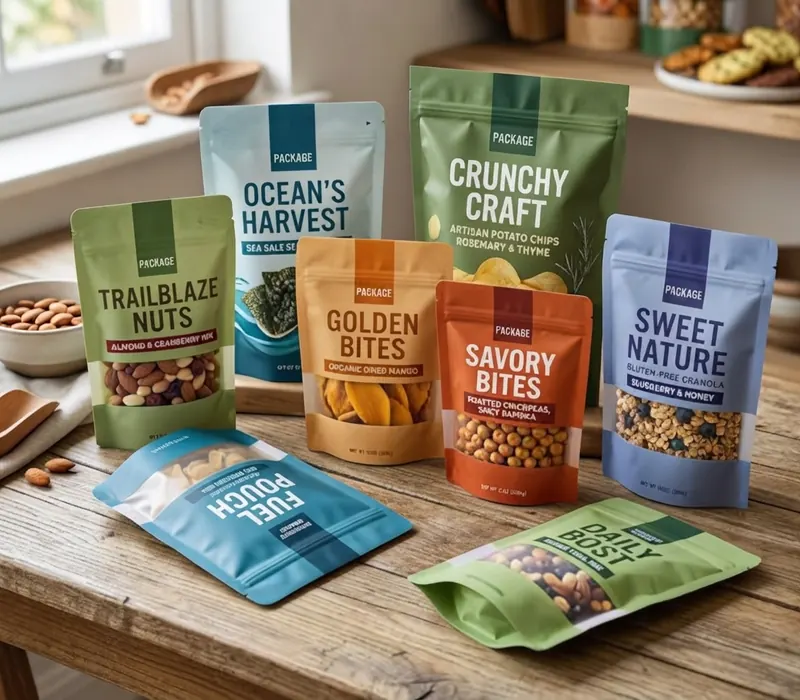
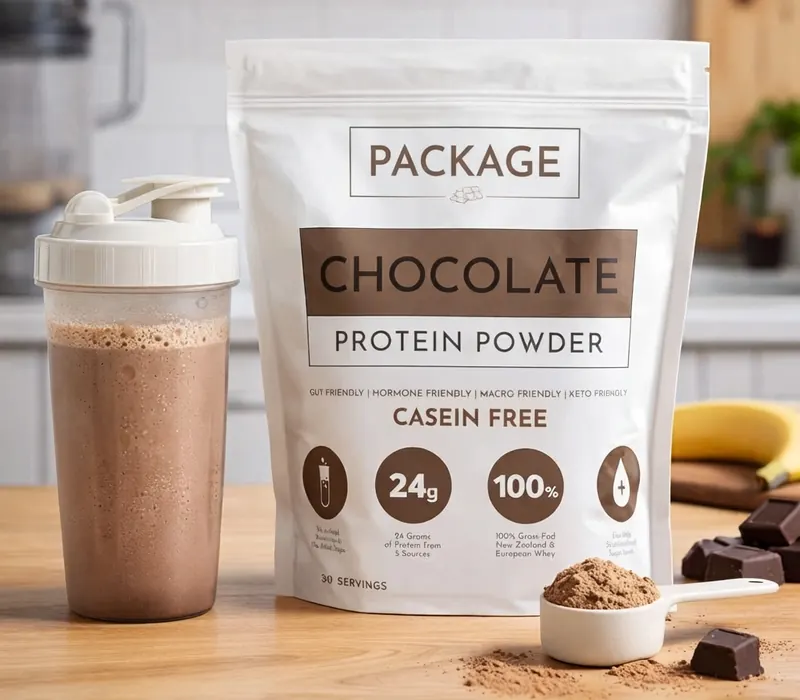
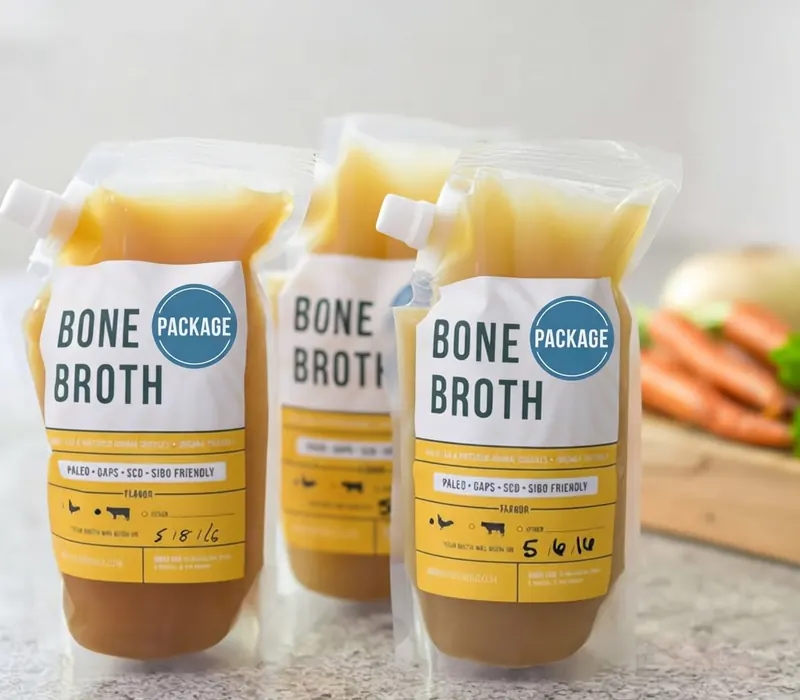
The same 250 g of coffee fills any of these. What changes is how much film goes in, whether it stands by itself, and how much of it the shelf can see.
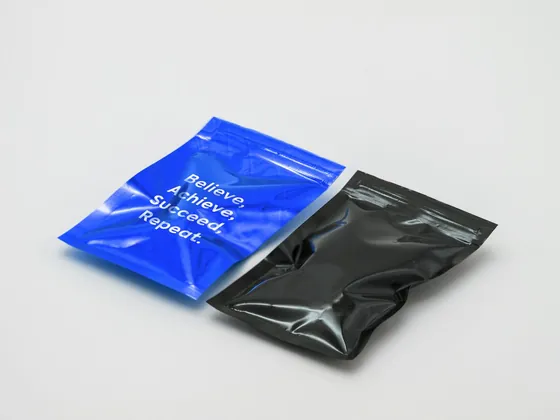 01
Two film panels, sealed on four edges
Front and back, joined on four edges. The least film per pouch, the largest uninterrupted print area, and the lowest carton weight per unit.
Choose it whenIt is a refill, or it ships inside an outer carton anyway
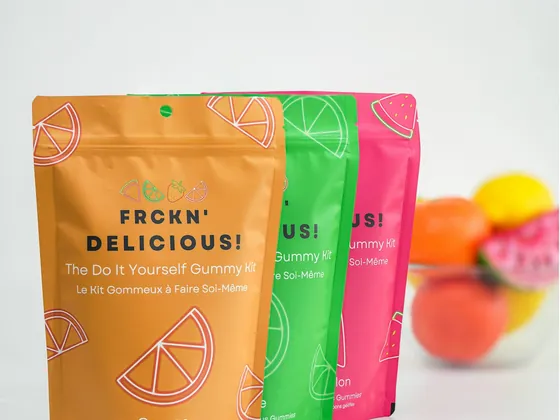 02
Two panels plus a folded bottom gusset
The gusset unfolds into a base and the pouch stands unaided, keeping its shape as the contents settle.
Choose it whenThe pouch has to sell itself off a shelf
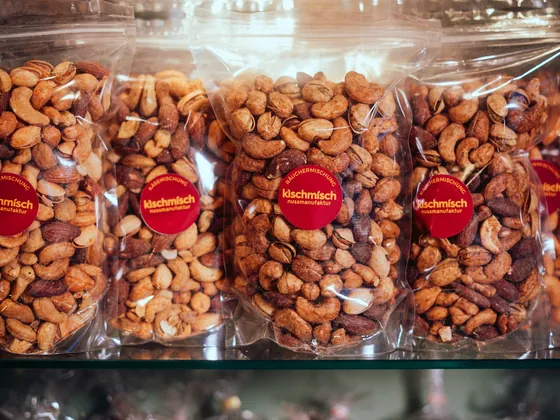 03
Two panels, two side gussets and a base
Two side gussets plus a base lift usable capacity 30–50% on an unchanged footprint, and give the pouch four more printable faces.
Choose it whenThe fill is bulky and the shelf width is fixed
These are the dimensions that go out with most first quotes — enough to see the shape of the answer before you send anything. Yours gets drawn around the product and its fill line.
| Fill weight | Pouch style | External size | Gusset | Typical structure |
|---|---|---|---|---|
| 50 g | Flat pouch | 90 × 140 mm | — | PET / PE |
| 100 g | Stand-up | 120 × 190 mm | 30 mm | PET / PE |
| 250 gMost quoted | Stand-up | 160 × 240 mm | 45 mm | PET / EVOH / PE |
| 500 gMost quoted | Stand-up | 190 × 290 mm | 60 mm | PET / EVOH / PE |
| 1 kg | Side-gusseted stand-up | 240 × 350 mm | 90 mm | PET / foil / PE |
| 5 kg | Flat bottom | 350 × 500 mm | 120 mm | PET / foil / PE |
Figures assume a free-flowing dry product at ordinary bulk density. Powders, liquids, irregular shapes and multi-packs are drawn individually, because a fill line moves with how a product settles.
Five stages, each with a deliverable you can hold, and no stage released until the stage before it is signed off.
A reference pouch, a photograph or a dimensioned sketch is enough to open the quote. The print cylinder cost is shown separately from the unit price, and the two can be weighed against each other.
Drawn around the fill weight, sent as a layered vector PDF that artwork drops straight into. A 3D mockup comes back within 24 hours of the brief.
A printed, sealed and filled pouch arrives by courier. The zipper is felt, the seal is squeezed and the Pantone is checked in daylight rather than on a screen.
The run goes across the press and the laminator. Incoming film is checked on arrival, seals are tested in-line, and finished pouches are pulled for AQL inspection before packing.
Pre-made pouches ship in cartons. Where the pouches are filled on a form-fill-seal line, printed roll stock ships instead, wound to the core diameter that machine takes. FOB, CIF or DDP, named on the quote.
Each of these blocks something different — light, oxygen, moisture or grease — and that is what decides which one a fill gets.
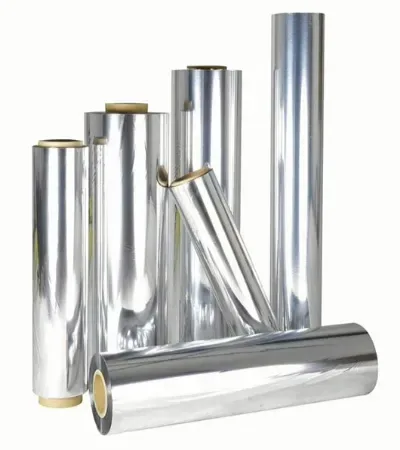
High clarity and tensile strength with a good barrier against gases and moisture. It is the printed outer layer on most pouches we run.
Goes toSnack food, hardware, cosmetics
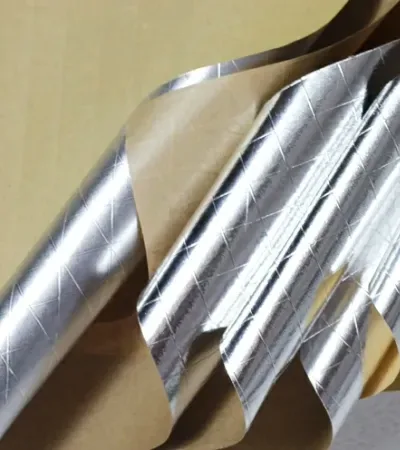
Kraft’s matte, natural surface over a thin foil layer. The foil does the barrier work; the kraft does the talking.
Goes toPremium coffee, gourmet food, technical goods
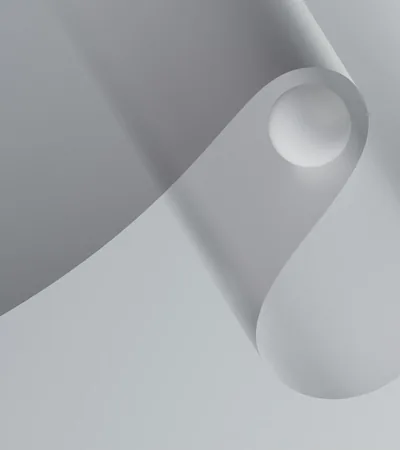
An oxygen barrier with no metal in it, so the pouch stays see-through. The alternative when a full foil layer is more barrier than the fill calls for.
Goes toFresh food, snacks, anything that has to show through
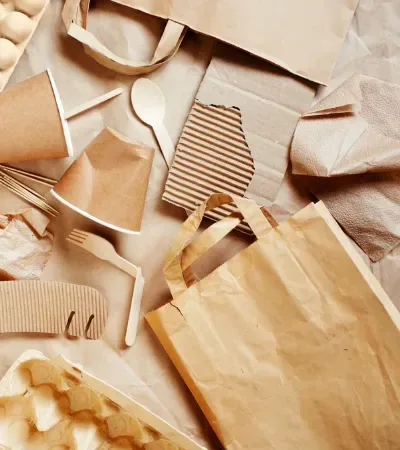
A film made from plant stock rather than oil, engineered to break down in a garden bin and not only in an industrial one.
Goes toOrganic food, tea, artisanal goods
Three decisions taken in order, and the three that decide whether a run repeats cleanly: which press runs the job, which face the ink sits on, and how the colors are mixed.
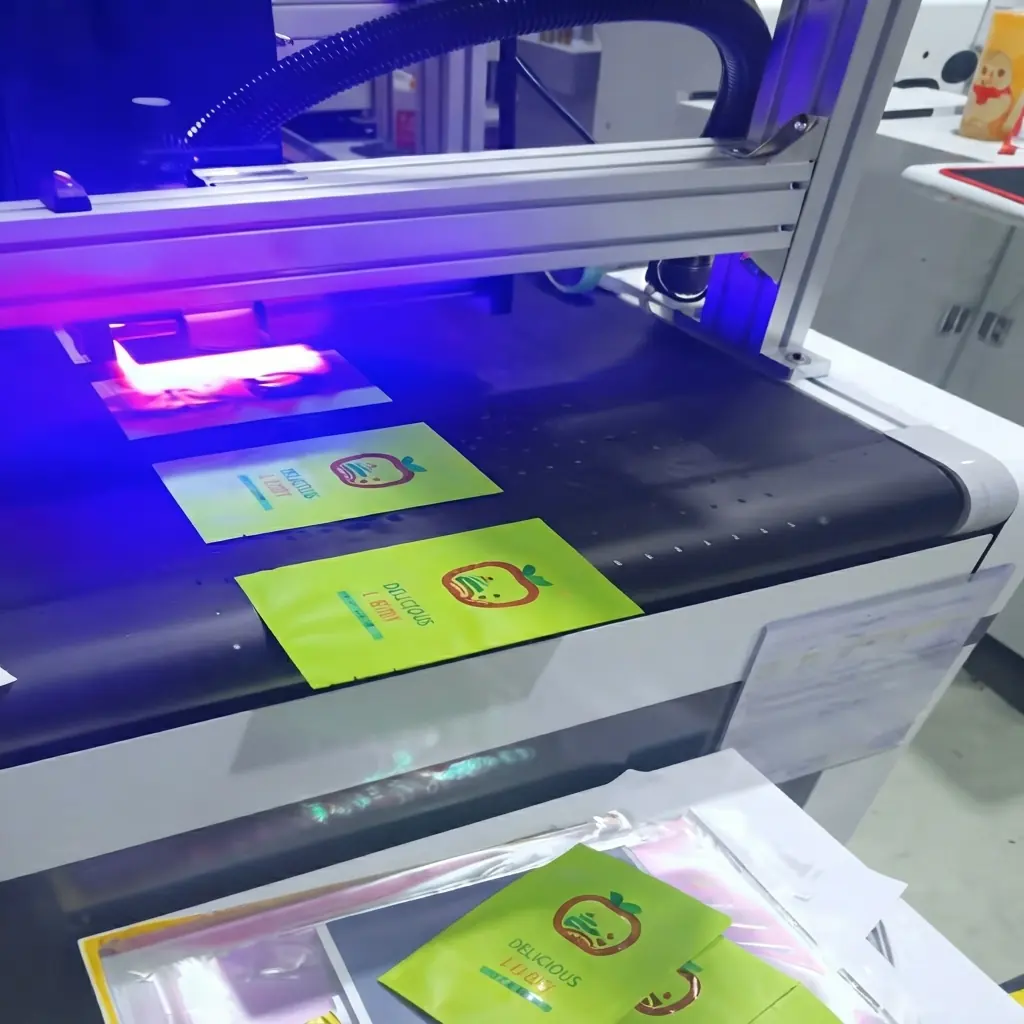
Ink laid from a plate on a cylinder. The cheapest route once the artwork stops changing and the run is long.
No plate and no cylinder — the file goes straight to the press. For short runs and artwork that changes between orders.
Ink pushed through a mesh and laid on thick, for a solid or a metallic that has to cover completely.
A pouch wall is four layers. Which one the ink goes into is the whole difference between these two.
Ink under the film. It cannot scuff, and it never reaches the product.
Ink on top of the film — the brightest result, and the most exposed to handling.
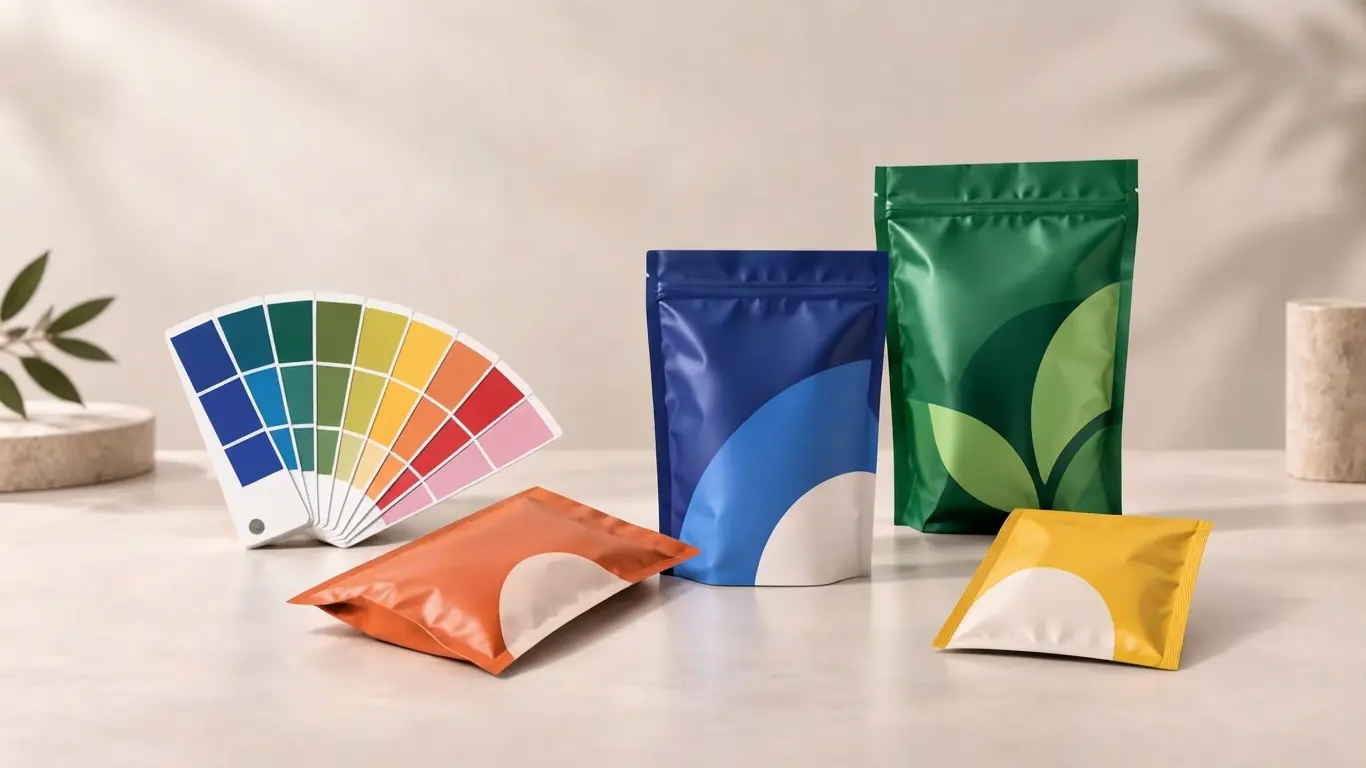
A single ink mixed to a Pantone reference per color, so a brand color repeats exactly on the next run. It is the default on every pouch we quote, and the reason a reprint matches the run already in the market.
The print decides what a pouch says. The finish decides how it reads across a shop floor, and what it feels like in the hand.
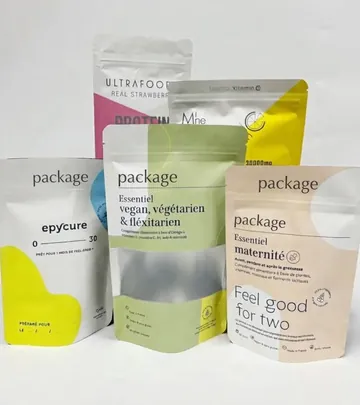
A flat, non-reflective surface that keeps fine type readable straight under shop lighting.
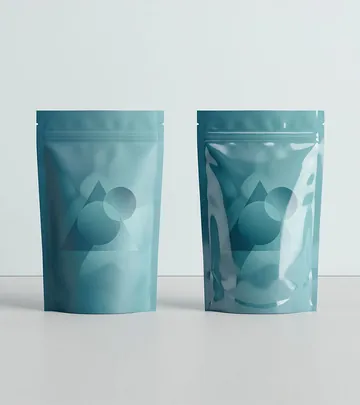
High contrast and depth. The default when the artwork is photographic.
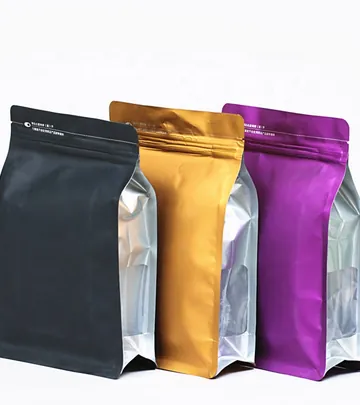
A metallized layer or a hot-foil stamp for a mirror finish on a logo or a single band.
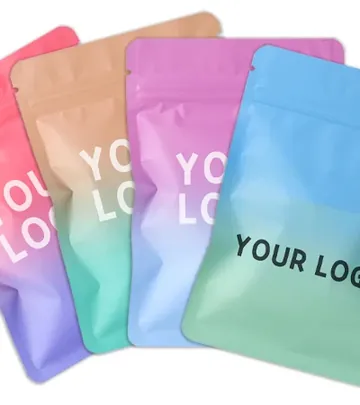
A velvet-matte laminate. It changes how the pouch reads in the hand before the label is read.
Four decisions set what a pouch costs, and all four are made before a purchase order exists. The panel under each is the advice we would give.
A barrier layer more than the fill needs is the most common way a pouch quote grows.
Our recommendationSpecify the lightest structure that holds the shelf life you need — and name the layer doing the work.
Cylinder tooling is a fixed cost. Folded into the per-pouch price, it never comes down.
Our recommendationQuote the cylinder and the dieline on their own line, so a repeat order shows the drop.
The Pantone is agreed at the proof stage, ahead of the cylinder being cut.
Our recommendationSign the Pantone off at the proof, before the cylinder is cut.
A pouch can travel flat, wound on a roll, or packed into the same carton as another item.
Our recommendationQuote freight per route, not per order.
A supplement brand and a pet food brand. Different fills, different barriers, and the reviews below are theirs.
The pouches are moisture-proof and oxidation-resistant, with accurate color printing. We worked with Leeline Packaging for custom supplement pouches, and they delivered in just two weeks.
As repeat customers, we’re consistently impressed by their exceptional service.
The film and the print were settled before production, which is what made the two-week turnaround possible.
 Emily RodriguezProcurement Supervisor, VitalFit Supplements Inc.
The eco-friendly materials and practical zipper design make them ideal for retail display. Leeline Packaging’s custom pouches have been a game-changer for our pet food brand.
Communication was seamless, and their quality control is outstanding. A reliable custom package partner.
We judge a pouch on the shelf rather than in transit — the print, the closure, and how the pouch stands.
 David PatelProduct Development Director, PawPal Pet Foods
Five questions the sections above do not already answer.
Send a sample. The film is measured for thickness and layer count, the gusset and the seal width are taken off the pack itself, and the dieline is drawn from that rather than from a written description. A printed sample comes back to compare side by side before anything is committed.
Mono-material structures — an all-PE or an all-PP pouch — are the ones aligned with the direction PPWR sets for packaging. Laminates that combine PET, foil and PE are not, which is why the film call is made with the destination market in mind. Tell us where the pack will be sold and the structure is proposed against that rule.
Yes, as part of the artwork rather than as a label applied afterwards. A code is printed to the same tolerance as the rest of the design, and where the code changes between batches the print file is versioned so an outdated file cannot reach the press.
A deposit against the print cylinders, then the balance against the shipping documents, by T/T. The printed sample sits ahead of both as its own smaller milestone, so the bulk run is never released against an unapproved proof.
The approved sample is the reference and it stays on file. A batch that measures outside it is stopped before packing rather than shipped, and the pouches are remade or the film reprinted — nothing leaves until it matches what was signed off.
Send the product, the pack size and how long it has to stay fresh. The structure, the cylinder cost and the price come back together.