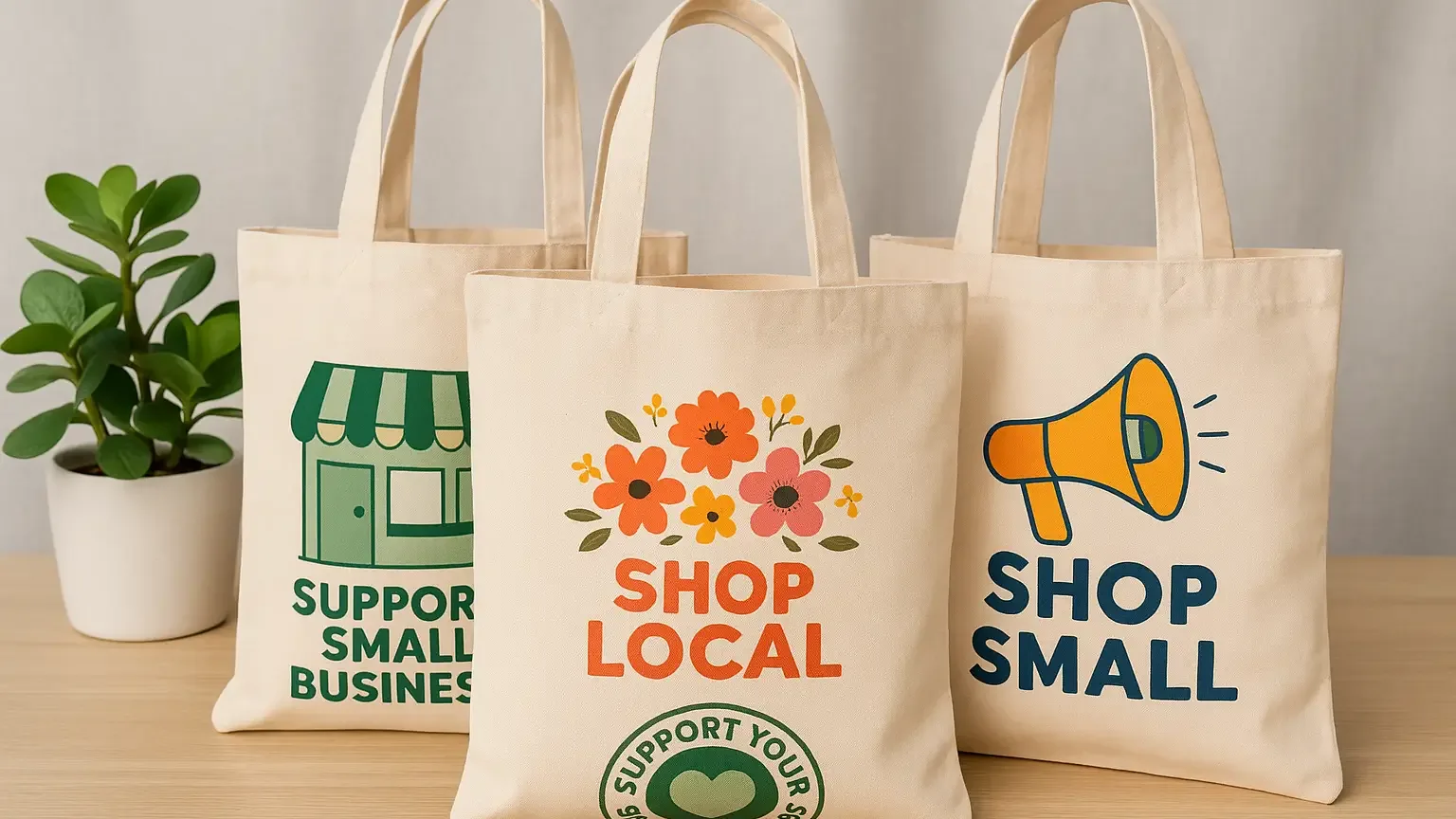
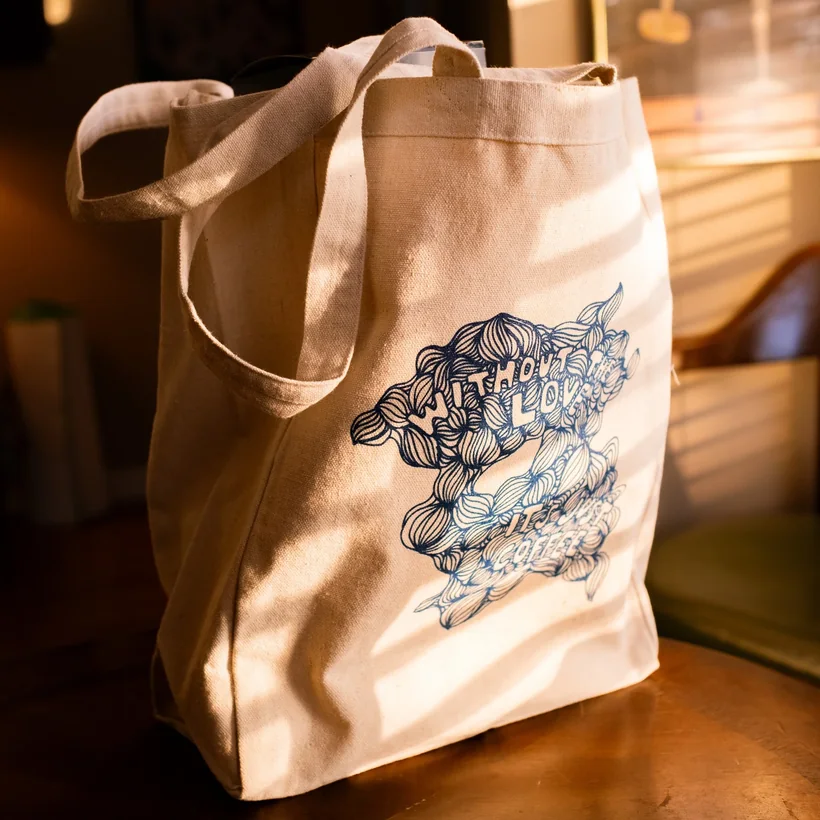
 01
12 oz cotton canvas
The everyday carrier: a flat base and ring handles that keep a full shop steady on the walk home.

Work with an ISO 9001 custom tote bags manufacturer on 7-stitch-per-inch seams and 0.2% defect-rate controls — so handles stay put, the bag keeps its shape, and it is still in use long after the campaign ends.
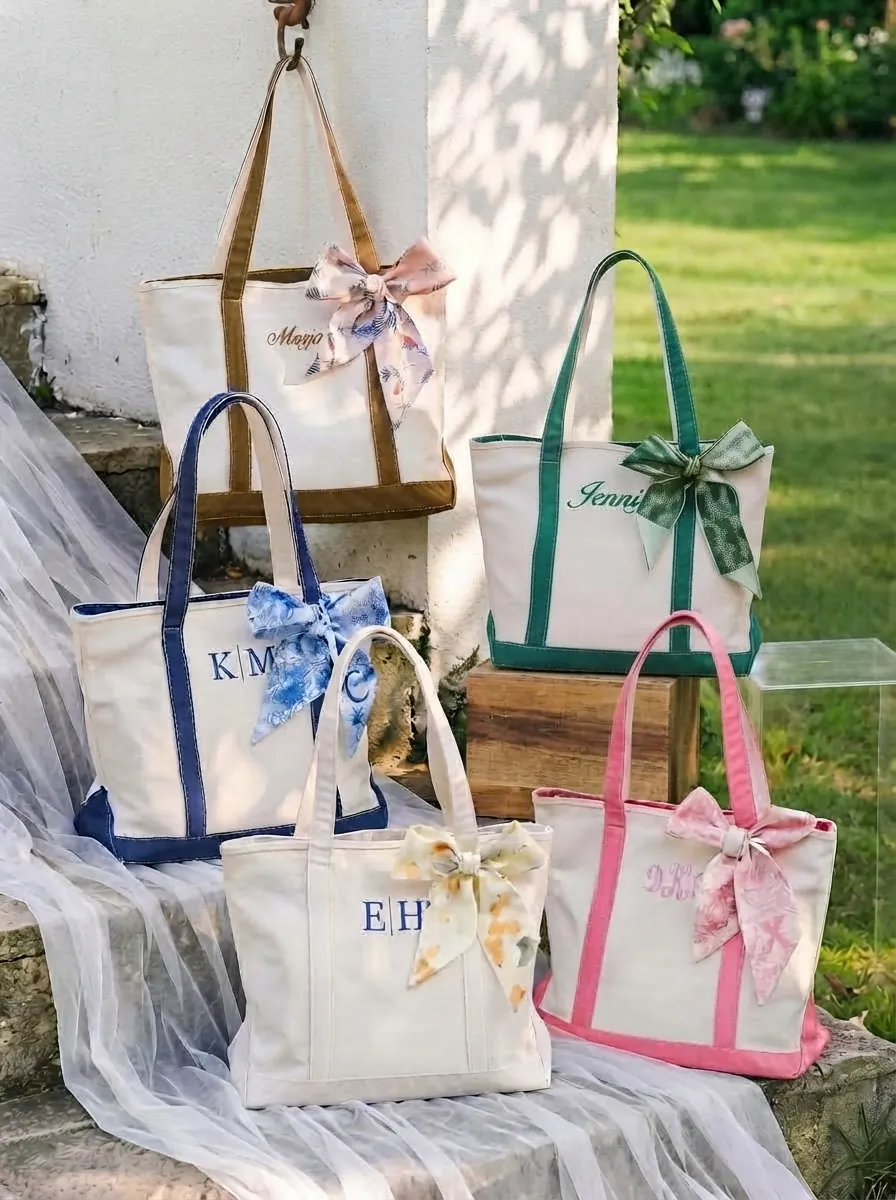
Every shape here answers a different question about weight, distance and where the bag is handed over.
01The everyday carrier: a flat base and ring handles that keep a full shop steady on the walk home.
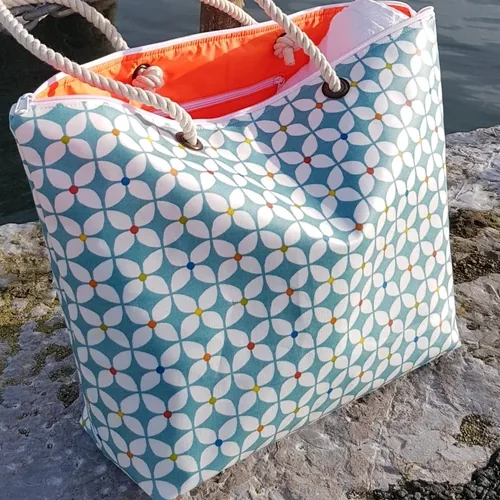 02
Wipe-clean sides that shed sand at the door instead of carrying it into the car.
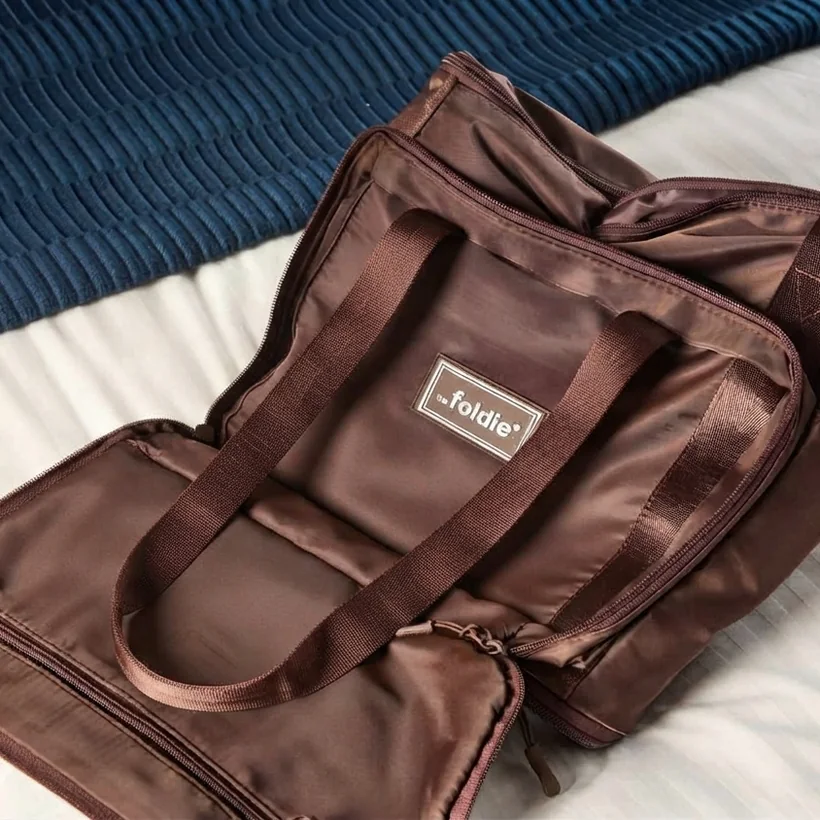 03
Lives in a suitcase pocket, then takes a week of shopping at the other end.
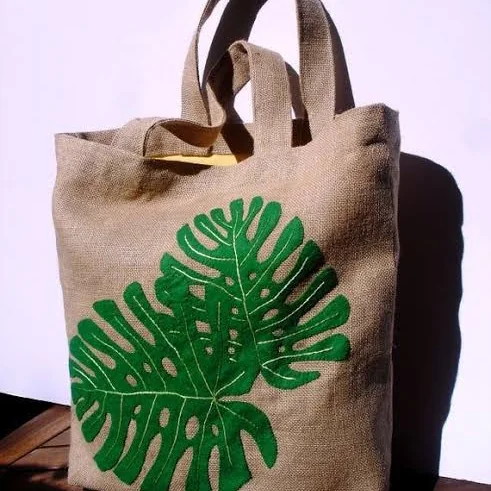 04
A natural fibre tote that carries the sustainability claim on its own, printed in a single colour.
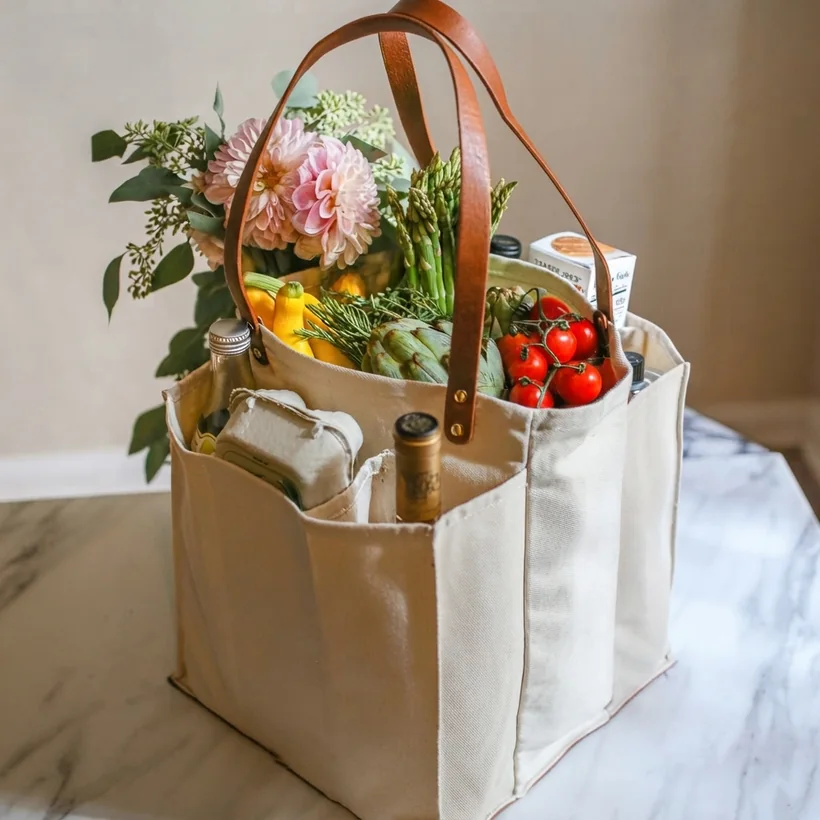 05
Six bottles in one bag, with no glass resting against glass.
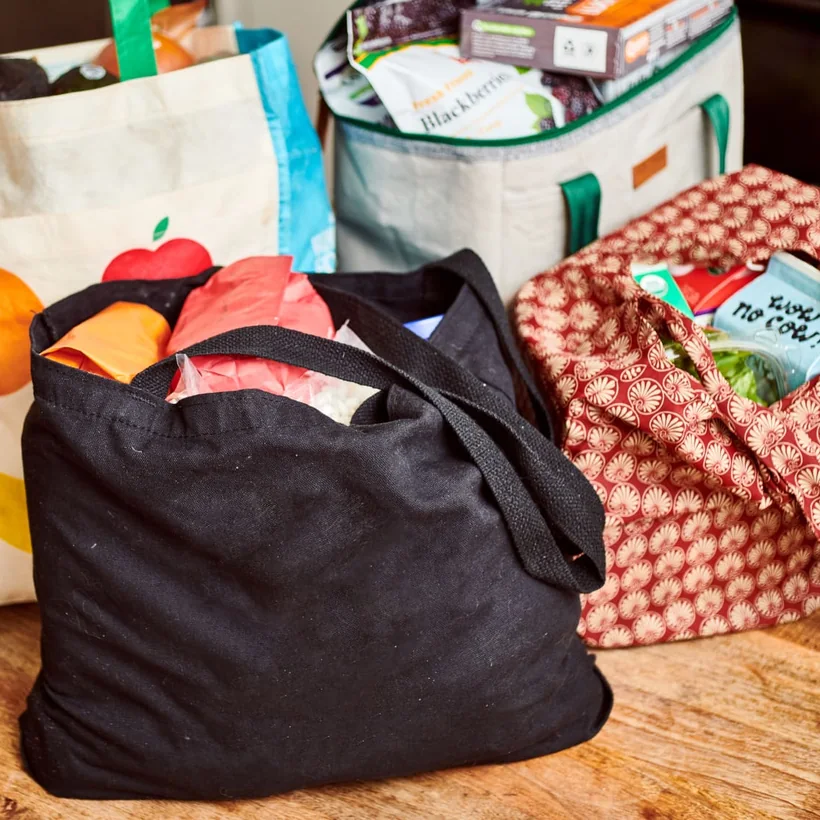 06
The bag that retires the carrier-bag stack under the kitchen sink.
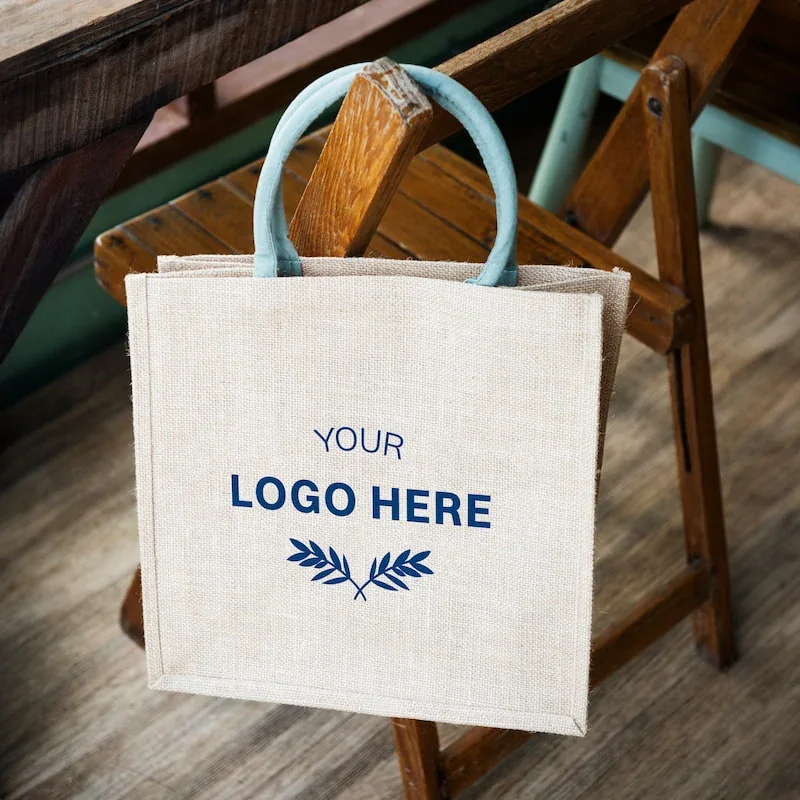 07
Cheap enough to hand out by the thousand, sturdy enough to be kept.
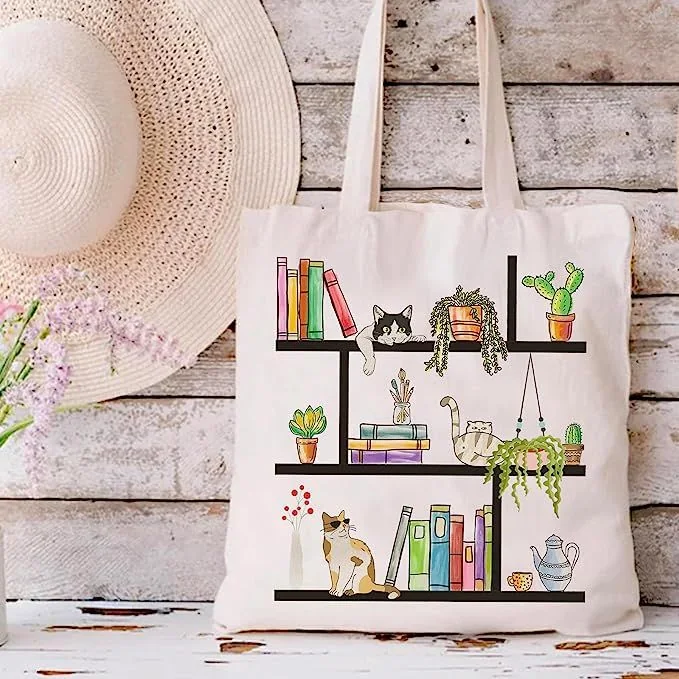 08
A full-bleed design with no blank border, so the tote reads as part of the range rather than a giveaway.
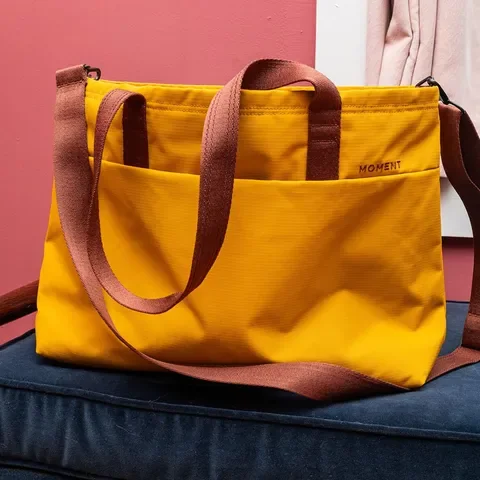 09
A padded sleeve inside a bag the team will still carry after hours.
Bring us the item and the setting it gets handed out in. A 3D mockup comes back in 24 hours, and the size and the fabric are settled before a single price is discussed — while the shape is still free to change.
Weight, print route, recycled content and relative cost on a single table — the fabric gets picked on the numbers the quote will be built from.
| Fabric | Weight · oz / gsm | Print route | Recycled content | Relative cost | Chosen when |
|---|---|---|---|---|---|
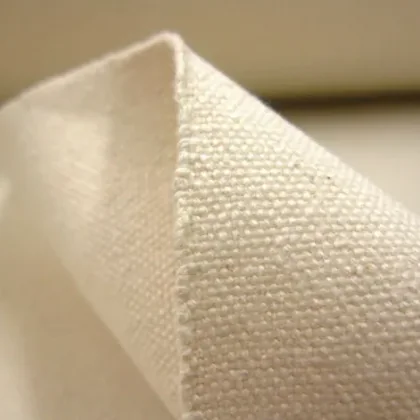 | 10–16 oz340–540 gsm | Screen print | GOTS organic on request | The default for a tote that has to still look right after a year of use. | |
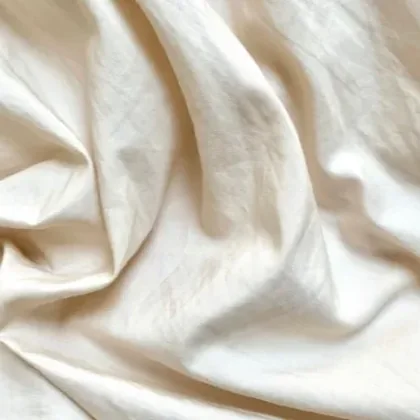 | 3.5–5.3 oz120–180 gsm | Screen print | GOTS organic on request | Light enough to fold into a coat pocket and soft from the first carry. | |
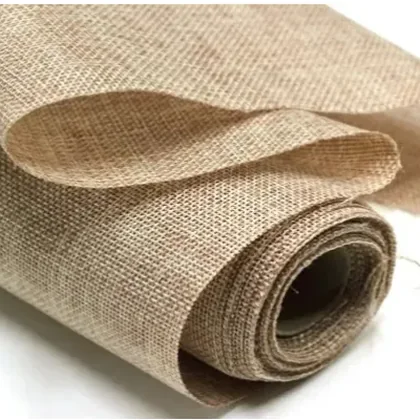 | 8–10 oz280–340 gsm | Screen print | 100% natural, biodegradable | Reads as sustainable in a photograph, and stands upright on a shelf. | |
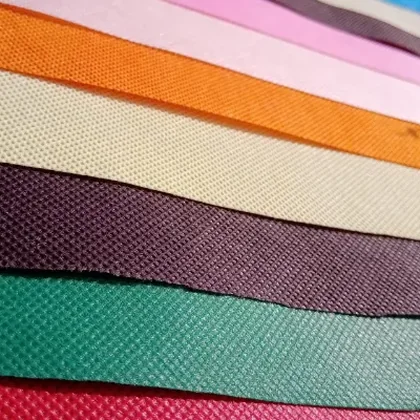 | 2.4–3.5 oz80–120 gsm | Heat transfer | Recyclable, resin code 5 | The fabric chosen when unit price decides and the run runs into thousands. | |
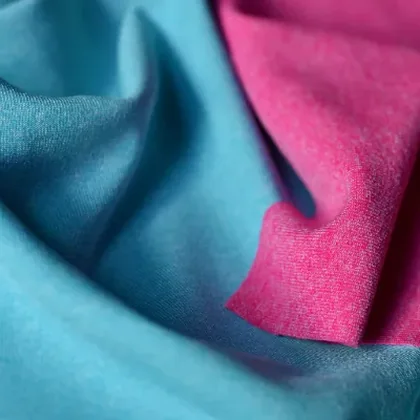 | 5.9–8.3 oz200–280 gsm | Heat transfer | GRS-certified recycled | Recycled content with the certificate a CSR report asks to see. | |
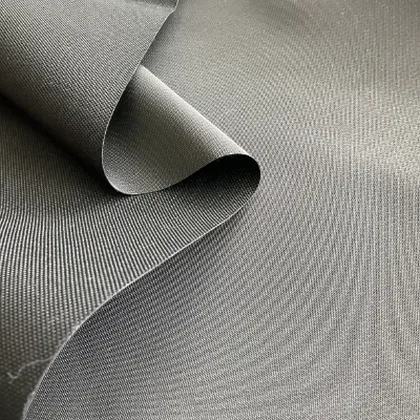 | 210D–420D≈ 100–200 gsm | Heat transfer | Water-resistant, recyclable | The fabric that still looks new after a wet commute. |
Relative cost is a scale against the six fabrics above, not a price. Print routes carry their own minimum once the fabric is fixed. Every weight is given in both ounces per square yard and grams per square metre, so the column reads straight down; the nylon figure is converted from the denier the mills sell it by.
The build changes with whoever hands the bag over. These are the six briefs that come back most often, and what each settles on.
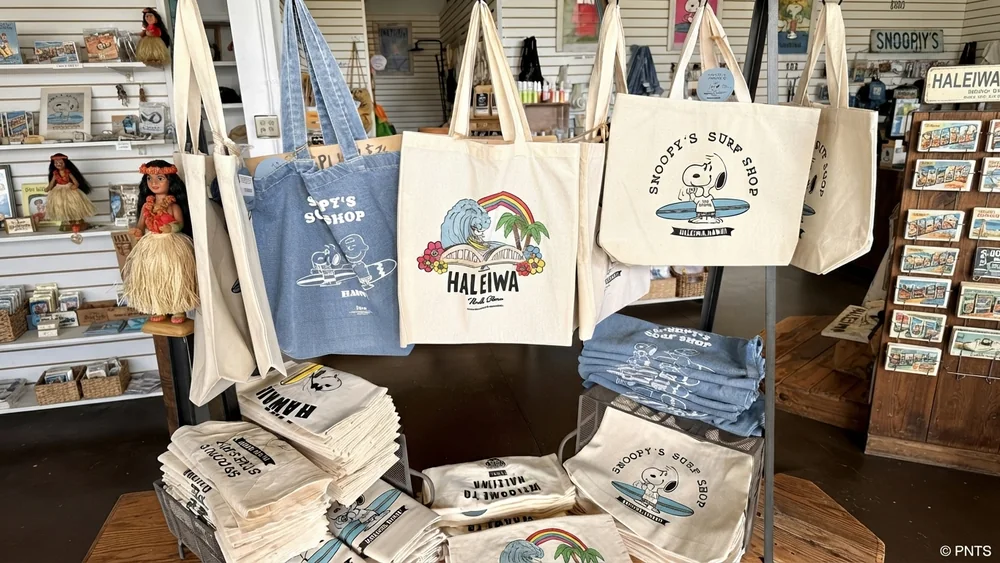
A bag carried open down a high street, where the branding has to read from a few paces away.
16 oz canvas · Screen print · 30 × 38 × 10 cm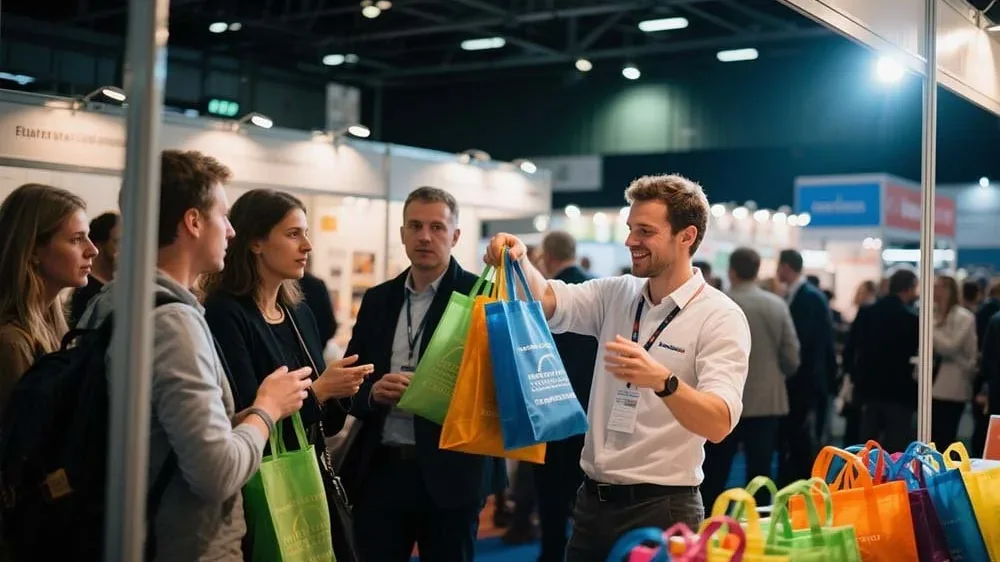
Reach the most hands for the budget, against a date that cannot move.
90 gsm nonwoven · Heat transfer · 35 × 41 × 12 cm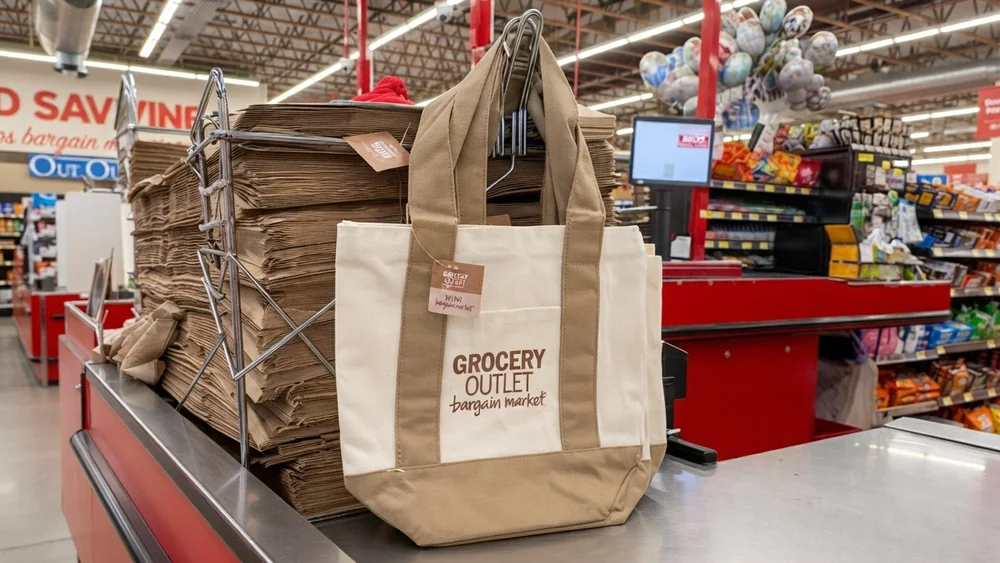
Load first: what goes in is heavy, so the base is cut wide and the gusset opens square.
100 gsm nonwoven · Screen print · 40 × 30 × 10 cm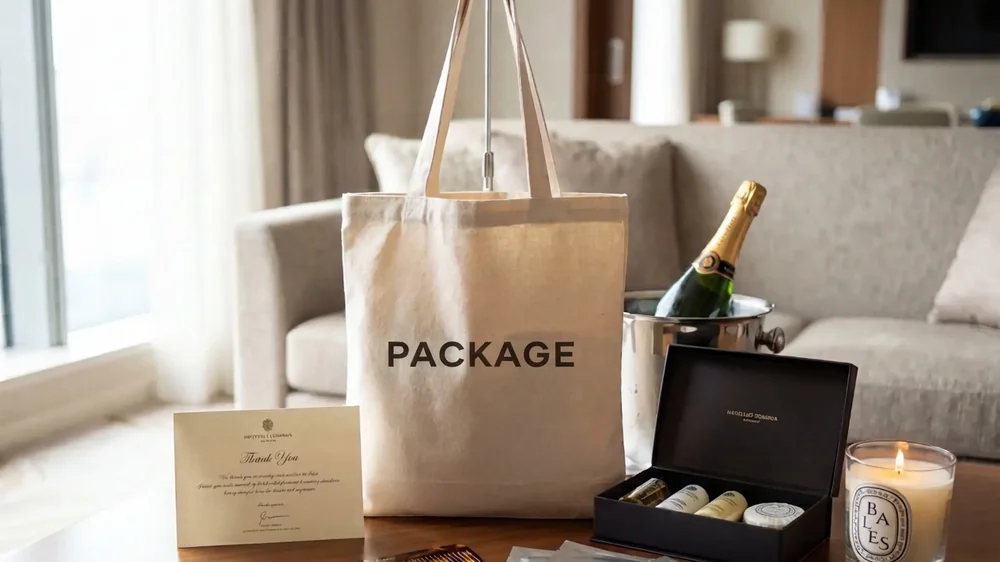
A welcome gift guests keep, which means it has to look like the property and not the promotion.
300 gsm jute · Screen print · 25 × 35 × 10 cm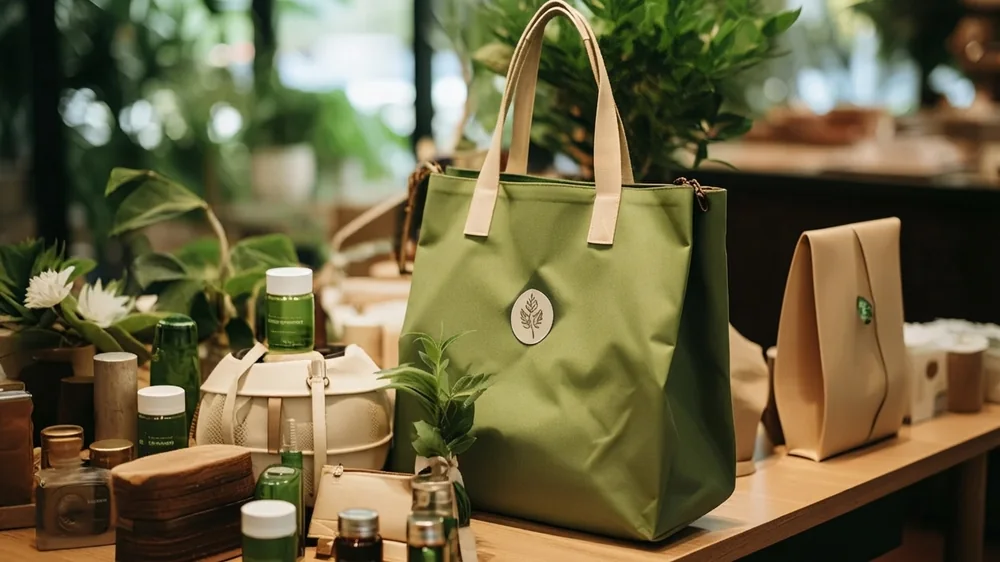
A bag photographed beside the product, so the finish is judged as closely as the artwork.
12 oz canvas · Screen print · 25 × 35 × 10 cm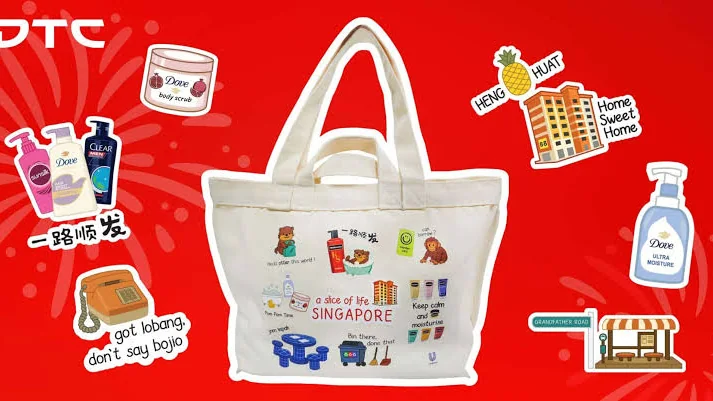
Merch that ships inside the parcel, where every extra gram is postage.
120 gsm cotton · Heat transfer · 30 × 38 × 10 cmTen lines decide it faster than any brochure. The left column is the brief this plant is built for; the right belongs with a different supplier.
Every card is a choice, and the cost it removes once the bags are in use. Together they hold each lot to a 99.8% QC pass rate.
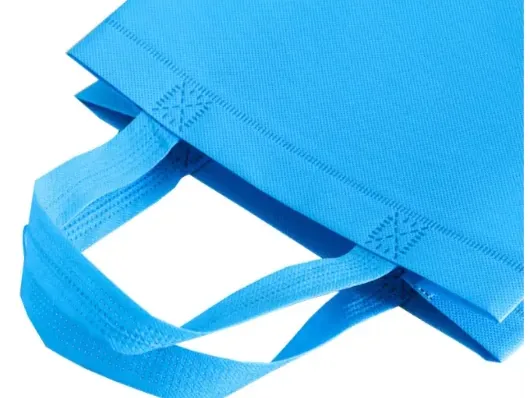
Box-X and bar-tack at every handle join — the seam a sewn bag gives up at first, and what decides how many come back.
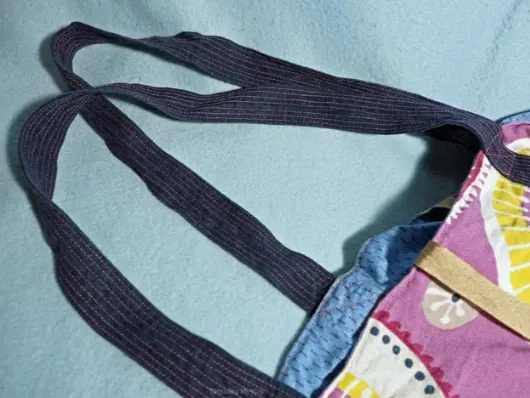
Slit tape spreads the weight across a palm, which is why a loaded bag gets carried to the car instead of dragged.
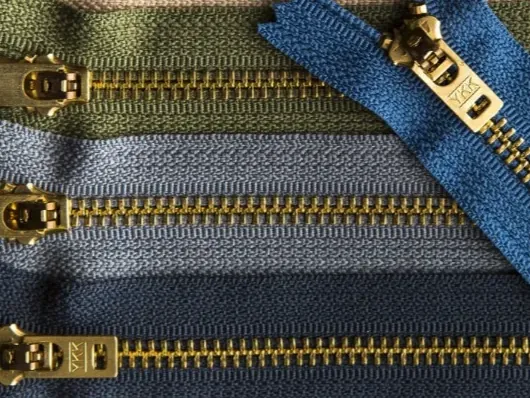
YKK zippers on the main compartment, for a bag opened daily that does not give up on the zip.
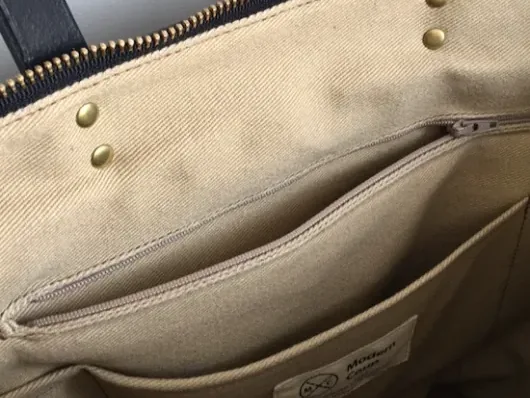
An interior sleeve keeps a 15 in machine off the keys and away from the water bottle.
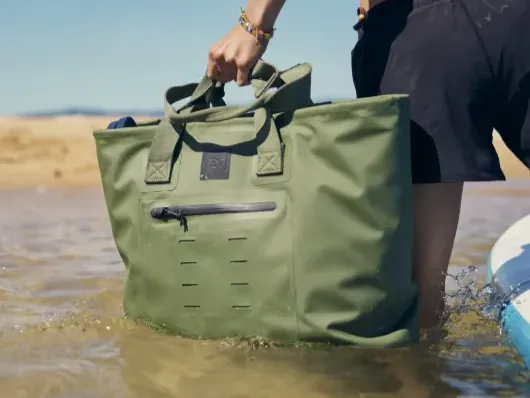
An optional water-repellent coating keeps a printed panel legible through a shower.
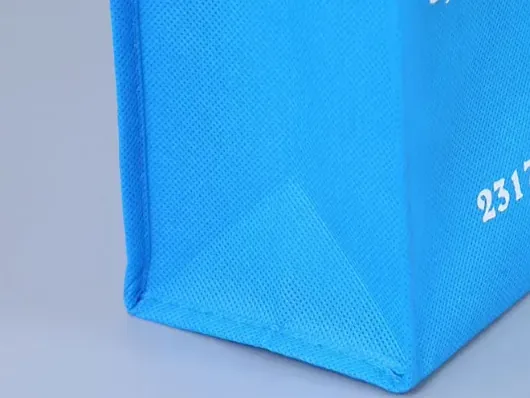
A reinforced, non-slip base is what stops a loaded tote tipping over on a car seat.
Four of these lay ink on the fabric; the fifth stitches into it. Which route is right is decided by the artwork and the volume, not by habit.
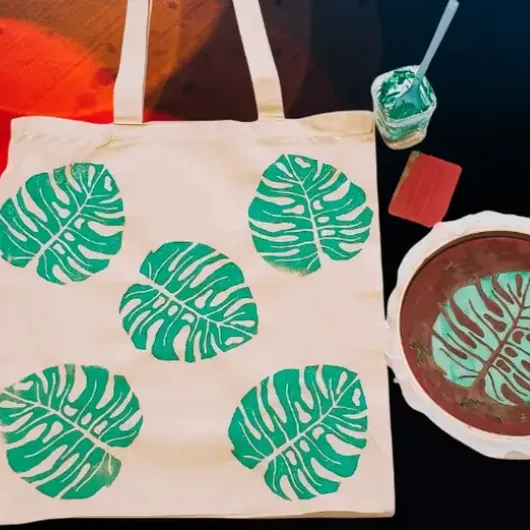
A print that survives a wash and a summer in a car boot, laid one colour at a time as a thick film.
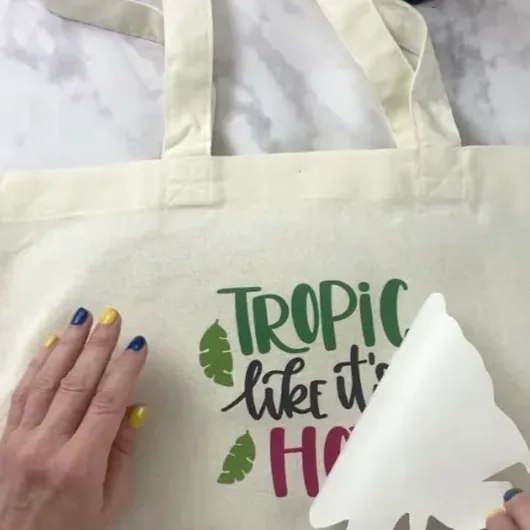
A photograph or a soft gradient on a short run, because the artwork transfers in a single pass.
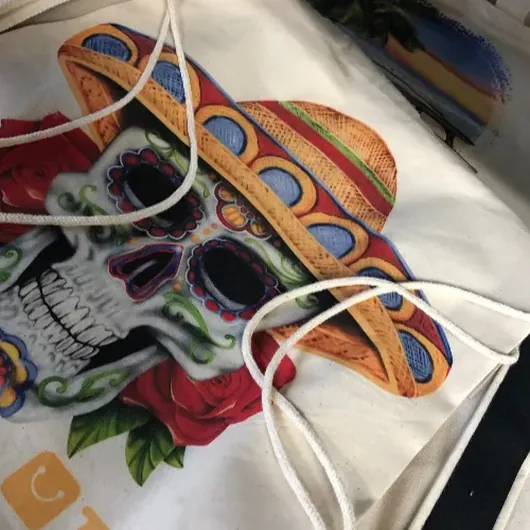
Detailed artwork on as few as a hundred bags, with nothing to re-cut between runs.
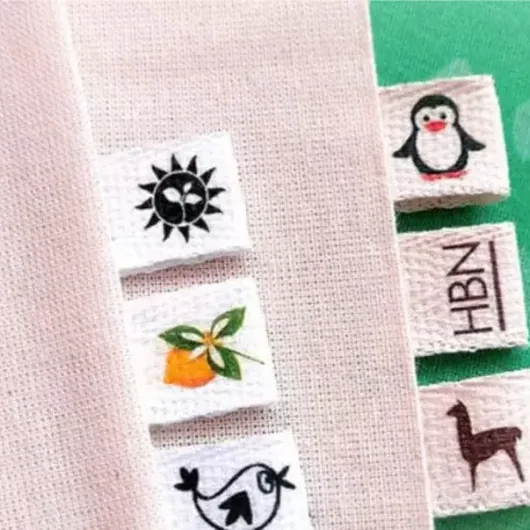
The detail that separates a brand bag from a blank, woven and stitched into the seam.
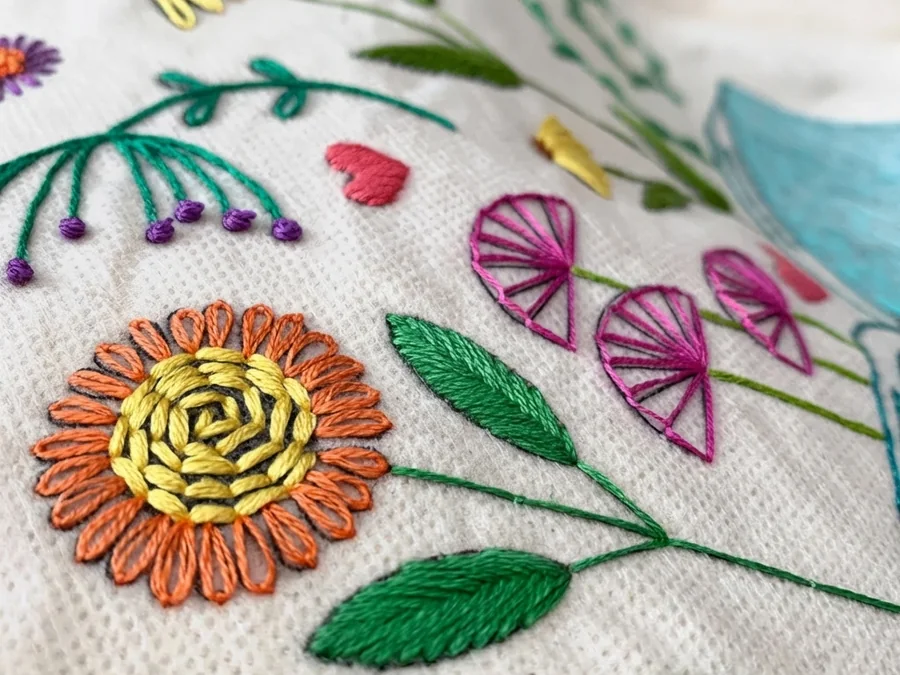
A mark that cannot crack, peel or rub away, because the thread passes through the panel instead of sitting on it.
A fabric is dyed before it is cut, so the shade is settled at the mill and not at the press. That is the point at which a brand colour becomes repeatable.
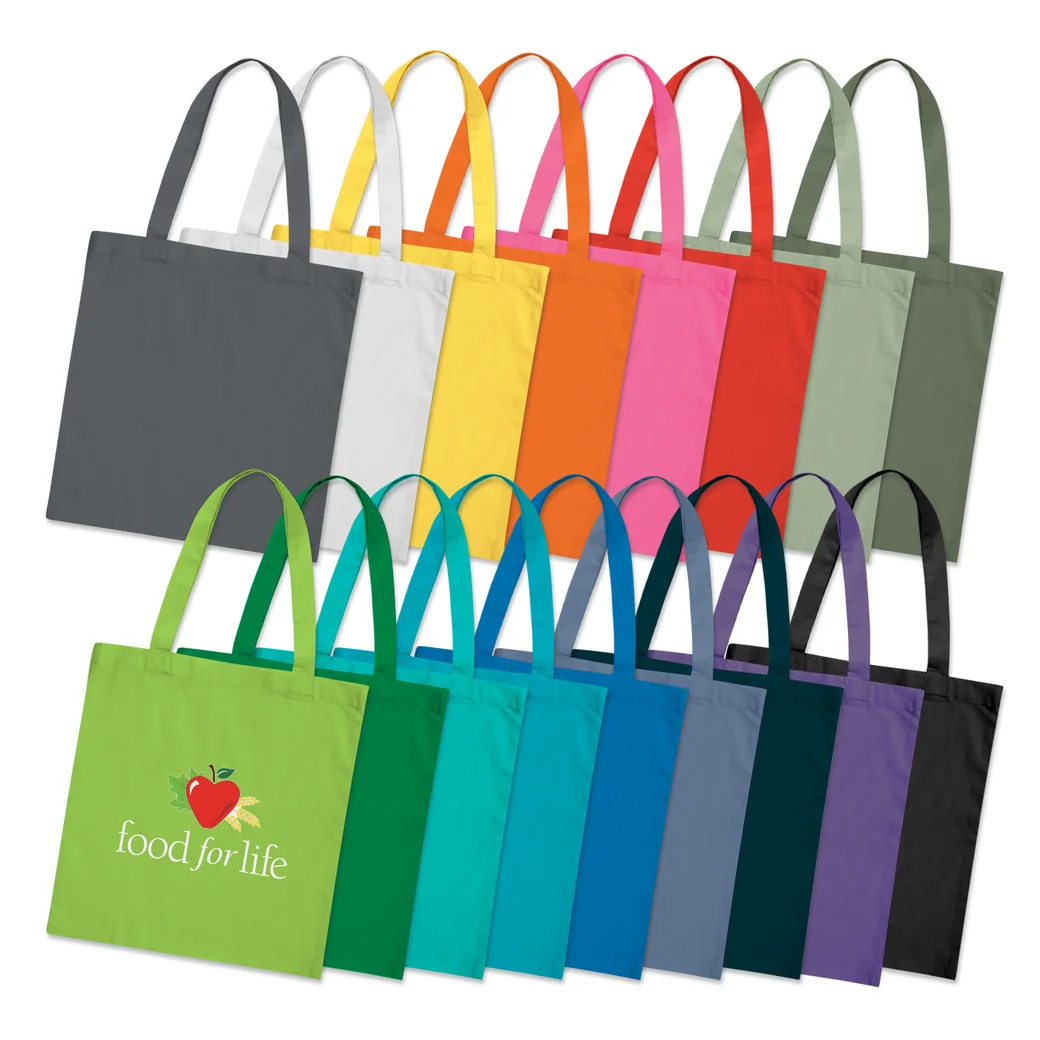
Three groups — brights, earth tones and neutrals — and a shade is found by eye before it is found by number.
A custom shade is matched to the brand reference on the fabric itself. A strike-off comes back for signature before the run starts.
A digital render shows how the print sits against the ground colour — what gets adjusted is a file, not a shipment.
Most runs land in one of three footprints, given as width × height × gusset.
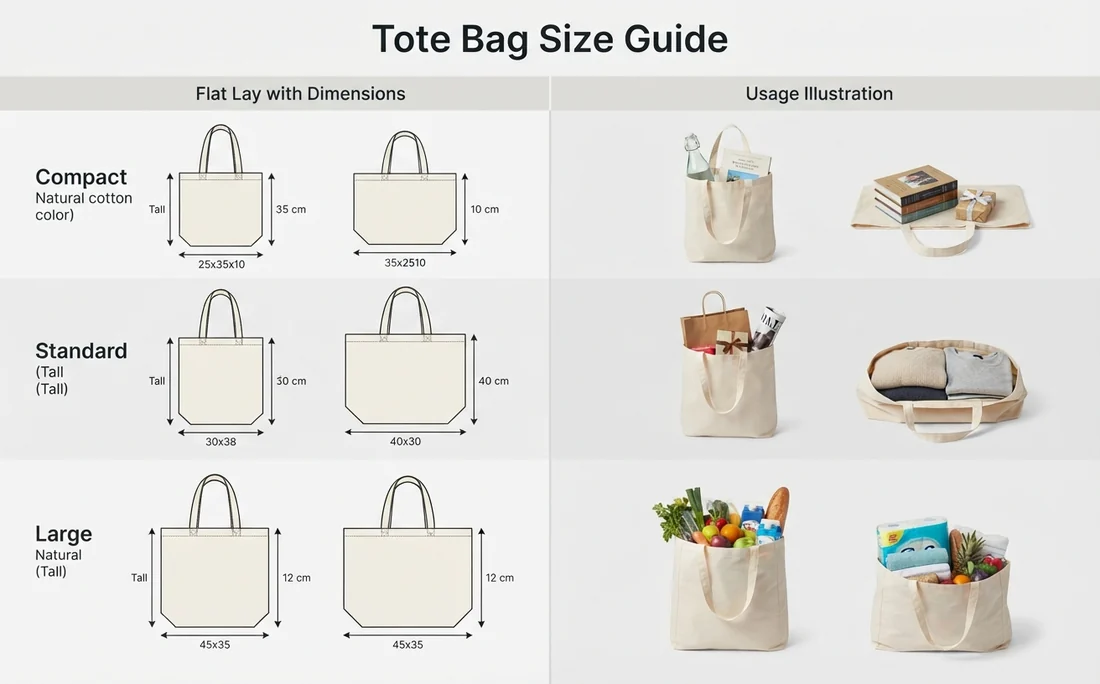
A bottle and a paperback, or a boxed set carried flat.
The retail shopper, and the wide one that takes folded garments.
A full grocery shop, and the bulk volumes sold at market.
Anything between them is made to the item — send what goes in the bag and the size is drawn around it.
Six of the places a printed tote is put to work, and the build each calls for.
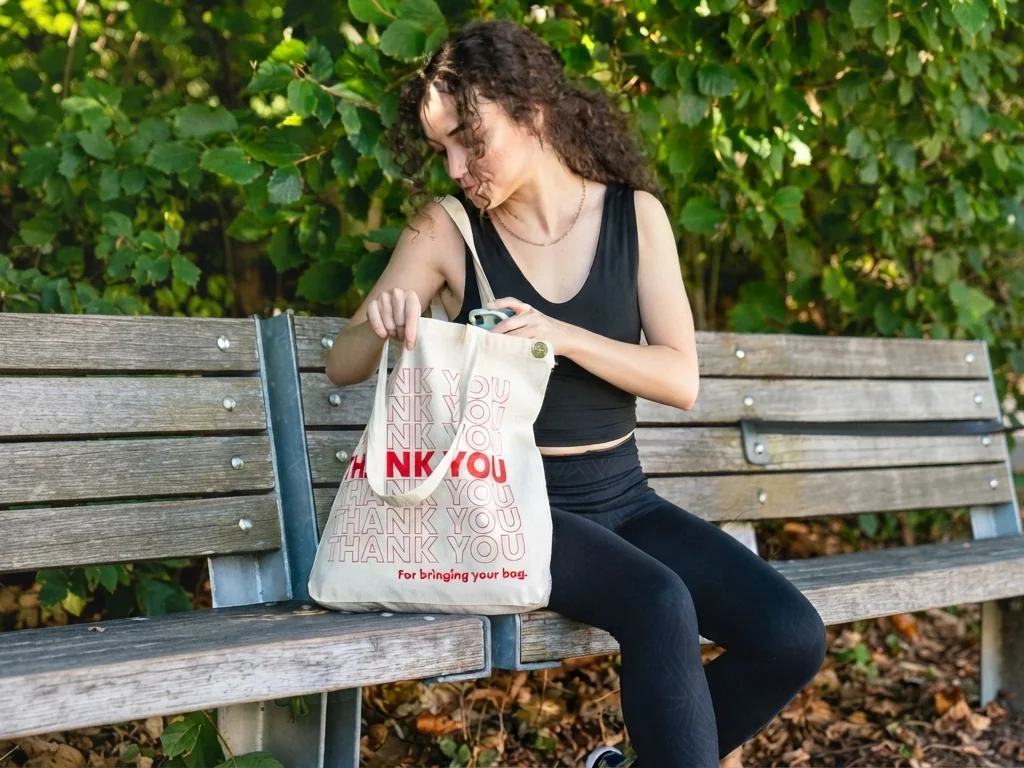
A heavyweight canvas shopper under a single-colour print, built to sit on a lap without creasing.
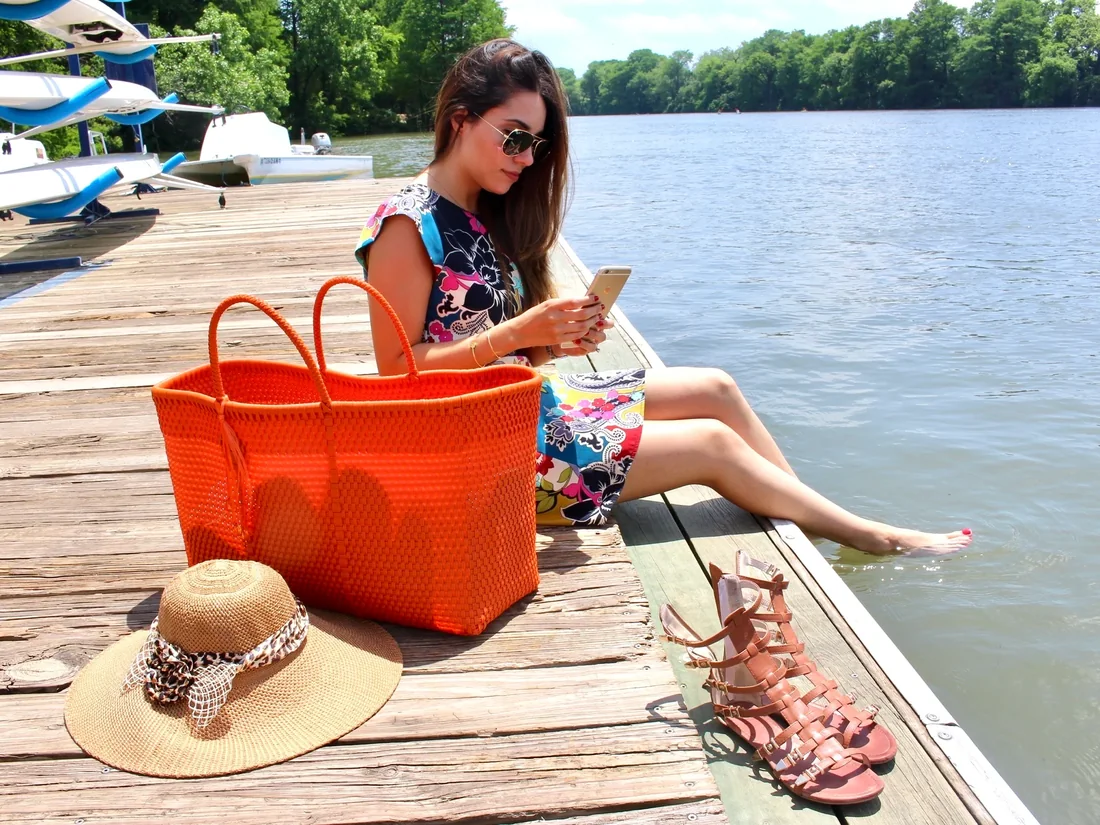
A bright dyed cotton tote on a rope handle, for a giveaway that has to be spotted from the far end of a dock.
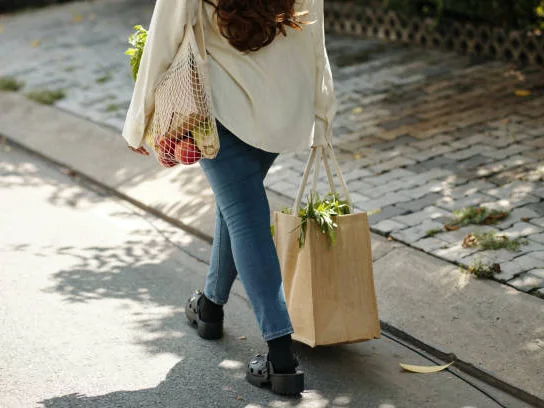
A wide-gusset carrier sized for a full shop, with a handle long enough to go over a shoulder.
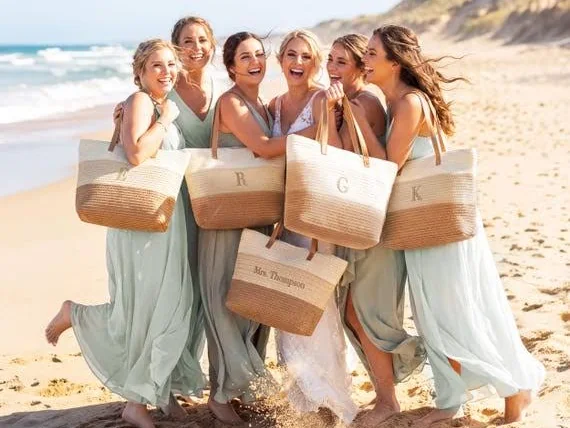
A pale canvas tote with a short run of personalized print, one per guest at the table.
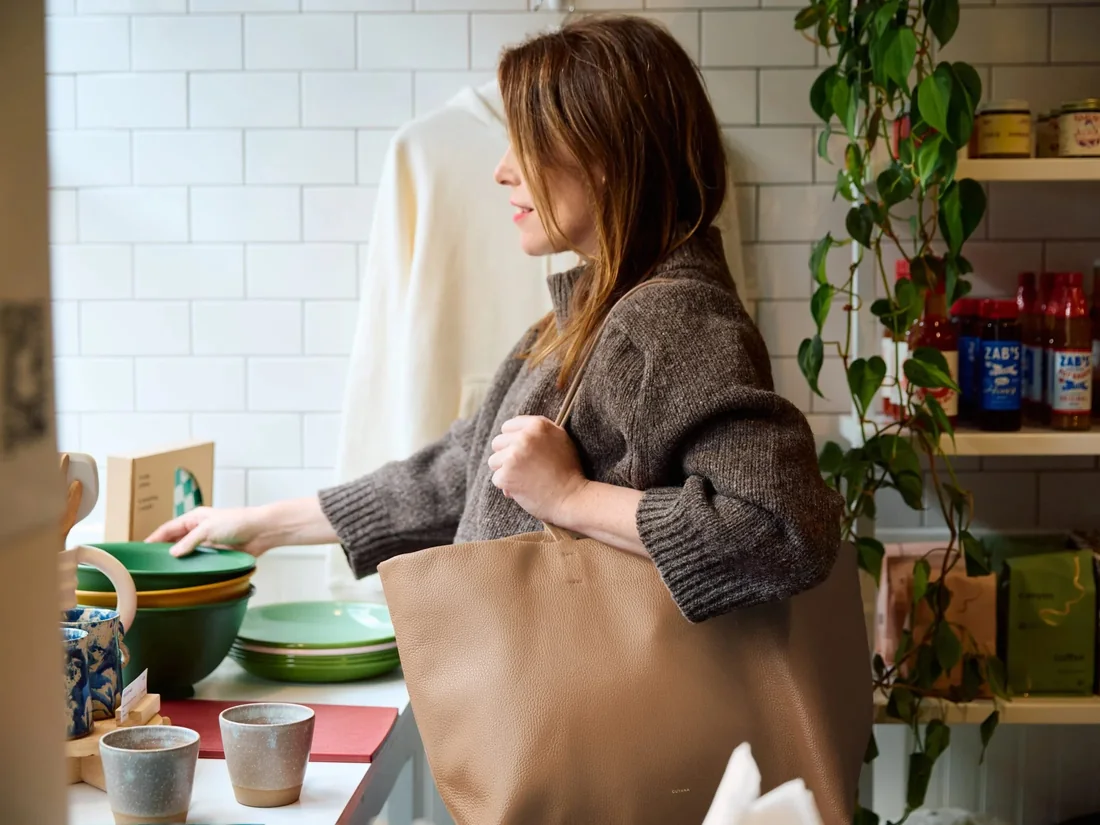
A laminated jute tote that wipes clean after a week of groceries.
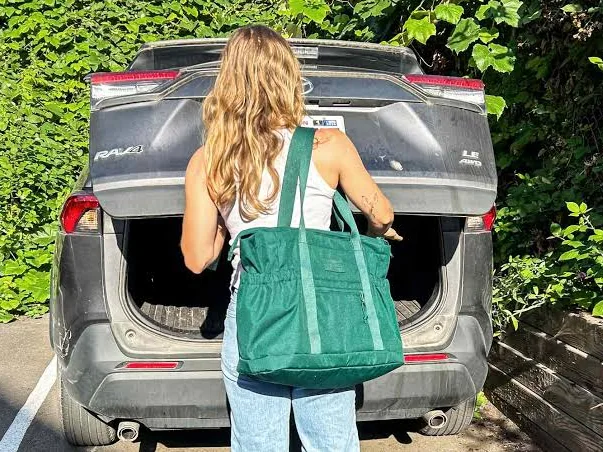
A structured gusset cut wide at the base, so the bag packs and unpacks without collapsing.

We needed a bag that matched how the shop already looks, and the jute totes came back exactly as the sample. Same weave, same natural colour, on all of them.
They stand up on the shelf on their own, which matters more than I expected. Shoppers pick them up, and the print stays square instead of slumping over.
They have become a second revenue line. Customers buy a tote with the shopping and come back for another as a gift.

The canvas totes carried more than the conference programme did. Thick fabric, reinforced stitching, and they took books and laptops without complaint.
Our logo was screen printed in full colour and stood out sharply against the natural canvas — readable from across the room.
Two of the staff took theirs home and still use them. That is the part that surprised me: the bag outlasted the event it was made for.
Six things a buying team asks once the fabric and the size are settled.
Before, and panel by panel. The body is printed as flat panels, then assembled — a panel takes ink right to its own edge. A bag printed after assembly cannot reach the corners, and the ink sits differently on a curved surface.
The artwork carries over; the ink does not. A screen that sits sharp on canvas spreads on a nonwoven — the same file is separated differently for each fabric, and a fresh proof is approved on each one.
Flat and counted, nested into cartons on a pallet pattern drawn around the container. Bags are wrapped against moisture before the carton is strapped, because a fabric tote crosses more weather than a box does.
A deposit confirms the order and the balance clears before the goods leave the plant. T/T and L/C are both accepted, and the split is written into the price rather than agreed at the end.
No. The 500-unit minimum applies to a first run in a new fabric and artwork. A reorder on the same build starts lower, because only material and machine time are being bought.
Yes. Your size can be sewn as a white dummy to check dimensions, and a printed sample in the final fabric follows for colour. The sample charge is credited against the production order.
Hand over the dimensions and the artwork. The reply itemizes every part of the cost at each quantity break, which makes the volume worth aiming for visible before anything is committed.