Cut transit scratch returns by up to 25% with static-safe velvet pouches that stay non-abrasive in shipment. Non-flaking hot stamping and low-lint lining keep high-shine jewelry and luxury metals presentation-ready, with physical samples in 7–10 days.
Nine Velvet Bags, and the Decision Each One Settles
All nine come off the same 500-unit minimum, which means a test order costs the same whichever drawer is opened first. What differs is the fastening and what goes inside it.
VB-01
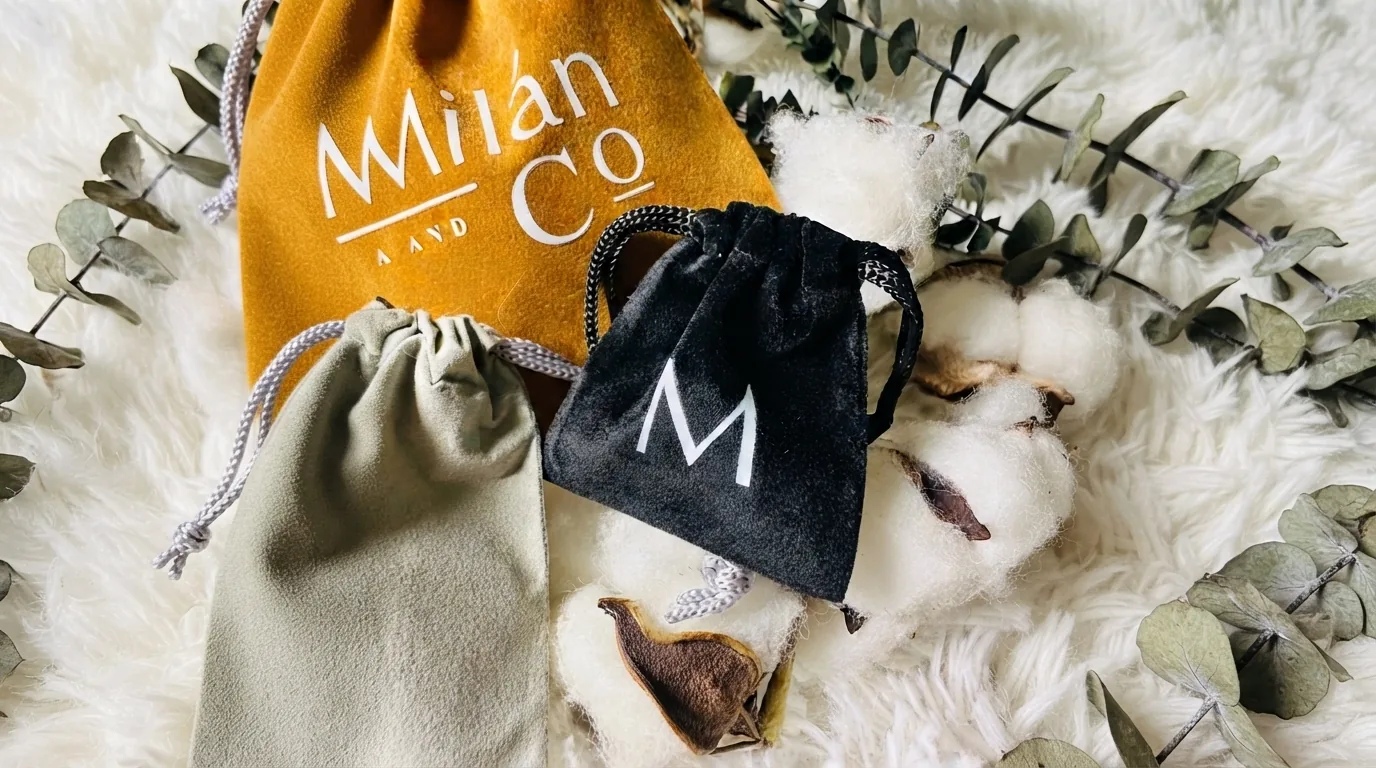
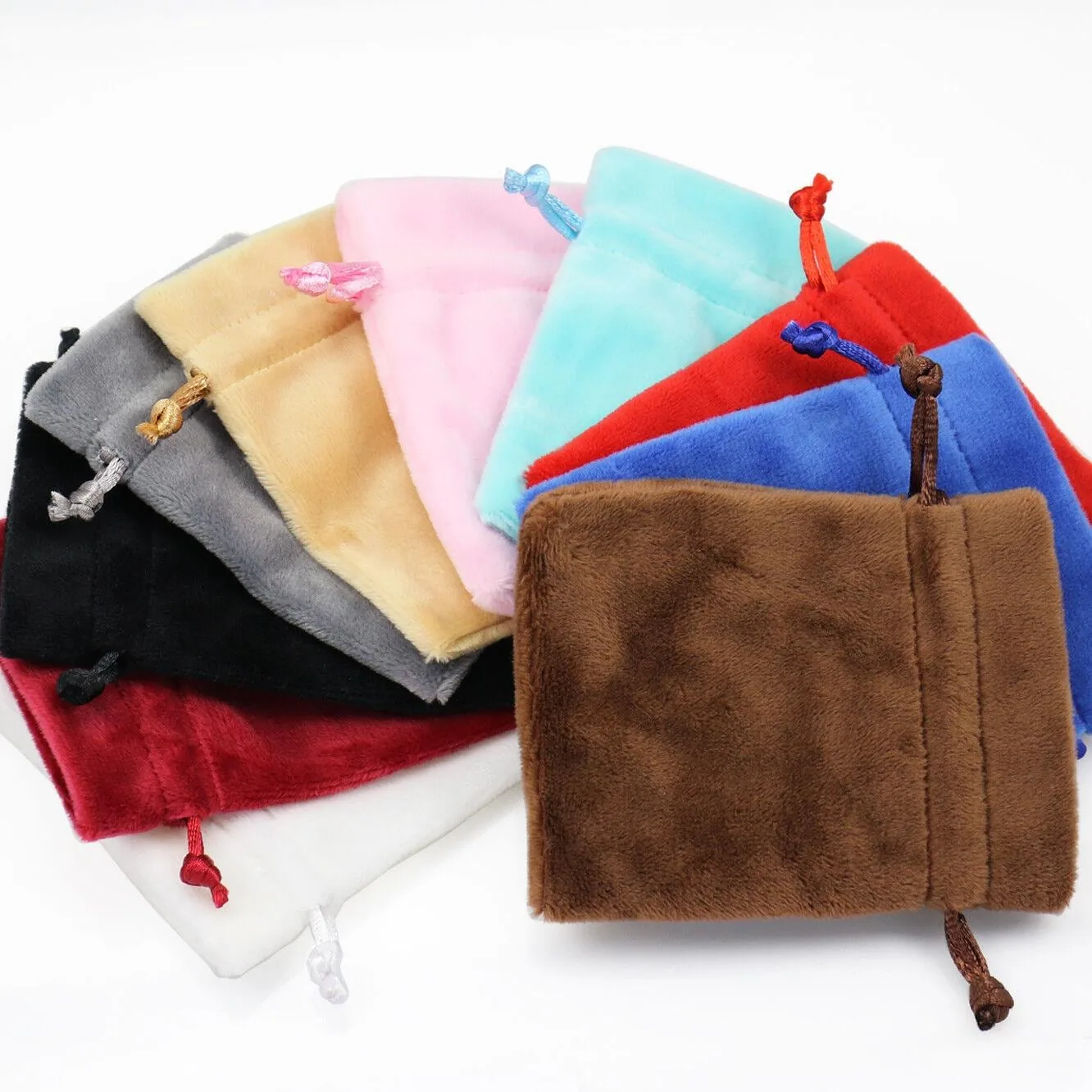
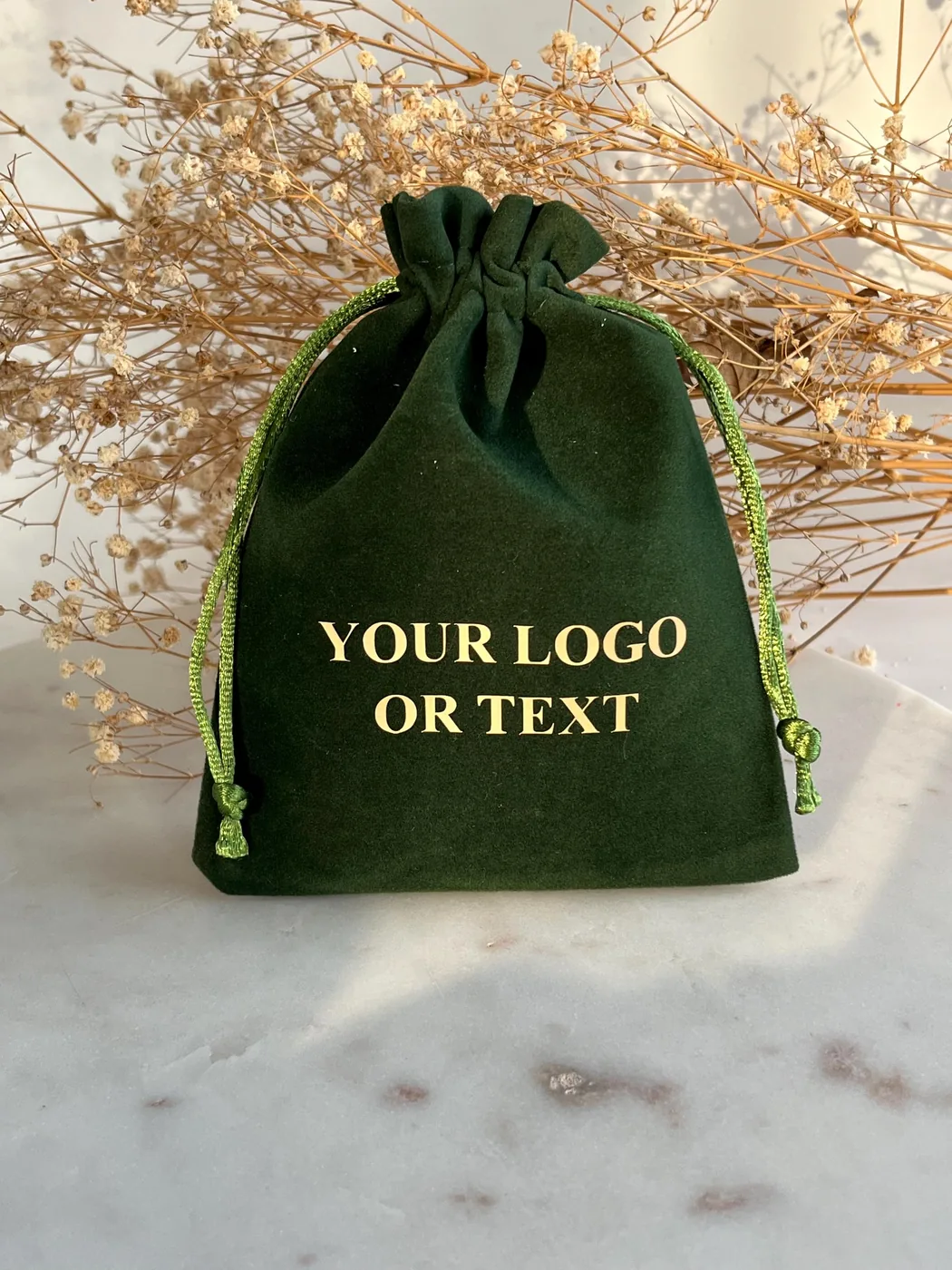
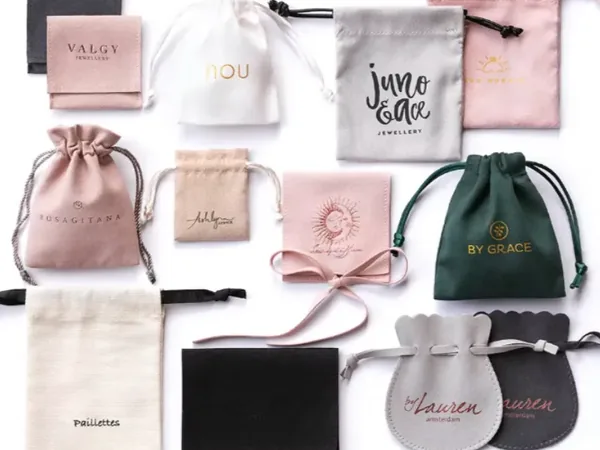
Custom Velvet Drawstring Bags
Ribbon or twist cord
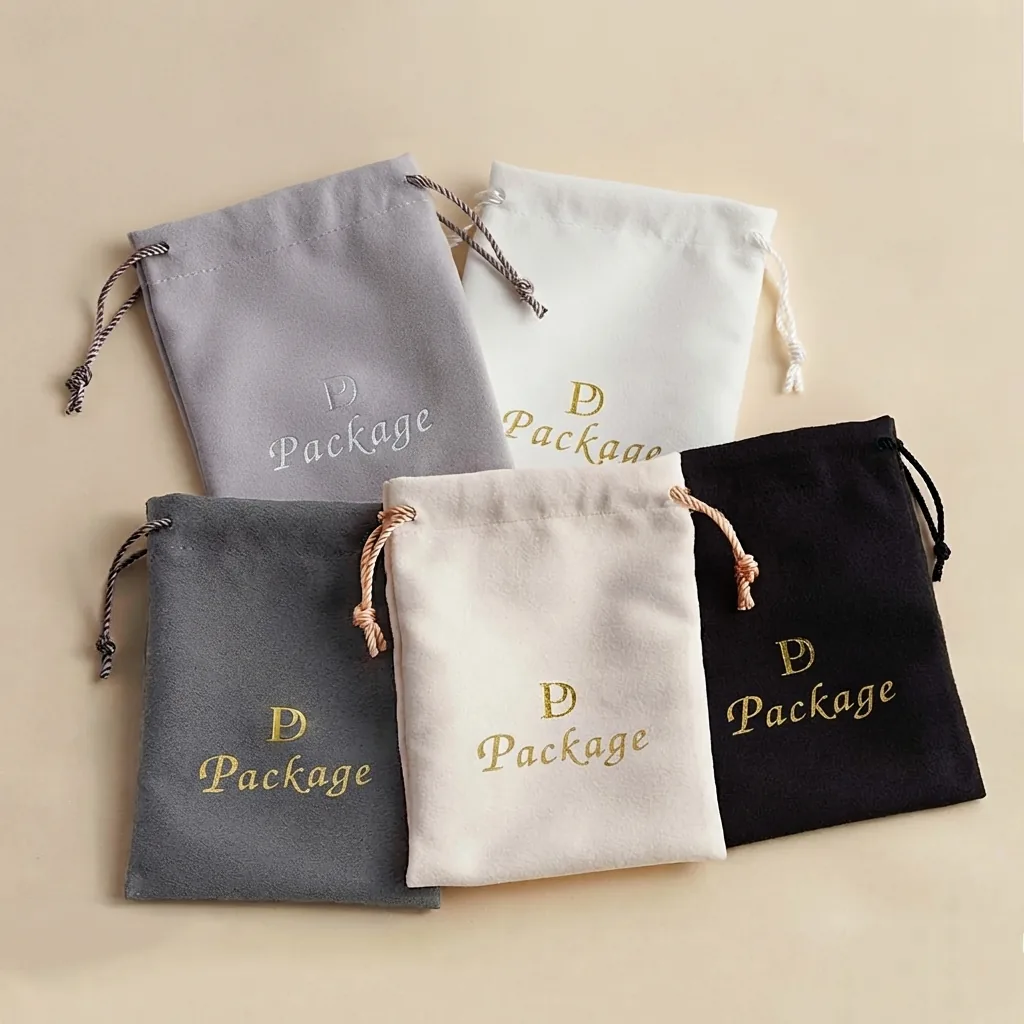
A measured 12 mm casing, bar-tacked at both openings, so the cord cannot pull out of the bag.
VB-02
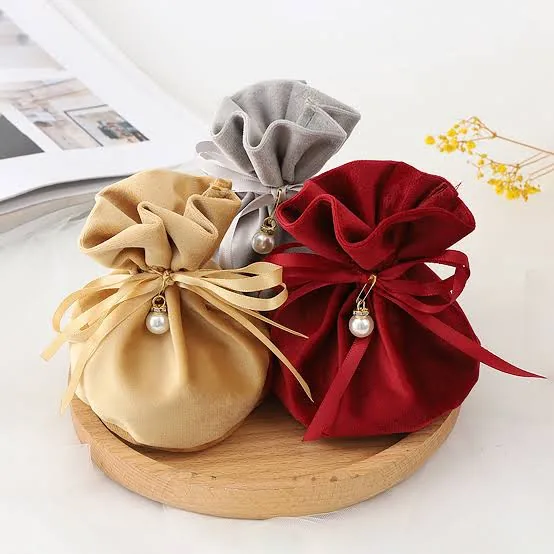
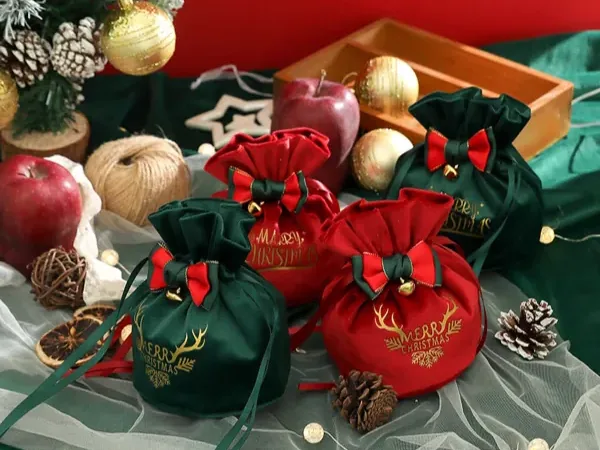
Custom Velvet Gift Bags
Takes a foil block
A gift bag is read before the gift is; velvet takes a foil that catches a room light.
VB-03
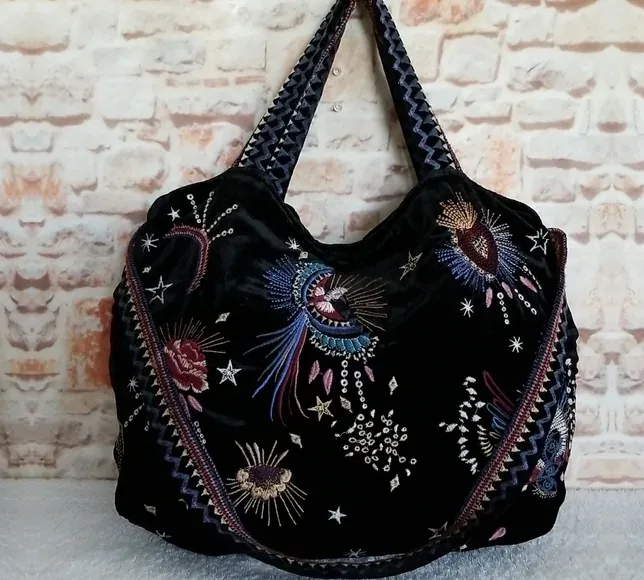
Embroidered Velvet Bags
Thread, not ink
Thread laid into the pile — the one mark here that survives a wash.
VB-04
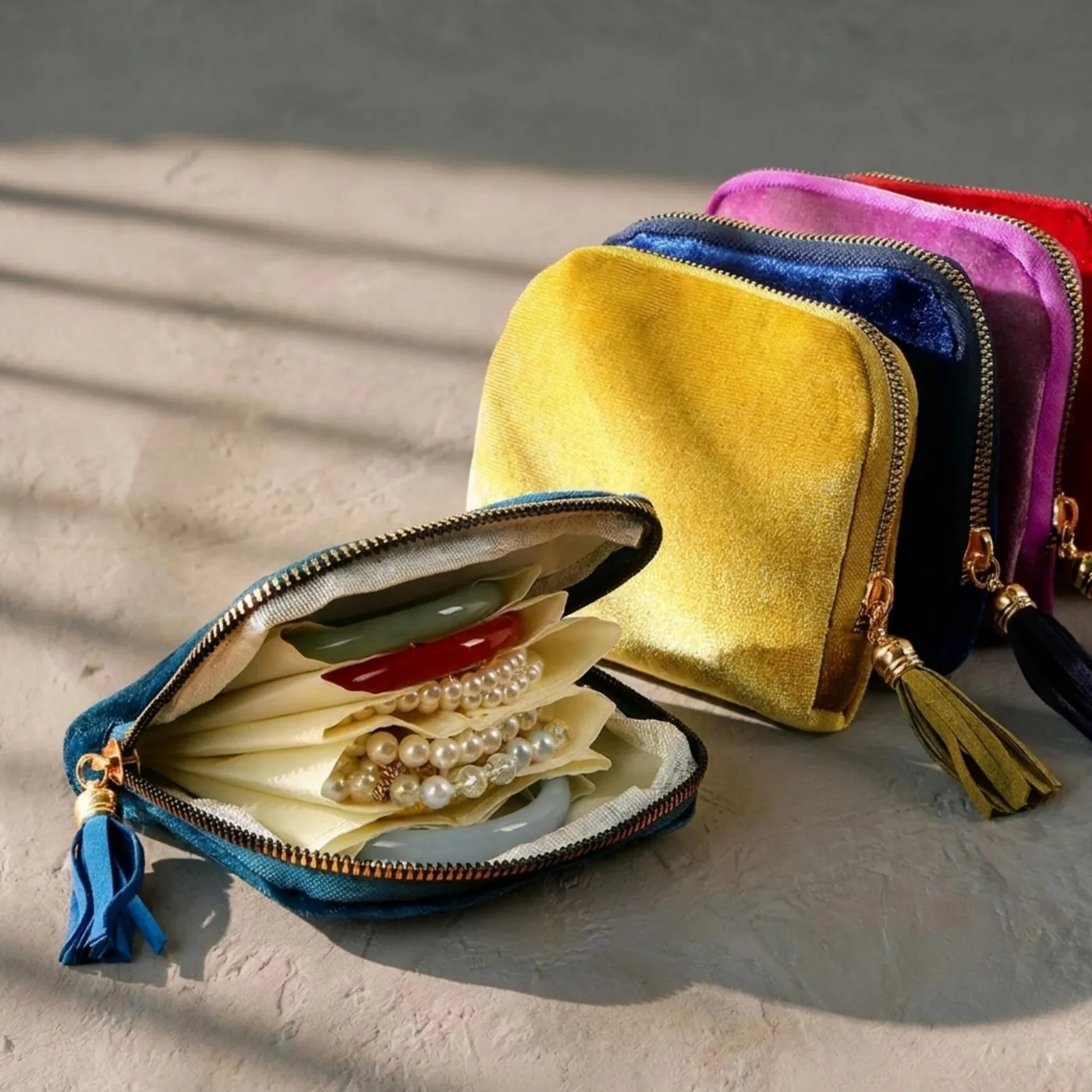
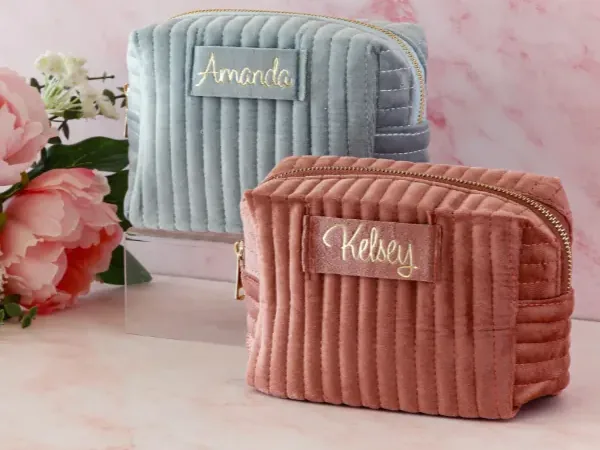
Velvet Zipper Pouches
Metal zip, fabric pull
A zip turns a pouch into a case, and a case lives in a handbag rather than a drawer.
VB-05
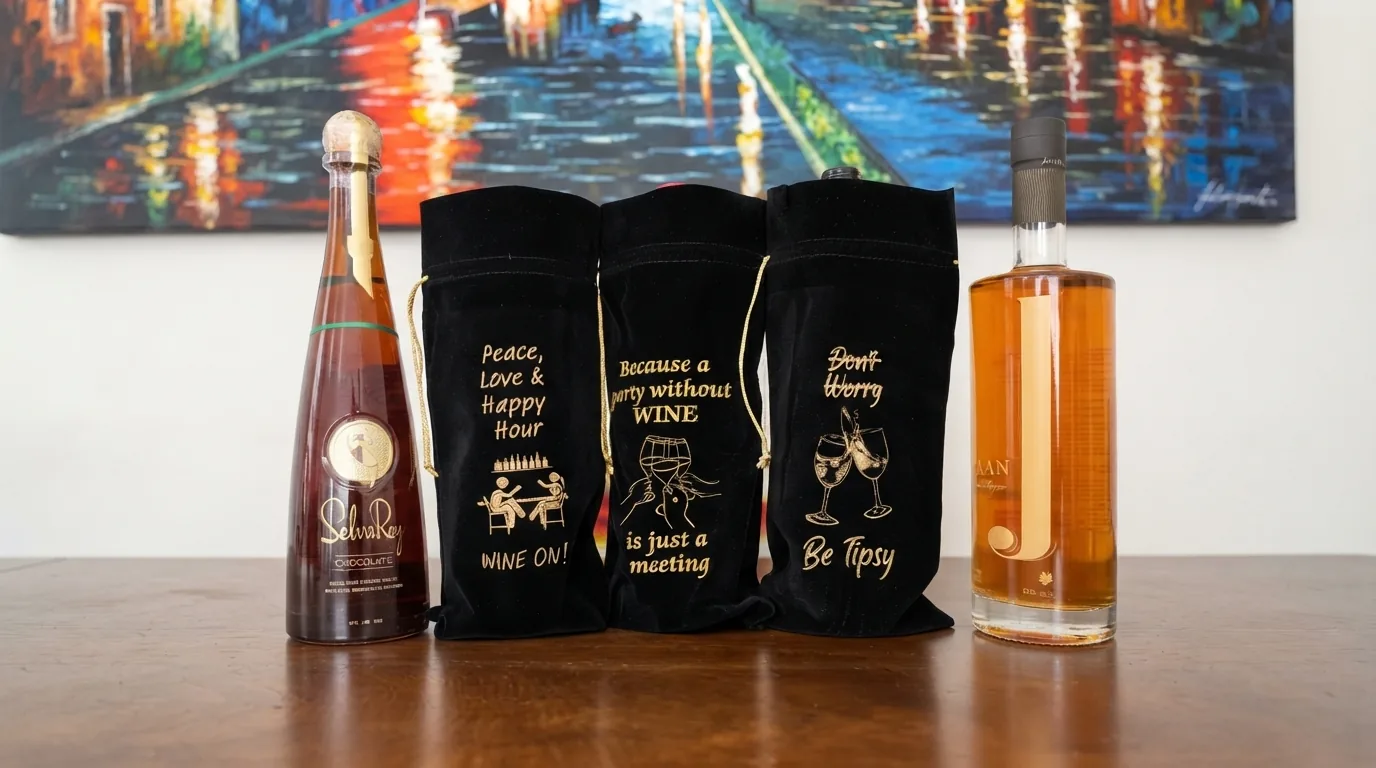
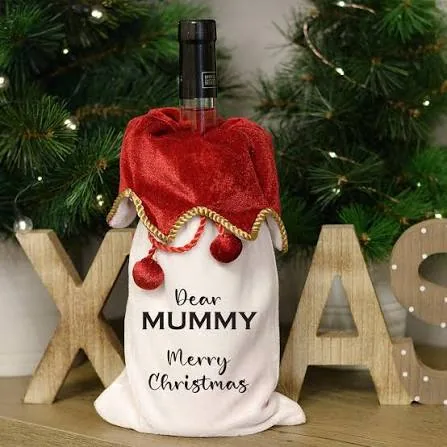
Velvet Wine Bags
One or two bottles
Bottle-shaped and carried by the cord, so the bottle arrives dressed.
VB-06
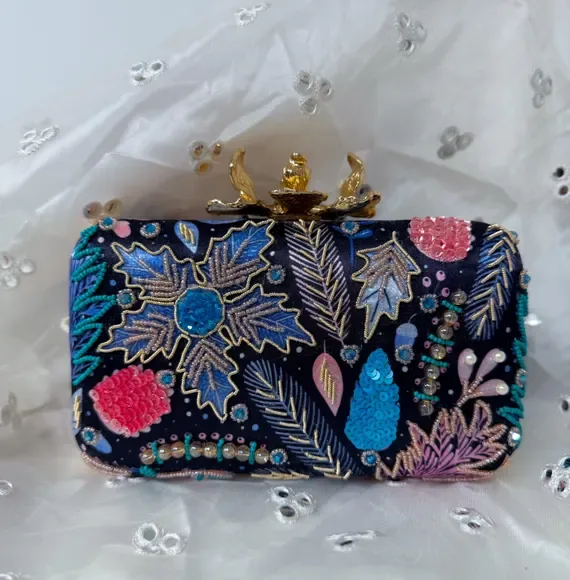
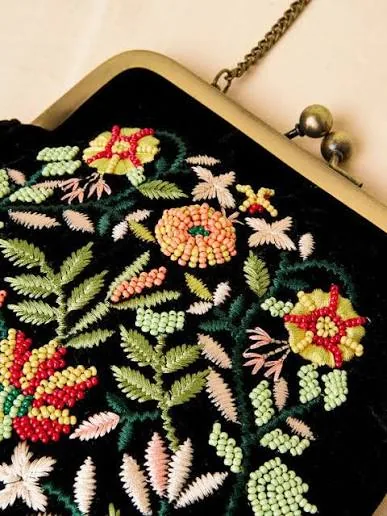
Beaded Velvet Clutch Bags
Hand-set by the piece
The dressiest build on the page: beads and a clasp, both set by hand.
VB-07
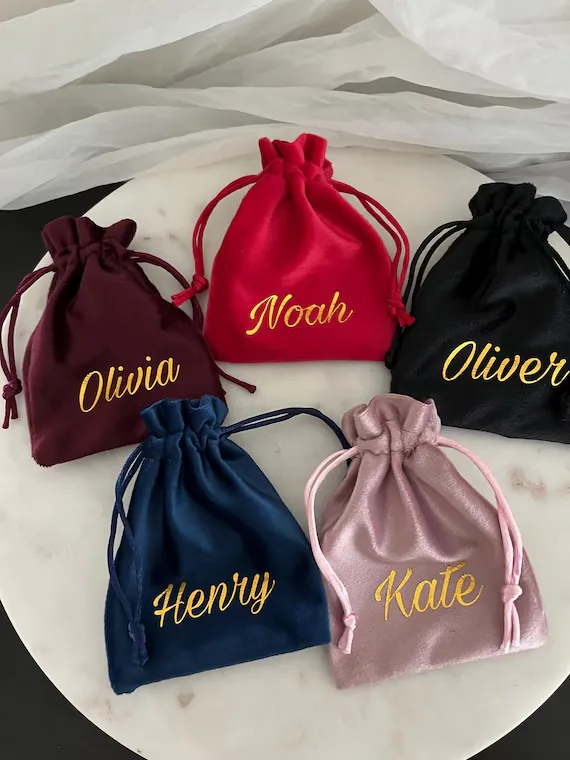
Printed Velvet Drawstring Bags
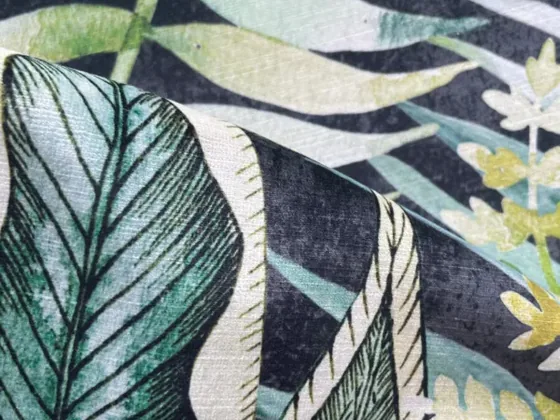
Print laid in the pile
The whole face becomes the artwork instead of a mark on a coloured bag.
VB-08
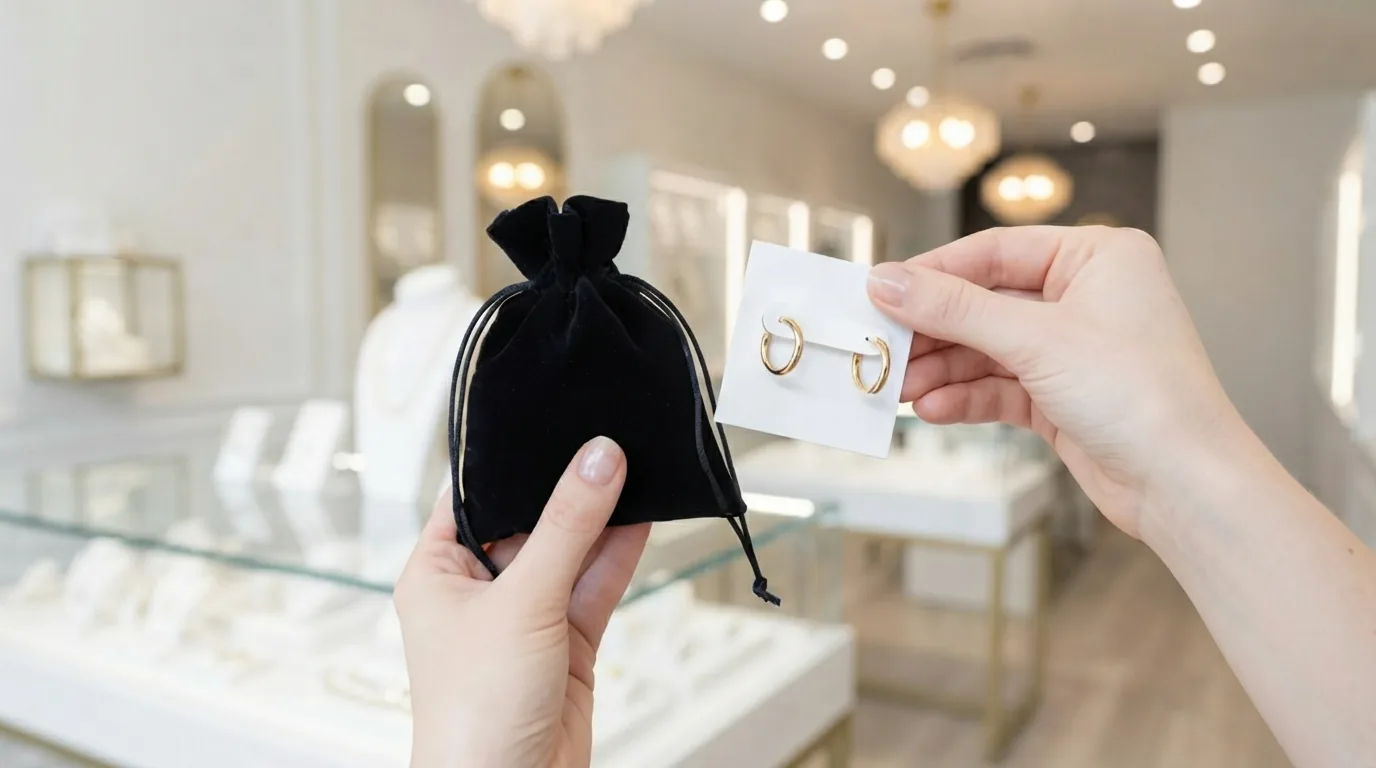
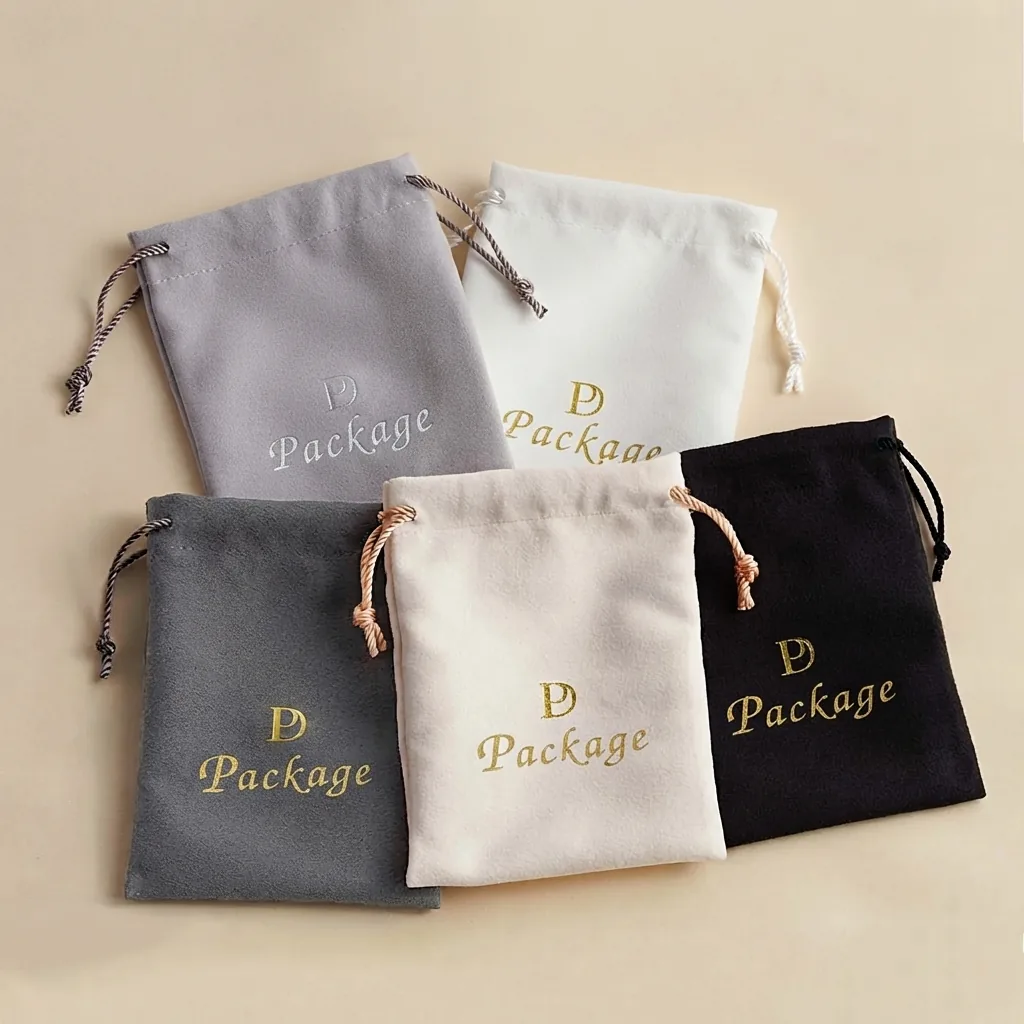
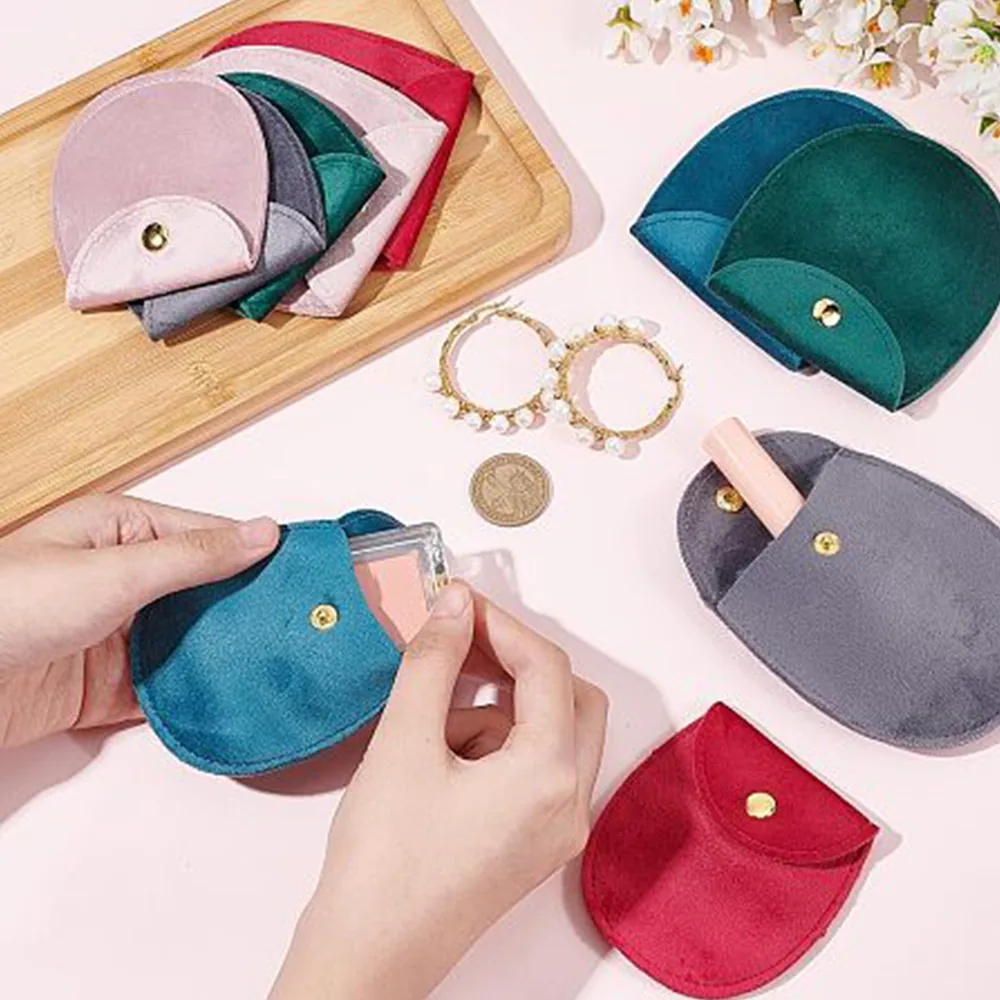
Custom Velvet Jewelry Pouches
3 × 4 to 8 × 10 in
Padded, lined against tarnish, and measured to the piece — the build most clients reorder.
VB-09
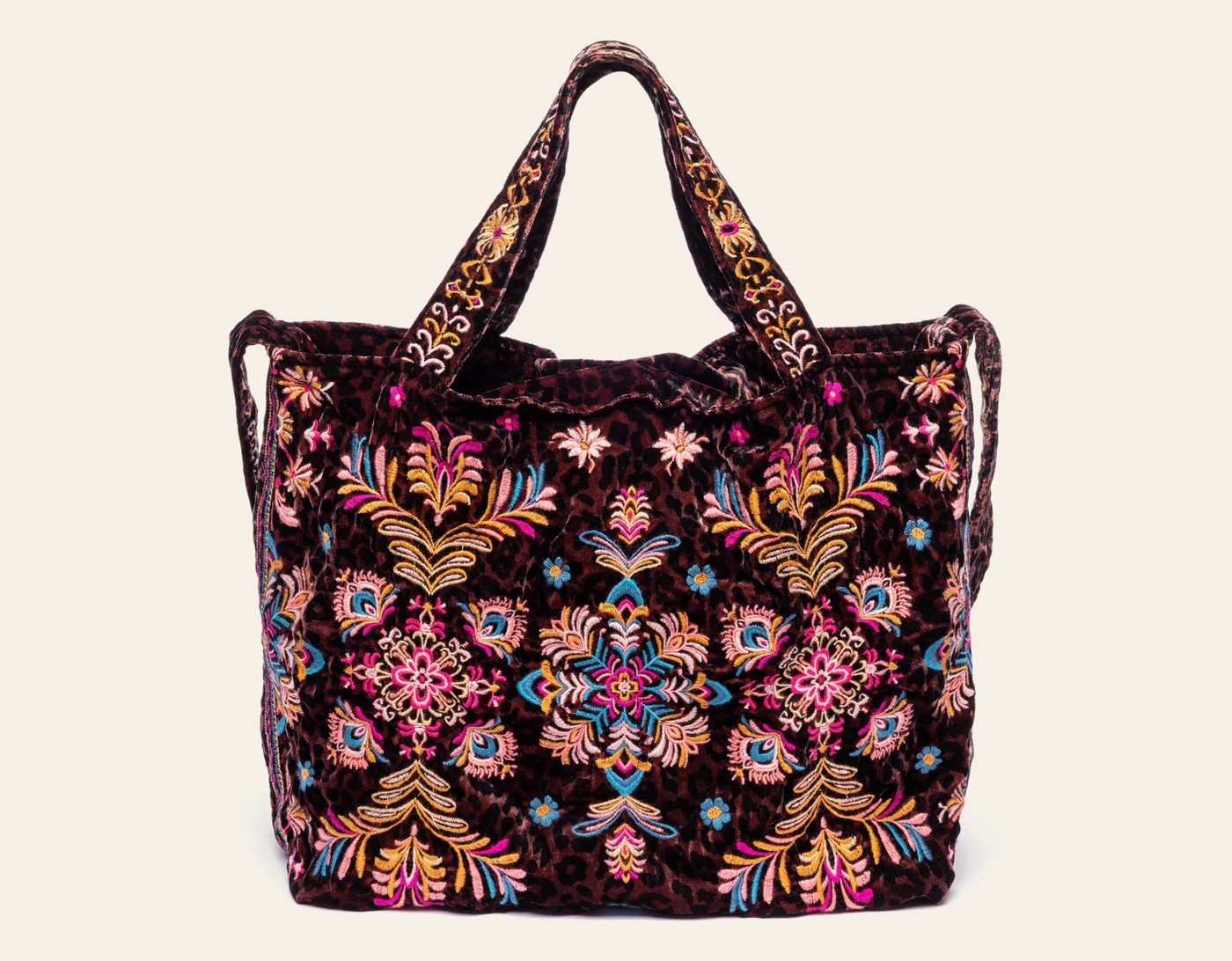
Large Velvet Tote Bags
Embroidered panel
Velvet has the weight to hold a shopper’s shape and a face wide enough to carry a mark.
What we can take on
Bring the Product, and the Bag Is Built Around It
Six ways to have a pouch built here, from copying a build that already sells to drawing a new shape from a photograph. Each starts with the product next to a ruler.
01
OEM — a build already selling
An existing build, or one being bought elsewhere, is copied to the millimetre and matched against a swatch mailed in.
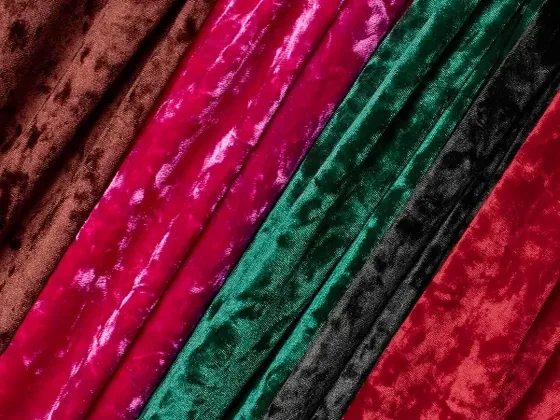
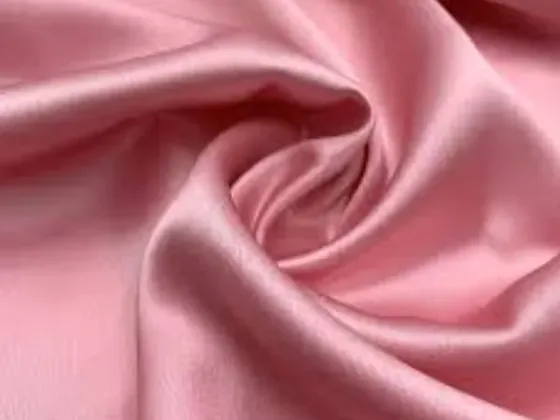
A pile is chosen in the hand, not from a screen. Post the piece, or send its dimensions, and the cloth goes out as physical samples with the unit rate behind them.
Fashion and cosmetics, where wear showsFashion, cosmetics
SatinCheapest of the four
$
None, flat weave
Screen print, transferScreen print
Dust bags and giveaways at volumeDust bags, favors
Printed
$$$
2–3 mm
The print is the markThe print
Designs that carry the identityArtwork-led
Recycled rPET velvet carries the same cost band as premium and runs on identical tooling — it is spun from post-consumer yarn and reads the same at arm’s length. A shade matched to a Pantone rather than taken from the card starts at 2,000 units. Wholesale runs from 500 to 500,000 units reorder without anything being redrawn.
Getting a logo onto pile
Five Ways to Put a Mark on Velvet
Velvet is the least cooperative surface in this workshop. The pile drinks ink, shrugs off adhesive and blurs a fine line, which puts thread at the top of the list rather than the bottom.
Embroidery
Thread laid into the pile. The only route that still reads after a wash, and the route that holds a crest or a monogram at a size the others lose.
Foil stamping
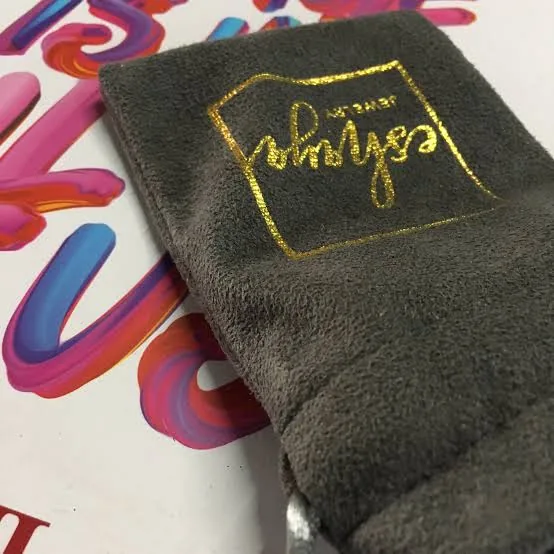
A metal layer pressed into the pile under heat. On a flat crushed velvet it lands sharp and mirror-bright; on a deep pile it sinks and softens instead of flattening.
Screen print
Ink pushed through a mesh onto the face. Bold shapes only, and it sits on top of the cloth: a print on a pouch that gets handled will wear before the cloth does.
Deboss
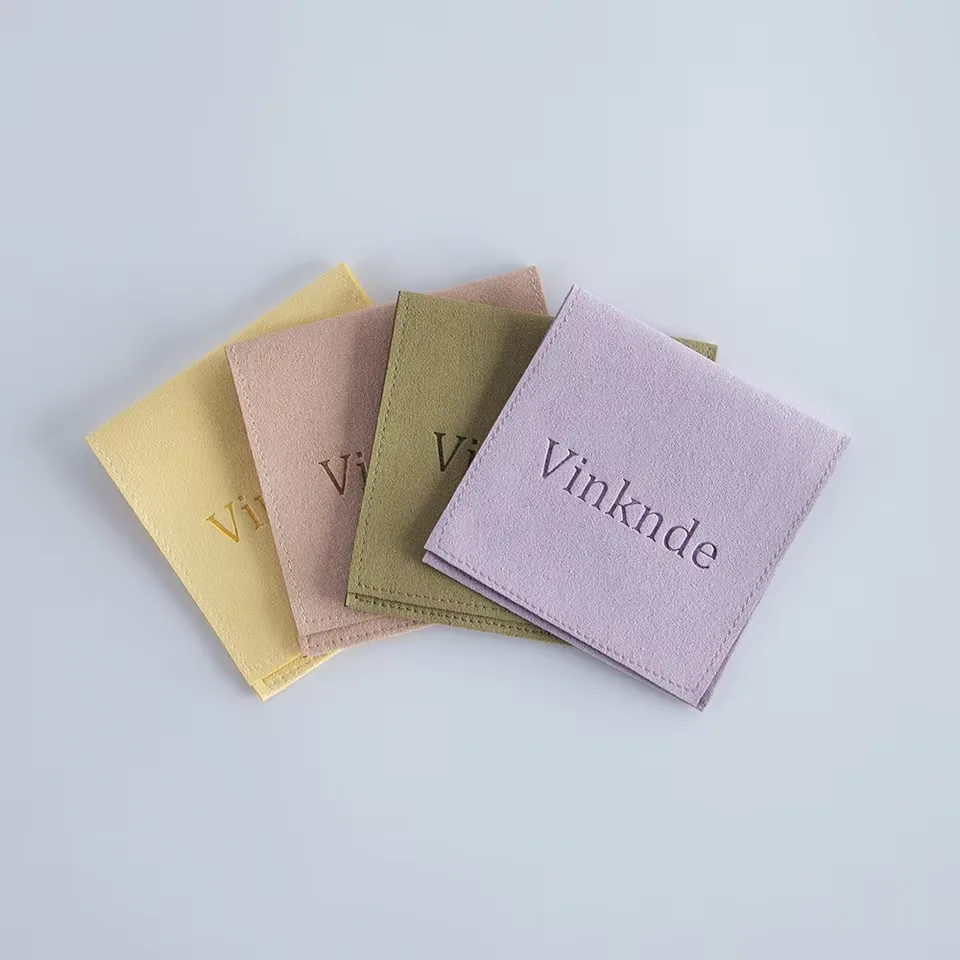
The pile pressed down with no ink and no foil. A mark that cannot be read from a distance and cannot be missed in the hand, which suits a house that does not shout.
Woven or leather label
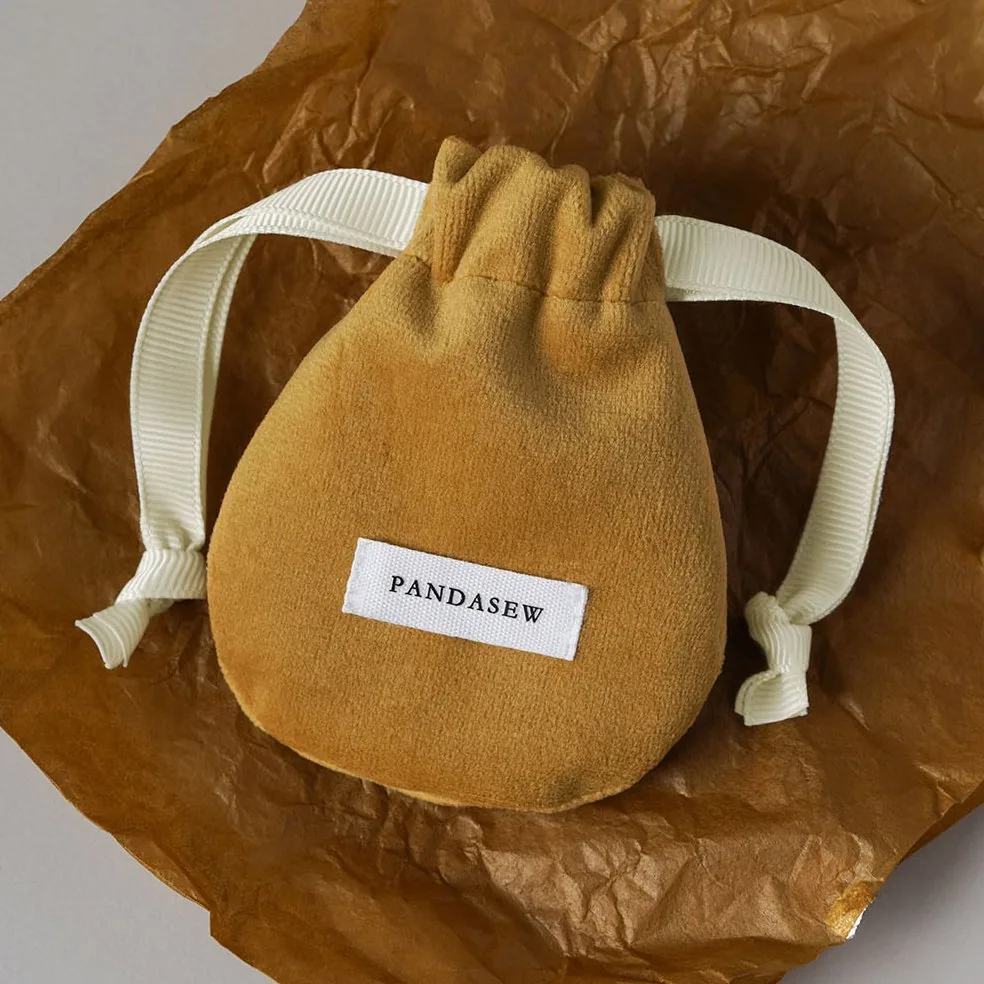
A separate label stitched at the seam. Fine type and two colors both survive here, at the price of another component to make and another thing to sew on.
Cloth that marks what it wraps is worse than no cloth at all. These four are decided before the run starts, not discovered in a customer’s hand.
Grade 4–5
Dry rub fastness
A black pouch against a white garment is the first question a retail buyer asks, and the grade is the answer. ISO 105-X12, tested on the finished dyed cloth, not on a swatch of yarn.
Azo-free
Dye to REACH Annex XVII
A restricted amine is not something a pouch should carry into a customer’s home. The dye declaration travels with the order, which matters for anything a child will pick up.
Two passes
Brushed, then vacuumed
Velvet sheds onto glass, lenses and polished metal. The cloth is worked against its own pile and vacuumed before packing, which is what opens a box clean.
Under 2 %
Shrinkage at 40 °C
The pouches that come back into circulation are the ones that get washed. Cloth that survives a hand wash at its original size is cloth a customer keeps.
Two things stop a reorder: packaging the customer throws away, and a second run that does not match the first. Both are decided in the first run.
A box is opened once and binned
What we do
Build a pouch worth keeping: a tarnish-cloth lining so silver comes out the colour it went in, a seam that survives a wash, and a size that fits a handbag rather than a shelf.
What that gets you
The mark keeps working long after the sale — out of a drawer, a suitcase and a gym bag for years, at no further cost per impression.
Run two never matches run one
What we do
Dye to the chip signed off on the first run rather than to a screen, hold the run to a tolerance of ΔE 1.5 against it, and dye a reorder placed inside six months in the same bath.
What that gets you
Two batches read as one colour on a shelf, so a reorder never looks like a different product beside the stock already there.
Who the build is for
Who Orders This, and What Changes for Them
The cloth is usually the same. The lining, the closure and the proof a run has to pass are what separate these four.
Jewelry and watches
Tarnish cloth
Padded
3 × 4 to 8 × 10 in
Silver and gold stay bright through a season on a counter.
Gifting and events
Foil stamp
Ribbon
Dates and initials
One run covers a launch, a wedding or a client dinner, stamped with the date.
Cosmetics and travel
Zip
Lined
Wipes clean
A case rather than a bag, lined to survive a spill.
Retail and care kits
Drawstring
Embossed
Ships with the product
The pouch a product ships in and stays in on the shelf.
White-label runs come off this plant under the buyer’s name, with the pattern and the signed chip filed to their account.
What happens, and when
From Swatch to Carton, in Five Stops
Each stop is one line. Odd stops sit above the rule and even stops below it, and each ends with what is in hand when it closes.
Day 0–1
Swatches and a price
The cloth is in your hand before the price is.
Day 1–3
Pattern and artwork
Nothing is sewn to find out whether the mark works.
Day 3–10
A sewn sample
The test happens on a bag rather than on a screen.
Week 2–5
The run
What arrives is what was approved, at the quantity on the order.
On dispatch
Inspection and carton
Under 0.2 % of what ships arrives unusable, and the reference chip rides with it.
We support brand compliance requirements. Certificates can be provided upon request.
ISO 9001
FSC
BSCI
SEDEX
LWG
After the sale
Five Places a Velvet Pouch Gets Kept
Three on screen at a time, five in the set. The pouch leaves the box and keeps going — these are the places buyers tell us theirs end up.
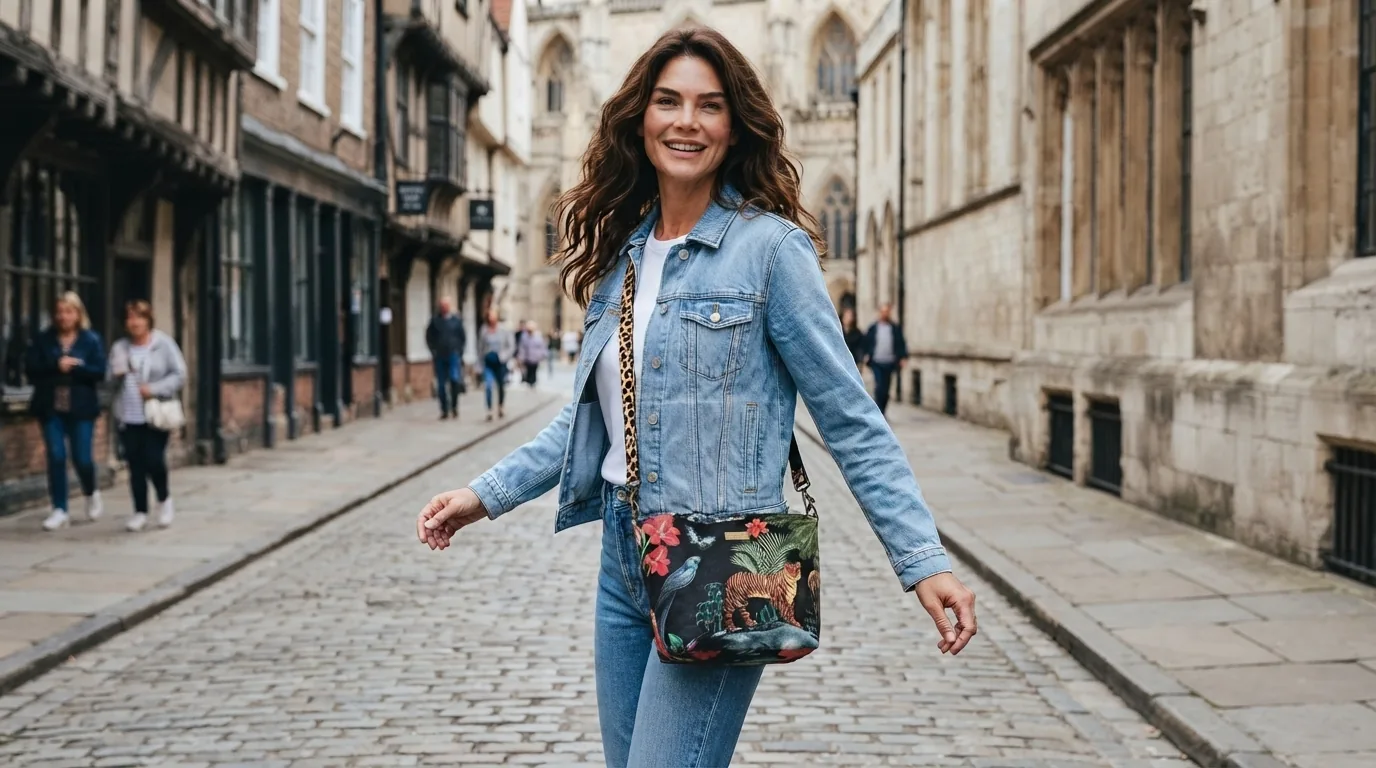
Out on the street
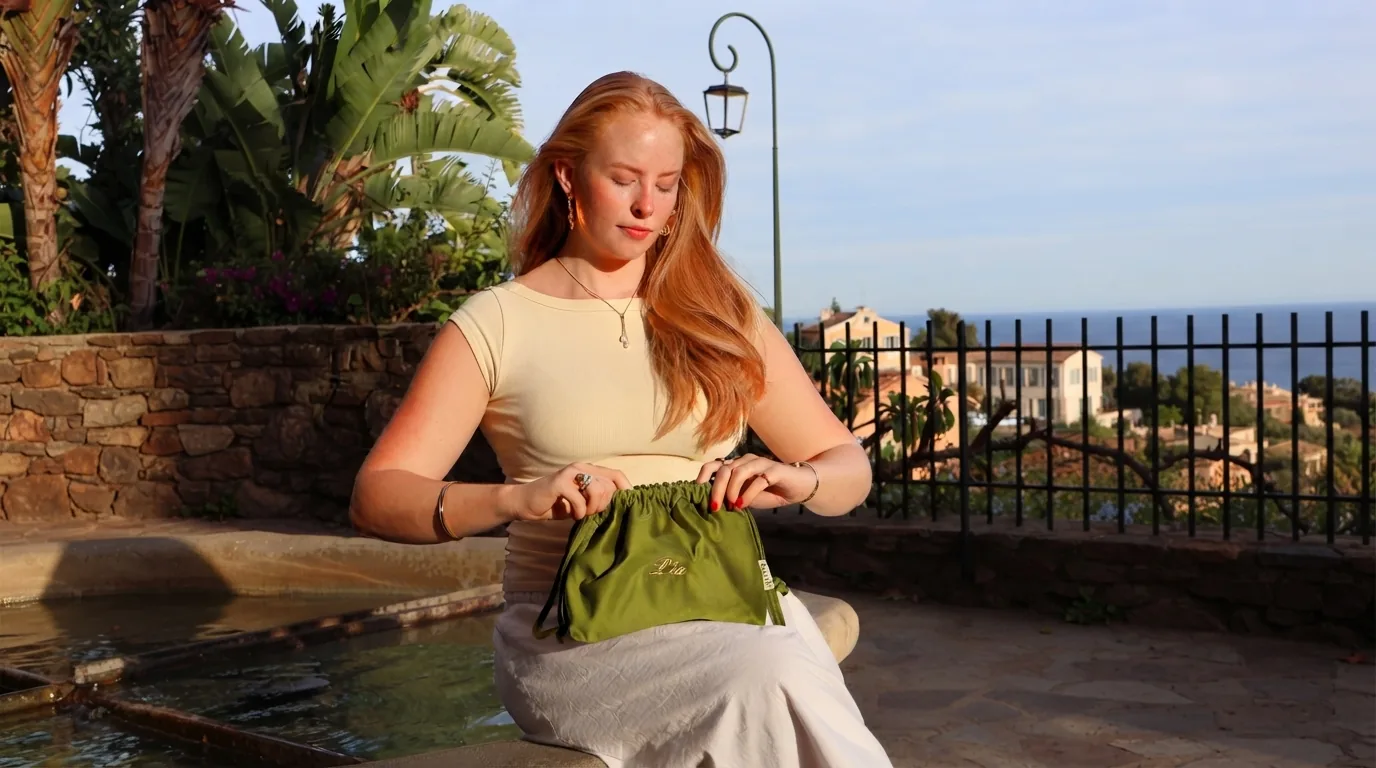
Lunch in the garden
Under the tree
At the wedding
On the bar shelf
From the last two runs
Two Buyers on Their Second Order
Both accounts placed a second order. That is the only review worth printing, which is why there are two here and not six.
David Brooks
Product Manager · United States
Our watches leave the service bench in these pouches as well as leaving the shop in them, which means the bag has to look right in a hand at a counter and survive a courier on the same day. What settled it was the stitching. The channel is straight and the seam does not pull, which I could not say about the samples we were sent before this.
Sizing was a short conversation because it was specific. We gave the case dimensions and the worst bracelet we make, and the pouch that came back fits without the watch moving inside it.
Sheen held across the reorder. Same depth of pile, same color, no drift into a duller batch — the argument I had expected to have, and did not.
Emma Rodriguez
Event Planner · United States
Five hundred pouches for a client’s anniversary dinner, stamped in gold with the date. The bag was the wrapping and the keepsake at once, and it had to pass as both.
I had one afternoon to choose a size, which is no way to buy packaging. Swatches arrived, and a straight answer came with them about which of the three sizes the giveaway belonged in — the part a catalogue cannot tell you.
It landed ahead of the date printed on it, and the foil was sharp on all five hundred. Two more events have gone out on the same build since, in a different color each time, and the pouch has not been the thing that held anything up.
Before the swatches go out
What Buyers Ask Before the First Order
None of these six is answered anywhere above. If something here is holding an order up, ask it directly and it will be answered inside a day.
01What size pouch holds a necklace and its matching earrings?
Measure the longest dimension of the piece and allow 15 mm of clearance on every side. A 45 cm chain doubled over sits in a 4 × 6 in pouch, and studs disappear in anything above 3 × 4 in, so a set usually reads as one 4 × 6 and two 3 × 4 rather than one bag for the lot. Inches are enough to quote from.
02Which lining belongs inside a silver pouch, and which inside a gift pouch?
Tarnish cloth where the piece is going to be stored, because silver and gold dull on the inside of the cloth rather than on the outside air. Satin where the pouch is presentation and the piece moves to a box the same evening. A lining is a second component sewn into the same seam, so it moves the sewing line of the quote rather than the cloth line.
03What do I send so the artwork can be used as it is?
A vector outline rather than a picture, with the strokes already at the width the route needs: 0.5 mm for a foil stamp or a deboss, 2 mm for embroidery. A raster file is redrawn here first, and the redraw comes back as a line drawing to approve before anything is priced. Pantone references rather than screen colors for anything printed.
04How do I choose between a cord, a zip and a frame clasp?
A cord or a ribbon where the pouch is opened often and closed with one pull, and where nothing inside is small enough to fall out. A zip where the pouch becomes a case and travels in a handbag, because the contents are held even upside down. A frame clasp where the bag is carried by the hand instead of kept in a drawer — on that build the closure is the point rather than an addition.
05Can one run carry more than one size or color?
Yes, and the 500-unit minimum applies to the order rather than to each variant, so a first run can be three sizes in two colors. Weight and packing follow the total count rather than the number of variants. A second mark is the one change that arrives with its own setup.
06How is the price built?
Four lines: the cloth, the sewing and the closure, the mark, and the packing. Cloth and sewing are per unit and fall as the quantity rises. The mark is the line a first order carries and a reorder does not, because an embroidery card, a screen or a stamping die is made once and filed against your pattern. Packing follows how the pouches leave — loose, or folded into a kit.
A size, a shade, a mark
Send the Details and Four Swatches Come Back
The size, the shade and what the mark has to say. Four cloths go out the same week, a sewn sample follows in 7–10 days, and the run lands in 4–6 weeks.

 VB-01
 VB-02
 VB-03
 VB-04
 VB-05
 VB-06
 VB-07
 VB-08
 VB-09
 ISO 9001
 FSC
 BSCI
 SEDEX
 LWG