

You’ve seen those clear plastic bubbles holding batteries, toys, or medications on a printed card, right?
That’s blister card packaging. It’s a simple method. A see-through plastic shell holds the product. Then it gets sealed to a printed cardboard back. Blister packaging started with medicines in the mid-20th century. It kept pills safe and fresh longer.
Now you’ll find it in almost every retail category.
This guide covers the main types of blister card packaging. You’ll learn about the materials, how it’s made step-by-step, the pros and cons, and where you see it used in retail today.
Whether you’re a brand owner exploring options or working with a custom package manufacturer, this overview will help you understand why blister card packaging remains a popular choice.
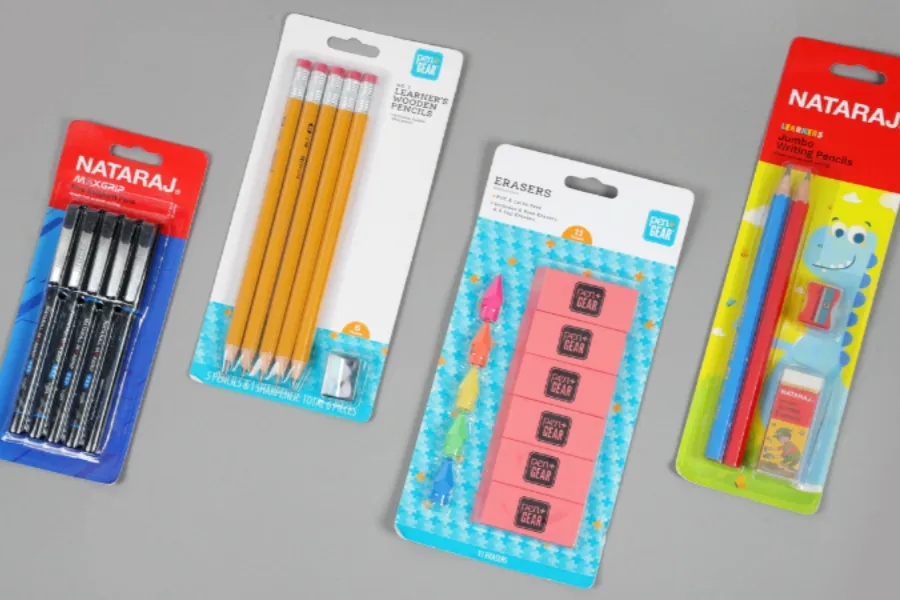
Table of Contents
- What is Blister Card Packaging?
- Types of Blister Card Packaging
- Materials Used in Blister Card Packaging
- Manufacturing Process
- Benefits and Applications of Blister Card Packaging
- Conclusion
What is Blister Card Packaging?
Blister card packaging is a retail-ready solution. It holds your product in a clear plastic blister – a custom-formed cavity. The blister seals to a cardboard backing with a special heat-seal coating. So what is blister card packaging?
It’s a great way to present, display, and protect products. Your customers can see what’s inside. This packaging is popular in retail. It stops tampering and keeps items neat.
Key Components of Blister Card Packaging
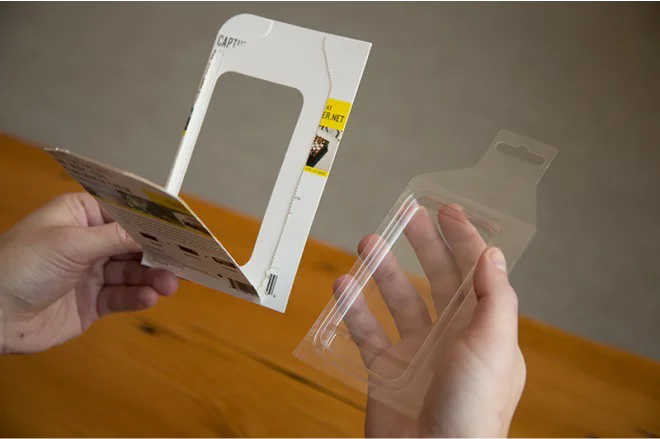
Blister card packaging has core parts that make it work. These parts affect product safety, shelf appeal, and how well it moves through your supply chain.
Essential Elements of a Blister Card Packaging System
- Plastic Blister: This clear, custom-shaped cavity holds your product in place. It protects items from tampering and environmental damage.
- Printed Cardboard Backing: The printed card gives you structure, branding space, and key product details. The card has a coating for heat sealing. This makes the plastic blister stick tight to the card.
- Heat-Seal Coating: This layer bonds the plastic blister to the cardboard. It keeps your packaging intact.
- Performance in Practice: Like critical parts in a computer or car system, each piece needs the right strength, clarity, and compliance. Choose each one with care. One weak component means lower quality. This puts product safety and your brand reputation at risk.
- Design Flexibility: Optimize each part to cut costs. You’ll speed up production and make future changes easier as your product line grows.
Focus on these core parts. Blister card packaging then delivers the security, visibility, and professional look B2B buyers expect.
What is Blister Card Packaging? Types of It
Blister card packaging comes in several main types. Each meets different product and industry needs. Know the types to boost protection, branding, and logistics.
① Carded Blister Packaging
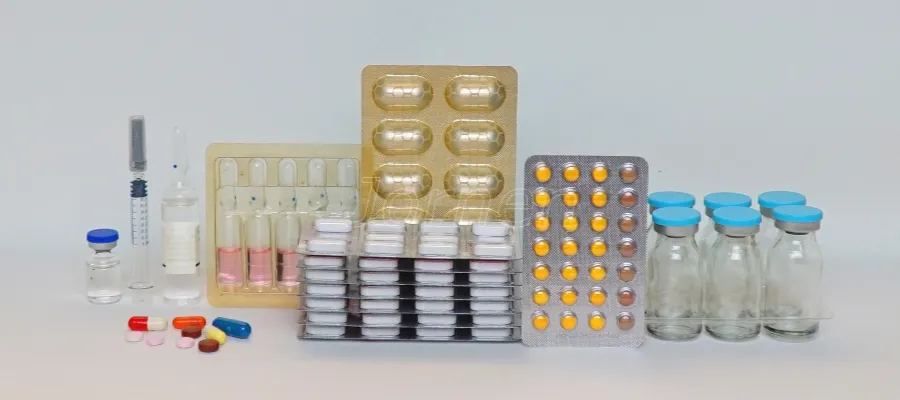
Carded blister packaging leads the market with 56.9% revenue share in 2024. This type costs less and shows products clearly—key for retail shelves. You see it used for tablets, capsules, and small electronics. The tamper-evident design adds security.
This makes it perfect for single-dose medicines. It takes up little space. Storage and shipping stay simple. The average blister card area is 57.1 cm² for elongated tablets and 52.1 cm² for round tablets.
② Clamshell Blister Packaging
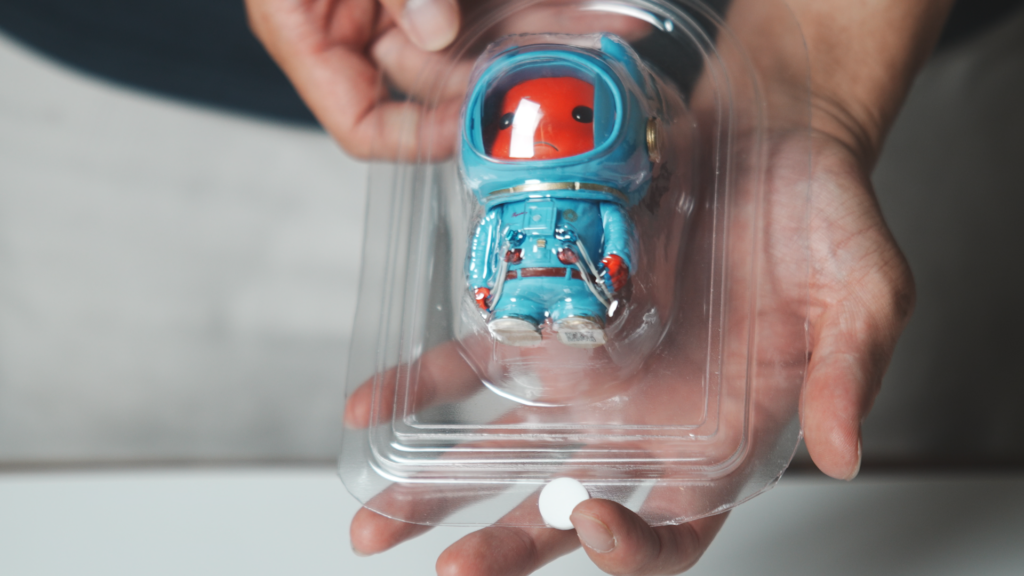
Clamshell designs give stronger protection. Plus, you can reuse them. Electronics, consumer goods, and high-value items use this format. It offers durability and clear product viewing. The strong seal keeps products safe from tampering and damage.
③ Material Innovations
Plastic-based blister packaging tops the list. It’s cheap and lasts long. Thermoformed plastic lets you pick different lids—paper, foil, or mixed options. You get safe, tamper-proof protection. Aluminum-aluminum alveoli protect light-sensitive pharma products.
But they need careful spacing and create a lot of waste. Paperboard and compostable materials are growing in demand. Regulators want more sustainable packaging options.
What is Blister Card Packaging? Materials Used
Understanding blister card packaging materials is vital for your business. The packaging market faces rising costs. General material prices will jump 10-12% through 2025, depending on the manufacturer. This affects your budgeting and procurement.
High-performance packaging requires close attention to material trends. Sustainable solutions are surging. Healthcare and manufacturing demand is growing. This means plastic, paperboard, and specialty films may cost more. Constraints and environmental policies drive these increases.
Key Input Materials
- Plastic Films: Clear blisters use thermoformed plastics like PVC, PET, or RPET. These materials give you display clarity and product durability.
- Paperboard: This serves as the main backing. It’s printed for branding and coated for heat sealing. Paperboard costs shift often. Sustainable, recycled options are growing, which impacts prices.
- Specialty Coatings: These handle the sealing process. They must resist tampering and environmental stress.
- Metals/Foils: High-security or pharmaceutical packs sometimes use these. Aluminum costs shift with global steel and metal price trends.
Expert Insight: From my experience in packaging, I've seen consistent price increases for blister card materials like PVC, PET, and paperboard into 2025, driven by supply issues and rising demand for sustainable options.
To manage costs effectively, track supplier trends closely and explore recycled or bio-based alternatives—they help control expenses while meeting evolving eco-regulations and customer expectations.
Ayush Mittal, Managing Director
What is Blister Card Packaging? Manufacturing Process
Blister card packaging is rapidly evolving with automation, sustainable materials (e.g., recycled PET, paper-based blisters), and eco-friendly designs to meet regulations.
▶ Design & Mold Creation: Custom design via CAD; aluminum or resin molds made for precise product fit.
▶ Blister Forming: Heat plastic sheet (PVC/PET or sustainable alternatives) and thermoform into cavities using vacuum/pressure.
▶ Card Printing: Print paperboard with graphics/branding; apply heat-seal coating (often recycled/FSC-certified board).
▶ Product Filling: Manually or automatically place items into blister cavities.
▶ Sealing: Align blister with card and heat-seal under controlled conditions; high-speed automated lines common.
▶ Cutting & Finishing: Cool, die-cut into individual cards (with hang holes/perforations for easy opening).
▶ Quality Control: Automated inspection for defects; final cartoning for distribution.
Benefits and Applications of Blister Card Packaging
What is blister card packaging? It’s more than just retail presentation. This packaging gives you a clear, tamper-evident display. Buyers trust what they can see. Plus, it stops theft. B2B buyers love it for simple logistics. Products stay organized. Counting is easy.
Scanning at checkout takes seconds – critical for high-volume sales.
Why Choose Blister Card Packaging?
- Enhanced Product Security: The sealed blister keeps your goods safe. They survive shipping. They last through storage. They look good on shelves.
- Regulatory Compliance: Healthcare and electronics sectors have strict rules. This packaging meets safety standards. It meets labeling requirements. The clear window lets buyers check product quality before they accept delivery.
- Cost Control: Blister packaging cuts costs. Less product damage means fewer returns. Tamper resistance reduces waste.
- Efficient Inventory Management: You can see what’s inside. Standardized packs make stock checks faster. Shrinkage drops.
- Versatile Applications: Blister card packaging works across industries. Pharmaceuticals use it. Electronics companies rely on it. Hardware stores stock it. Consumer goods brands trust it. Every sector gets custom-fit, eye-catching presentation.
Blister card packaging offers flexibility and cost savings. Clarity matters too. Growing businesses need all three. Stock retail shelves or fill large B2B orders – this packaging protects reliably and fits your workflow.
Conclusion
Blister card packaging works well for product display, security, and efficiency. Many industries use it. It fits today’s e-commerce needs. Plus, it matches sustainability trends. Your business gets a future-ready choice.
Looking at packaging options for your business? Blister cards can lift your brand while meeting safety rules. They balance protection, display power, and the polished look customers want.
Need custom blister card packaging or custom boxes? We offer retail packaging solutions too. Reach out to us at leelinepackage.com or info@leelinepackage.com. We’ll help you find the perfect fit for your products.
Related Resources:
- What Is Texture Paper? A Complete Guide
- What Is a PR Package? An Expert Guide to Brand Success in 2025
- Best 10 Tin Box Manufacturers in India: Ranked List
People Also Ask About What Is Blister Card Packaging
1. What materials are commonly used in blister card packaging?
The blister is typically made from clear plastics like PVC or PET for visibility and formability. The card is usually paperboard or cardboard with a heat-seal coating, sometimes aluminum foil for added barrier protection.
2. What are the main advantages of blister card packaging?
It offers high product visibility to attract buyers, tamper evidence and theft deterrence, cost-effectiveness, ample space for branding, and protection from contamination or damage while being lightweight for shipping.
3. What products are commonly packaged in blister cards?
Common uses include small consumer goods like toys, electronics, batteries, hardware tools, cosmetics, fishing lures, and some pharmaceuticals or over-the-counter medications
4. Is blister card packaging environmentally friendly?
Traditional versions use mixed materials (plastic and card) that can be hard to recycle. However, sustainable options like recyclable PET, cardboard-only blisters, or reduced plastic designs are increasingly available.