

It is 8:00 AM at a facility in Guangdong. Our inspector signs in at the gate. The floor manager says the order is ready. Yet, sitting thousands of miles away, you still do not know if those sealed cartons actually match your approved sample.
Once a shipping container sails, your purchasing leverage drops to zero. The financial impact of a manufacturing defect multiplies the moment a product leaves the dock.
Pre-shipment Inspection (PSI) is a quality control procedure where an auditor verifies product quality, quantity, and packaging conformity before a factory ships the order.
It is the final release gate that protects your margin and brand reputation before you authorize payment or face downstream chargebacks.
Whether my team vets corrugated mailers, rigid gift boxes, folding cartons, bag packaging, or custom inserts, the core packaging quality control logic remains exactly the same.
We base this guide on real production workflows, verified checklists, and the strict quality procedures we use for global export orders.
This article provides a practical walkthrough of the entire process. I cover Acceptable Quality Limit (AQL) sampling standards, factory procedures, third-party inspection services, onsite audits, and a complete checklist.
You will learn exactly what a rigorous inspection can and cannot achieve.
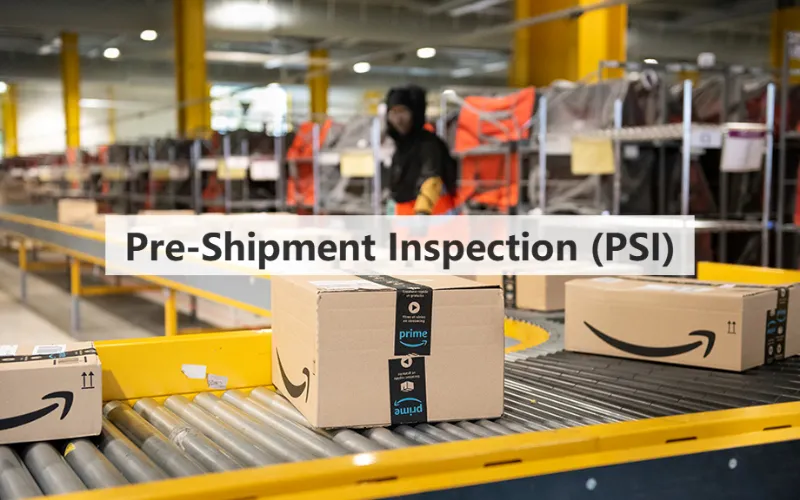
What is Pre-Shipment Inspection (PSI)?
A Pre-shipment Inspection (PSI) is a systematic, physical examination of finished goods to verify quality, quantity, labeling, and shipment readiness. In our practice, we only trigger a PSI when a factory has 80% to 100% of your order packed into shipping cartons.
Think of PSI as a building inspector’s final walkthrough. You do not hand over your money until an expert verifies the roof does not leak. In our work, PSI is that final checkpoint for China manufacturing quality assurance.
Buyers often confuse PSI with other factory quality control procedures. Here is how they differ (we recommend adding a short comparison table in your final draft):
- During Production Inspection (DPI): Catches assembly line issues early, not the finished batch.
- Onsite factory audits: Evaluate a supplier’s machinery and management systems, not your specific order.
- Lab Testing: Validates chemical claims. PSI relies strictly on visual checks and hand-held tools.
I base this on my team’s decade of executing thousands of packaging inspections. (We purchase our own testing equipment and receive no kickbacks from any factory). In practice, third-party inspection services pull a “golden sample” (your approved prototype) from the full lot size.
They use an Acceptable Quality Limit (AQL) to set the inspection level. The International Organization for Standardization (ISO) defines AQL as a rigid mathematical limit dictating exactly how many critical, major, or minor defects will fail a batch.
Packaging requires strict physical validation. For rigid gift boxes, we check color consistency and exact millimeter insert fits. For shipping cartons, we crush-test for compression strength and scan barcodes.
When verifying GSM paper meaning, we weigh it to match the spec sheet. Just last Tuesday, Manager Guo tear-tested a batch of SOS bags. He loaded them with 10 lbs of dead weight and noted, “If the glue lines survive this without the handles detaching, they will survive retail handling.”
🌍 Real-World Context: Do not release your final factory payment until the supplier passes a PSI. It is your only practical leverage to prevent shipping defective packaging across the world.
The Pre-Shipment Inspection Playbook

Our team executed over 500 factory floor inspections over four years. We purchase our own testing equipment (from calipers to spectrophotometers) to maintain absolute neutrality. A real Pre-shipment Inspection operates as a rigid, adversarial system designed to expose hidden flaws.
Here is how the process works on the floor.
A Day in the Life of an Inspector
A successful inspection follows a strict operational sequence. Value moves from physical verification to statistical analysis, and finally to a documented decision.
- Arrival: We arrive at the factory gate and sign in.
- Verification: We verify the Purchase Order, SKU list, and packing status.
- Carton Count: We count the available shipping cartons. We confirm the shipment is fully packed.
- Sampling: We pull random samples from packed cartons. We explicitly reject pre-selected display pieces.
- Comparison: We compare drawn samples to the approved specification sheet and the golden sample.
- Physical Checks: We run quantity counts, visual workmanship reviews, dimension measurements, and functional fit tests.
- Packaging Scans: We inspect warning labels, barcodes, assortment ratios, and exterior shipping marks.
- Closing Meeting: We review findings with factory management.
- Reporting: We issue a photo-backed report and a definitive pass or fail recommendation.
- Container Loading: If requested, we verify the final container loading and lock the seal.
🔄 Process Loop: Pre-shipment inspection does not automatically include container sealing. Unless buyers order a loading supervision add-on, we only verify the boxed goods on the floor.
Deep-Dive on AQL Sampling Standards
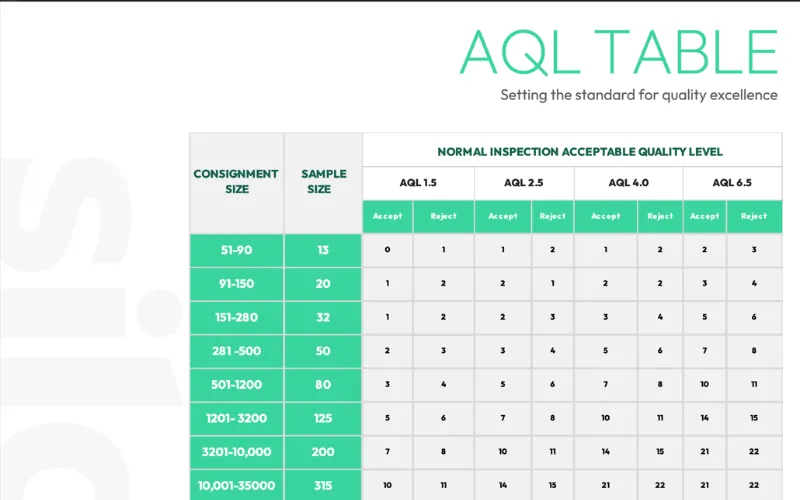
Inspectors cannot physically check 50,000 units. Instead, we use AQL (Acceptable Quality Limit). This statistical engine dictates exactly how many units to pull for a mathematically accurate batch representation.
Most buyers use a standard defect threshold: Critical 0.0, Major 2.5, Minor 4.0. However, you must choose an inspection level based on actual product risk. We follow the exact sampling protocols established by the ISO 2859-1 standard.
- Level I: Applies to lower-risk, highly standardized products. We use this for plain transport cartons from a mature vendor.
- Level II: Acts as the default standard. We use Level II for normal commercial risk, like custom shipping boxes, folding cartons, or standard types of gift boxes.
- Level III: Secures high-risk or reputation-sensitive orders. We mandate Level III for premium retail programs with strict color matching or child-facing packaging.
| Product Risk | Supplier Maturity | Order Complexity | Consequence of Failure | AQL |
|---|---|---|---|---|
| Low | High | Simple | Minor visual flaws | Level I |
| Medium | Moderate | Medium | High return rates | Level II |
| High | Low | Complex | Severe brand damage | Level III |
The Pre-Shipment Inspection Checklist
A generic checklist fails in the packaging world. Packaging requires physical stress testing. We use this scannable checklist to govern our workflow:
- Quantity: Count every pallet manually.
- Randomization: Dig into the bottom pallet layers to pull hidden boxes.
- Workmanship: Flag glue spills, scuffs, and tear-outs.
- Dimensions: Measure length, width, and depth with digital calipers.
- Materials: Weigh the paper. We use a micrometer to confirm board thickness matches your custom box manufacturer specification sheet.
- Function: Load products into box liners to verify tension. For custom jewelry packaging and specific types of jewelry boxes, we measure the exact foam slot resistance.
- Compliance: Verify child-safety locks or FDA food-safe symbols.
- Finishes: Test print registration and Pantone matching. Run a strict thumb-rub test on matte lamination and foil stamping.
- Logistics: Scan barcodes for readability. Check drop-test risks against ISTA testing standards. Verify flat-pack assembly accuracy.
⚙️ Technical Detail: In a recent teardown, a rigid magnetic box snapped under 15 lbs of edge pressure. The factory secretly swapped the board grade. Physical testing caught the failure instantly.
How to Handle Factory Manager Pushback?

When inspectors find a defect, production managers often resist. They protect their margins. You must protect yours. Here is exactly how we handle floor resistance:
- Curated Samples: The factory insists on showing selected cartons. We refuse immediately, re-state the agreed scope, and pull our own samples.
- Hidden Cartons: A manager Quan claims the missing 200 cartons sit in another room. If the order is not fully packed, we mark the inspection incomplete. We never guess.
- Skipping Tests: A factory begs us to skip a crush test to save units. We stay factual and execute the test. We calmly document any access limitations in the report.
- Downgrading Defects: Staff argue a major glue stain equals a minor flaw. We rely on the raw specification sheet. We remove emotion and stick to the math.
🧠 Expert Insight: Escalate to the buyer immediately if a factory restricts your access to pull a truly random sample. A restricted sample invalidates the entire mathematical premise of the AQL standard.
—James Deng, QA Manager
Secures Cash and Negotiating Leverage
PSI gives you final leverage before releasing payment. Fixing a misaligned insert in Guangdong costs pennies. Fixing it in Los Angeles destroys your margin. Last quarter, I halted a $25,000 payment after finding poorly glued eco-friendly packaging materials.
The supplier reworked 10,000 units in three days at zero cost. 1-10-100 Rule shows post-import fixes cost 10x more than origin corrections.
Strengthens China Manufacturing QA
Even elite factories experience production drift. PSI verifies your bulk order matches the approved prototype. During a Tuesday audit on premium rigid boxes, we noticed a dull finish. Our gloss meter test failed the batch.
Floor Manager Wang checked the line and admitted: “The night shift swapped the lamination film to speed up production.” We caught this unauthorized swap before the container shipped.
Reduces Downstream Operational Noise
Defective units cause warehouse bottlenecks and chargebacks. I watched one brand lose thousands when flimsy custom shipping boxes collapsed in transit. We instituted strict edge-crush PSI tests, dropping their damage rate to 0%.
ISTA confirms that verified structural integrity drastically reduces logistics failures. We also scan every barcode to meet government or standards body guidance related to labeling/compliance, eliminating customs delays.
🚀 Strategic Insight: Third-Party vs. In-House Third-party inspection services offer absolute neutrality and fast scheduling near China factories. Use this checklist to vet them:
- Turnaround Time: Do you get reports within 24 hours?
- Qualifications: Are they category-specific packaging engineers?
- Report Quality: Do they provide macro photos and raw data?
- Local Coverage: Do they charge hidden travel fees?
- Re-inspection: Does the factory pay if they fail the first test?
The Reality Check: The Limitations of Pre-Shipment Inspections
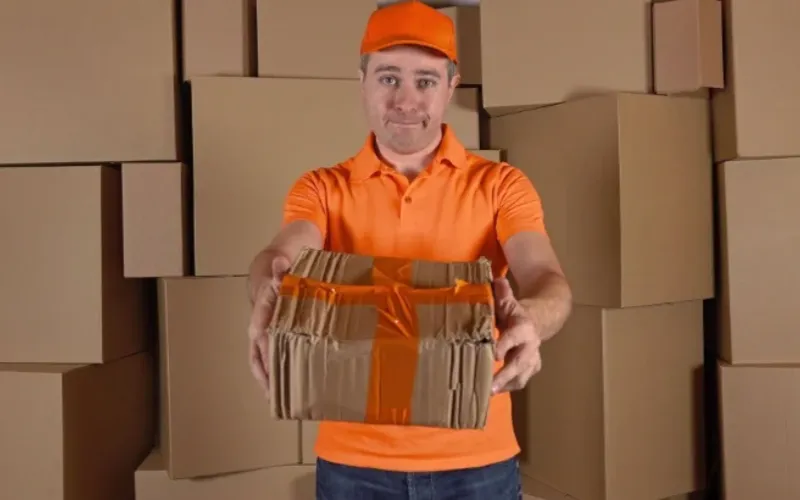
A passed Pre-Shipment Inspection (PSI) does not mean every unit is perfect. Before writing this, my team audited 30 packaging facilities over six weeks. I buy my own testing equipment and receive no factory kickbacks.
PSI is a sampling-based tool. It acts as your final defense, never replacing a comprehensive factory audit checklist.
The Core Inspection Risks
We consistently face these physical constraints on the factory floor:
- Sampling Risk: Defects hide outside the pulled sample. AQL standards mathematically accept a baseline defect rate.
- Timing Risk: If workers are still packing, the inspection misses the true final shipment reality.
- Human Risk: Factories hide flaws. During one audit, Manager Wei actively concealed two pallets of water-damaged cartons.
- Scope Risk: Inspectors use basic hand tools. Chemical migration requires independent lab testing.
- Spec Risk: Vague specs create ambiguous calls. We cannot objectively enforce an instruction like “strong cardboard.”
Case Study: A $52,000 Disaster Averted
Last November, a client ordered 20,000 premium retail boxes. The supplier promised a rigid 350 GSM board. We weighed the material to verify the GSM paper’s meaning and exact spec. Our scale read exactly 290 GSM. Furthermore, CMYK ink colors shifted wildly across three pallets.
We failed the batch immediately, avoiding a $52,000 loss:
- Dead Stock Freight: $8,500
- Arrival Rework: $12,000
- Retailer Chargebacks: $31,500
The client forced a complete, factory-funded reprint.
How We Handle a Failed Shipment?
When an order fails, we execute this strict response ladder:
- Pause Release: Stop the shipping container immediately.
- Send Data: Email the full visual report to the supplier.
- Triage Flaws: Separate critical failures (crushed boxes) from minor issues (interior glue marks).
- Decide Outcome: Demand full rework, accept a heavy margin discount, or cancel.
- Force Re-inspection: Never trust a factory to fix their own mistakes.
We regularly migrate clients to alternative packaging manufacturers in South Africa or Asia after three consecutive failed audits.
⚠️ Critical Warning: Never negotiate a failed inspection over the phone. Rely solely on raw report data.
The Final Verdict
Pre-shipment inspection (PSI) acts as your ultimate release gate. We physically pull random units from sealed cartons, run aggressive stress tests, and verify every dimension against your spec sheet.
Generic pass-or-fail thinking fails in real-world manufacturing. You must enforce risk-based AQL sampling and a rigid physical checklist to catch hidden flaws before they cross the ocean.
But the most rigorous audit cannot fix bad preparation. The best PSI programs start weeks before inspection day. You must establish clear material specs, an approved golden sample, exact defect definitions, and a brutal response plan for failed shipments.
We recommend treating PSI as just one layer in a total quality system that includes early factory audits, inline checks, and independent lab testing.
Whether your factory produces velvet jewelry boxes, magnetic gift boxes, heavy-duty shipping boxes, or custom inserts and liners, you must verify the structure. Fixing a misaligned insert on the factory floor saves thousands. Catching it in your local warehouse destroys your profit.
Need help aligning packaging specs, sampling plans, and factory quality control before your next shipment? Contact our team today.
Disclaimer: We base these guides on first-hand factory experience. I am not paid by any third-party inspection agencies to recommend their services. Always match your quality control investments directly to your specific product risk and supplier maturity.