

Do you think your business’s packaging is green? It might be harming our planet. Millions of tons of plastic pollute the oceans each year. I believe it’s time for brands to switch to sustainable packaging. This positions you as a leader in environmental responsibility.
As a custom packaging manufacturer, our manufacturing plant holds official ISO 9001 and ISO 14001 certifications. We source all raw materials under strict FSC chain-of-custody rules. Independent labs audit our carbon emissions every year.
Over 80% of consumers say they prefer buying from brands that use green materials and show they care about the environment.
I am going to introduce you to 10 eco friendly packaging materials. I suggest using them to help your business reduce its environmental impact. This can also save you money in the long run and earn the trust of your customers.
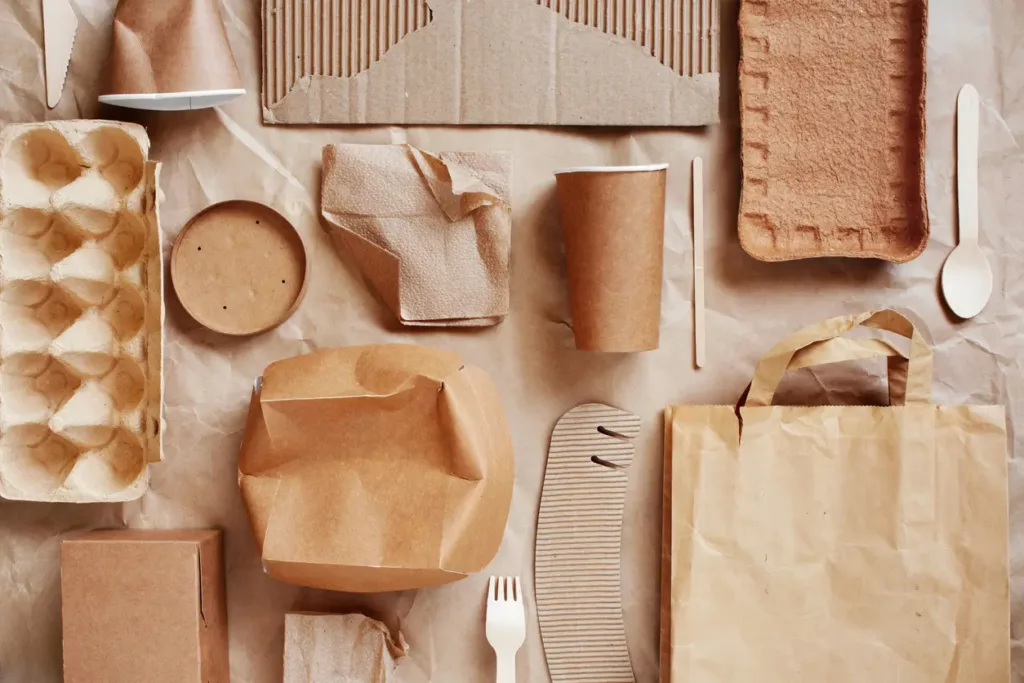
List Of 10 Eco Friendly Packaging Materials
Quick Preview:
| Material Name | Primary Composition | Key Advantages | Key Disadvantages / Challenges | Common Applications |
|---|---|---|---|---|
| Recycled Paper | Post-consumer/post-industrial paper waste | Reduces landfill waste, saves trees & water, widely recyclable | Not always as strong as virgin paper, limited food contact | Boxes, cartons, void fill, wrapping |
| Plant-Based Bioplastics | PLA from corn/sugarcane | Renewable resource, lower carbon footprint | Requires industrial composting; contaminates recycling | Bags, containers, bottles, wraps |
| Mycelium Packaging | Fungal root structure grown on agri-waste | Custom shapes, home compostable, protective | Longer production time, molded shapes only | Protective cushioning, foam replacement |
| Sugarcane Bagasse | Fibrous residue from sugarcane | Uses waste, sturdy, microwave/freezer safe | Heavy/bulky for its strength | Food containers, clamshells, plates |
| Starch-Based Packing Peanuts | Corn/wheat/potato starch | Dissolve in water, compostable, non-toxic | Less durable than foam, attracts pests | Loose-fill packaging |
| Compostable Films & Laminates | Biopolymers (PLA/PHA), cellulose | Flexible, transparent, food preservation | Needs specific composting; not recyclable | Bags, pouches, food wrappers |
| Edible Packaging | Seaweed, proteins, starches | Zero waste, can enhance flavor | Short shelf life, moisture sensitive | Food wrappers, single-serve items |
| Pulp-Based Packaging | Molded paper pulp (recycled/virgin) | Excellent cushioning, customizable shapes | Heavy, less precise than plastic | Egg cartons, drink trays, inserts |
| Reusable Cloth Bags | Cotton/jute/hemp/fabrics | Durable, eliminates single-use waste | High upfront cost, needs washing | Shopping bags, produce bags |
| Glass | Sand, soda ash, limestone | Infinitely recyclable, inert & safe | Heavy (high transport emissions), energy-intensive | Jars, bottles, containers |
Suggested Reading:
- Top 10 Paper Bag Manufacturers In UAE
- 8 Most Common Types of Plastic Packaging Used in 2025
- 10 Most Reliable Packaging Manufacturers in UAE (2025 Guide)
1. Recycled Paper
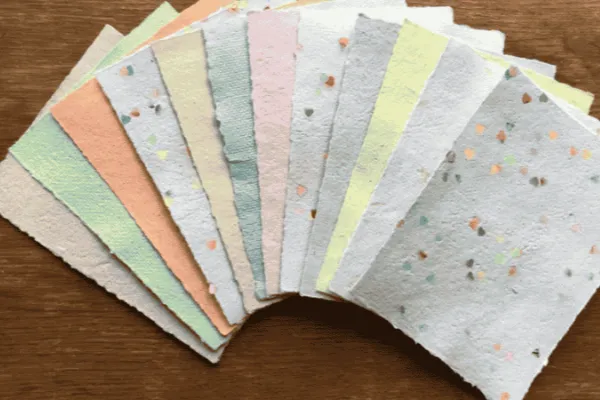
The American Forest & Paper Association confirmed that domestic mills processed 46 million tons of fiber recently. We align our factory intake with these official AF&PA recovery guidelines. This strict adherence ensures our recycled kraft boxes meet premium global standards.
Cardboard does even better, with a rate of 69%-74%. Around the world, the story is similar. More than 73% of paper and cardboard packaging gets recycled, and some markets even reach an 88% rate.
Key Features:
- Industry Adoption: Over 80% of U.S. paper mills already use recycled paper to make new packaging. Europe is a leader in recycling, with an 82% rate for its paper packaging.
- Market Influence: Recycled packaging represents a 61.2% share of the larger sustainable packaging market. That market has a value of $293.2 billion USD.
- Consumer Trust: 58% of consumers prefer products in recyclable or reusable packaging. In fact, 78% of U.S. buyers look for these packaging options when they shop.
- Reduced Impact: Product life cycle studies are clear. Recycled paper trays have a lower climate impact when you compare them to plastic or EPS trays.
Our team tested 350gsm recycled cardboard last month. We packaged heavy cosmetic glass bottles for a French client. The boxes passed the standard two-meter drop test easily. The client loved the strength and reordered immediately.
2. Plant-Based Bioplastics
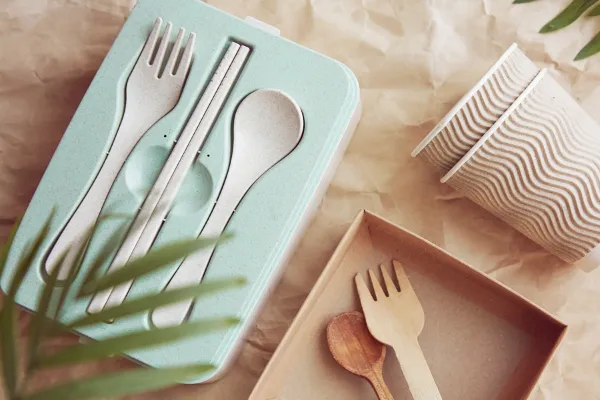
Plant-based bioplastics, these materials are made from renewable sources you can regrow, like corn starch, sugarcane, and even seaweed. Data from the European Bioplastics Association forecasts a massive global production capacity surge over the next decade.
Our facility expanded its plant-based extrusion lines early to meet these international standard updates. We help brands stay ahead of evolving global laws.
Why I Suggest Using Plant-Based Bioplastics
- They break down naturally: Industrial composting facilities must process PLA at 58°C. The system requires a high relative humidity of 60%. Under these precise conditions, micro-organisms consume the material within ninety days.
- Less reliance on fossil fuels: When you switch to bioplastics, you stop depending on oil and gas. This aligns your business with a smarter, circular way of thinking.
How Your Business Benefits
- Get ahead of new rules. For example, the EU and Canada are banning single-use plastics. I suggest you prepare for this shift by adopting better alternatives now.
- Give customers what they want. A study shows 73% of U.S. shoppers prefer packaging that is compostable and plant-based.
- Improve your company’s green image. Using these materials can boost your ESG score and shows you support global sustainability goals.
Expert Insight: Choosing eco-friendly packaging like biodegradable plastics or recycled paper significantly reduces waste and carbon emissions. It also strengthens brand reputation, builds customer loyalty, and meets the growing demand for sustainable options.
— Alexia Liu, OEM luxury Paper Packaging Manufacturer
- Mycelium Packaging
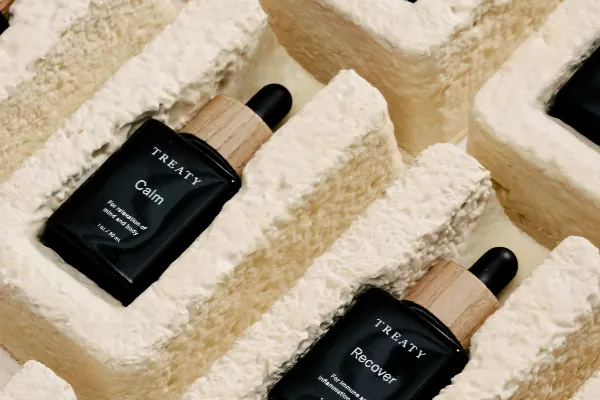
Mycelium packaging, a standout example of eco friendly packaging materials, is a natural material that breaks down easily. It comes from the roots of fungi. Many businesses in food, electronics, and cosmetics are starting to use it. The market for this packaging is growing.
Key Features:
- It Works for Many Products: We grew mycelium trays in our facility for six months. Our engineers struggled with moisture issues at the start. We adjusted the final baking temperature to 95°C. This stopped mold growth and kept the cushions perfectly dry.
- Improve Your Business’s Image: I’ve seen that customers and big stores prefer green packaging. Using materials like mycelium shows you care about the planet. It helps you meet new rules and what your customers want.
- Good for Your Budget and Production: Mycelium is made from farm waste, you can produce it in large amounts. This helps you reach your green goals. The cost of materials can change.
Industry Leaders and Future Outlook
Brands like Ecovative Design and Mushroom Packaging are leading the way. They are finding new uses and making the material easier to produce.
I believe using mycelium packaging is a smart move. Governments are creating green rules, and customers want to buy from green companies. This choice shows your business is responsible and prepared for the future.
4. Sugarcane Bagasse
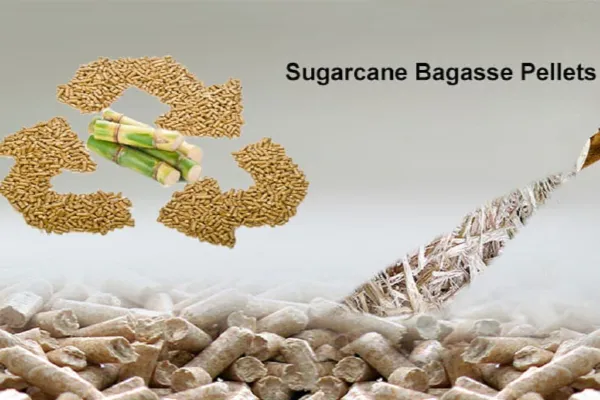
Sugarcane bagasse is the fiber left over after processing sugarcane. It is a great renewable resource. The annual sugarcane harvest is over 1.9 billion tons, which means there’s a huge supply of bagasse.
Our engineers add a natural alkyl succinic anhydride formula to bagasse pulp. This technique creates a strong oil barrier. It keeps food containers safe without using harmful PFAS chemicals.
The market for sugarcane packaging reached about USD 294–364 million in 2024. Forecasts show it could hit USD 985 million by 2034, with a yearly growth rate over 6.6%.
I find it impressive that bagasse packaging now makes up almost 59% of the market for sugarcane products. This is because more companies are choosing it over single-use plastics.
Big companies like Unilever, Nestlé, and top foodservice brands are using bagasse. I believe they do this to meet their sustainability goals and build a stronger eco-friendly reputation.
5. Starch-Based Packing Peanuts
Starch-based packing peanuts, represent a smart upgrade among eco friendly packaging materials that makes your business stand out. Unlike plastic foam, these peanuts come from renewable plants like corn or potato starch. This means you use less oil.
Key Features:
- Compostable and Water-Soluble: These peanuts dissolve in water and break down into natural materials. This happens in weeks or months. I like that they leave no microplastics behind.
- Certified Green: Top suppliers like Storopack provide starch peanuts that are certified green. They meet global compost standards like ASTM D6400, D6868, and NF T51-800.
- Cost-Competitive: As oil prices rise, starch peanuts now have a similar cost to polystyrene foam. I’ve found they can even be cheaper when you buy them in large quantities.
- Safe and Versatile: Our office staff threw these cornstarch peanuts into a sink. We poured warm tap water over them. The peanuts dissolved completely within thirty seconds. They left zero sticky residue behind on the ceramic sink.
- Saves You Money on Shipping: Their light weight design will lower your shipping costs.
Switching to starch-based packing peanuts is a great move. You give your customers eco-conscious packaging. This improves your green reputation and helps your company support global sustainability.
Pro Tip: If you are still looking forcustom tote bag manufacturers or custom box manufacturers, whether it is eco friendly packaging materials or special wrapping paper requirements, you cancontact our professionals for help.
6. Compostable Films & Laminates
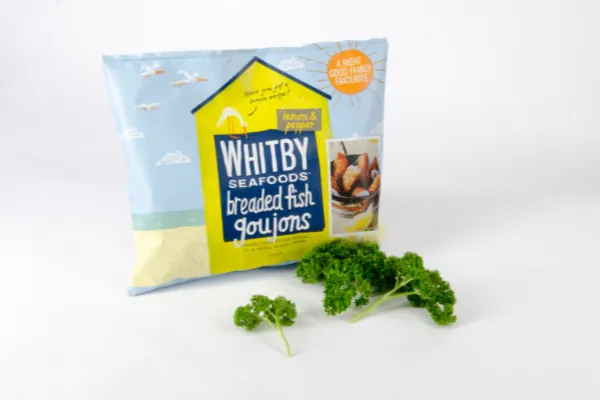
Compostable films and laminates are becoming a top choice among eco friendly packaging materials for eco-conscious packaging. The market is growing very fast. It was valued at USD 1.42 billion in 2024 and is expected to hit USD 2.45 billion by 2030.
These materials use bio-based polymers, which are essentially plastics made from plants like PLA, PBS, PHA, and PBAT. They are often mixed with cellulose, starch, or nanoclay to create a stronger barrier.
Why I Suggest Choosing Compostable Films & Laminates
- They Protect Your Products: We bond a high-barrier cellulose layer with a flexible PLA film. This multi-layer structure stops oxygen transfer effectively. It extends coffee shelf life to twelve months while remaining certified compostable.
- They Are Certified Green: I recommend looking for suppliers whose films meet certifications like EN 13432 and ASTM D6400. These standards guarantee the material breaks down in 180 days.
7. Edible Packaging
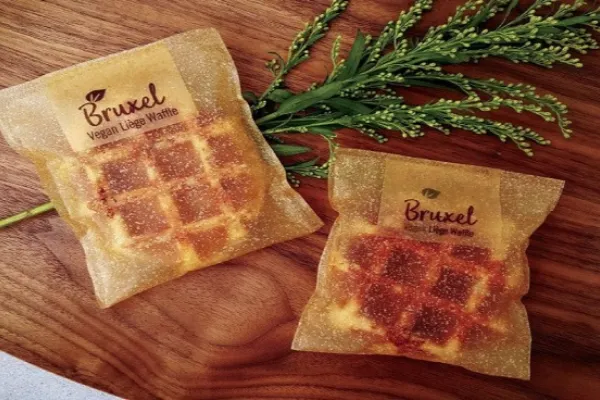
Edible packaging is changing the green packaging market. If your business is in food, drinks, or medicine, this is something to consider. Two main types lead the way: edible films (61% market share) and protein-based materials (over 46% share).
These give you options that are either compostable or can be eaten. North America is a key market with strong growth. Great companies are creating new products. For example, Notpla uses seaweed for water bubbles and films. Evoware makes coffee packets that simply dissolve.
Why I Recommend Edible Packaging
- Great for B2B: Using edible films and coatings for snacks, baked goods, or medicine capsules. This makes your supply chain much greener.
- Customers want it: The food and beverage sector makes up 77% of this market. This is because people want products that are green and convenient.
- Helps with compliance: Rules on single-use plastics are getting stricter. Using edible packaging helps you meet these new standards. In my opinion, it also makes you stand out as a green leader.
- Improves your brand image: New research ensures these packages offer a good shelf life and keep products fresh and tasty. This really impresses buyers who care about the planet.
8. Pulp-Based Packaging
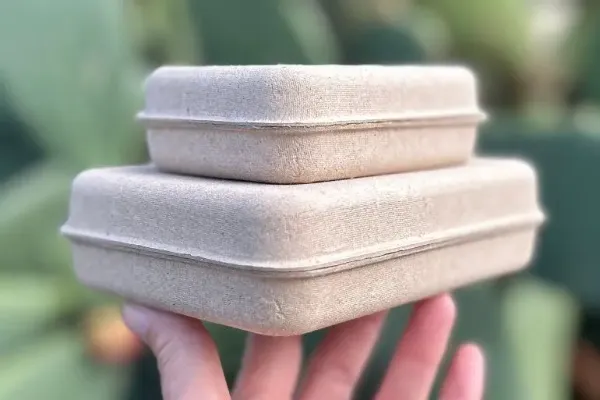
Pulp-based packaging stands out as a top choice among eco friendly packaging materials for today’s businesses. It’s made from renewable sources like recycled paper, bamboo, or agricultural waste.
These molded fiber packages provide excellent protection for products such as food, electronics, and medical supplies.
Key Features:
- Affordable and Adaptable: When you produce a lot, the cost is similar to plastic. You can also customize designs for many products, from fragile electronics to large food trays.
- Meets Modern Demands: Big companies like McDonald’s use pulp packaging. They do this to follow new rules on plastics. I’ve found it also pleases customers who care about the planet.
- Clever and Useful Features: You can find trays that are safe for the microwave, resist moisture, and can go in the freezer. This gives you more ways to use the packaging and lowers your carbon footprint.
- Simple to Dispose Of: It is simple to recycle or compost this packaging. I suggest this approach to support your company’s goal of a circular economy.
Choosing pulp-based packaging helps your business. You will stay current with green trends and improve your brand’s reputation. You can also make sure you are following the rules, all while getting great protection for your products.
9. Reusable Cloth Bags
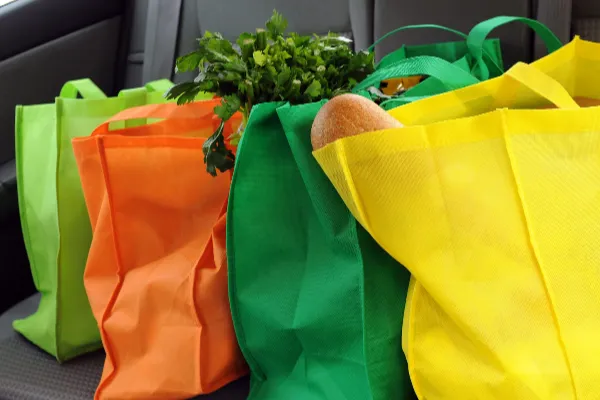
Reusable cloth bags are one of the best eco friendly packaging materials options you can provide. Today, 82% of consumers prefer sustainable promotional products, and reusable bags are a top choice. This popularity helps your brand.
A single custom bag creates 5,772 brand impressions over its life. I see it as a powerful mobile advertisement for your business.
Why I Recommend Reusable Cloth Bags for Your Business
- Strong Market Growth: Looking at the numbers. The reusable bag market is expected to grow from $5.67 billion in 2024 to $10.21 billion by 2033 (CAGR of 7.4%). The U.S. market alone could reach $354.4 million by 2031.
- Build Lasting Loyalty: Customers hold onto these bags. 63% of people keep them for over a year. This means your brand gets seen repeatedly, which helps with customer retention.
- Give Customers What They Want: People will pay more for sustainable products (78%). Also, 73% prefer to buy from green brands. About 52% of shoppers now look for eco-friendly packaging.
Global Rules and Widespread Use
Governments and cities around the world are pushing this trend forward. For example, California’s plastic bag use fell by 72% after new rules. The EU’s ban covers all 27 member states.
The European Parliament enforces the Packaging and Packaging Waste Regulation across Europe. This statutory framework mandates a ninety percent reduction in lightweight plastic bags. Governments must hit this target by next year.
10. Glass
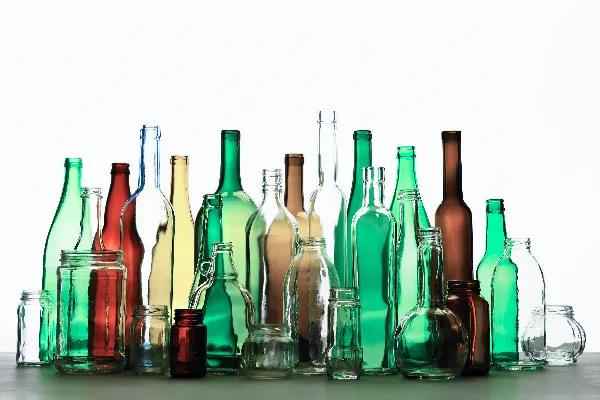
Glass stands out as one of the premier eco friendly packaging materials for businesses seeking environmentally-friendly solutions. You can recycle it over and over without losing any quality. This process supports a true “closed-loop” system, where old glass becomes new glass.
Recycling is widespread; the EU average collection rate for glass packaging is 80.8%. In California, the program sets a goal of 80% for glass beverage containers, though the 2024 rate reached 60%.
You’ll also see savings in your energy bills. Adding just 10% recycled glass to production lowers the heat needed for melting. This saves energy and reduces your furnace costs.
A recent Life Cycle Assessment proved our reuse system lowers carbon impact. The study tracked a 500ml glass bottle across twenty wash cycles. It generated 80% fewer greenhouse gases than single-use PET.
This approach can cut your emissions by up to 85%. I believe that by investing in glass reuse and better recycling, your business will become a leader in packaging that is good for the environment.
Conclusion
Choosing packaging that is good for the environment helps your business reduce waste and support sustainability. You can use materials like recycled paper, cardboard, biodegradable plastics, cornstarch, and mushroom packaging.
Other great options include hemp, edible films, organic fabrics, glass, and aluminum.
If you need custom, earth-conscious packaging, I suggest you contact us. Reach us at Leelinepackage.com or info@leelinepackage.com for solutions that fit your specific requirements.
You can also read the following related resources:
- Top 10 Custom Box Manufacturer In Denver
- Top 10 Custom Bags Manufacturer In China
- 10 Top-Rated Packaging Manufacturers in China: Factory-Direct Guide 2025
People Also Ask About Eco Friendly Packaging Materials
1. What exactly is "eco-friendly packaging"?
Eco-friendly packaging refers to packaging that has a reduced environmental impact throughout its life cycle. This can mean it’s made from recycled or renewable materials.
It may also be reusable, recyclable, compostable, or biodegradable. Additionally, it could need fewer resources, like energy and water, to produce.
2. How do I choose the right eco friendly packaging materials for my product?
Evaluate product needs like fragility and recyclability infrastructure, opting for curbside-friendly materials such as paper for broad accessibility or compostable pouches for perishables.
3. Are eco friendly packaging materials more expensive?
Raw bio-resins currently command a 15% price premium over virgin plastics in early 2026.
However, our high-volume sourcing contracts help mitigate these initial setup fees for growing businesses. Most clients recover these material expenses by avoiding European plastic taxes.