

A retail-ready bottle passes visual inspection. Sixty days later, it returns from a distributor with oily shoulders, blurred warning text, and cap seepage.
Quality control missed it because oil resistance never appeared on the spec sheet. In my years reviewing vape packaging failures, this scenario repeats more than procurement teams admit.
E-liquid packaging oil resistance means the package resists permeation, swelling, stress cracking, print contamination, and seal breakdown from propylene glycol, vegetable glycerin, and nicotine salts plus aggressive flavor oils.
These ingredients behave like active solvents, not passive fillers. Over months, they attack weak bottle materials and closure systems.
Packaging Procurement Directors, Supply Chain Managers, and Product Development Leads face this risk directly. A failed seal creates shelf instability, child-safety exposure, freight leakage, and brand damage.
This guide moves from definition to failure mechanism, testing methods, material comparison, and a closing buyer checklist. For sourcing context, review our custom vape packaging and e-liquid bottle packaging pages.
The Basics: What E-Liquid Packaging Oil Resistance Actually Means?
E-liquid packaging oil resistance is the ability of the bottle wall, closure, liner, and printed surface to resist PG, VG, nicotine salts, and flavor oils without leaking, swelling, hazing, or print contamination.
That combination of wall, closure, liner, and print is what buyers call vape juice bottle material compatibility.
PG and VG are base carriers, not true oils. They behave like slow-moving solvents that wet plastic surfaces and carry flavor molecules into the package.
Nicotine salts add long-term sensitivity. Flavor concentrates are worse: citrus terpenes, cinnamon aldehydes, and strong mint systems attack PET, polystyrene, and low-density polyethylene.
In our factory audits, the core problems repeat:
- leakage and seepage
- wall permeation and weight loss
- label and ink contamination
- bottle swelling or paneling
- environmental stress cracking
- flavor loss or pick-up
- nicotine absorption into the package wall
The common failure modes we see in vape packaging audits:
- Shoulder sweating: oily film near the neck as vapor escapes through thin upper walls.
- Base-ring seepage: liquid finds the bottom mold line or pinch-off from uneven wall distribution.
- Cap and liner incompatibility: liners swell or dissolve, weakening closure torque and seal reliability.
- Print smear from oil migration: inks bleed or transfer when oil moves through the label film.
- Haze and embrittlement in clear plastics: bottles lose gloss or crack after months of terpene exposure.
Oil resistance is never just about the bottle wall. It also depends on closure torque, liner choice, induction seals, insert geometry, and secondary pack design.
We have seen bottles pass wall permeation tests and still fail because a dropper bulb swells or a liner creeps under pressure.
The same barrier logic carries over to vape cartridge packaging and disposable vape packaging.
🌍 Real-World Context: Oil resistance is a system property, not one material rating.
— Shayne Zhu, Flexible Packaging Supplier Manager
How Oil Resistance Actually Works? Barrier Systems, Lab Data, and Manufacturing Controls
Examination of failed e-liquid bottles shows that entire wall failures are rare. Analysis typically reveals a thin shoulder, a stress-cracked base, or a swollen liner. Oil resistance is a system property governed by migration, compression, and time.
Think of a dam holding slow solvent. The bottle wall is the concrete. The closure is the gate. The label is the warning sign. If any part fails, the package looks fine on day one and leaks by week eight.
1. The Barrier Principle in Simple Terms
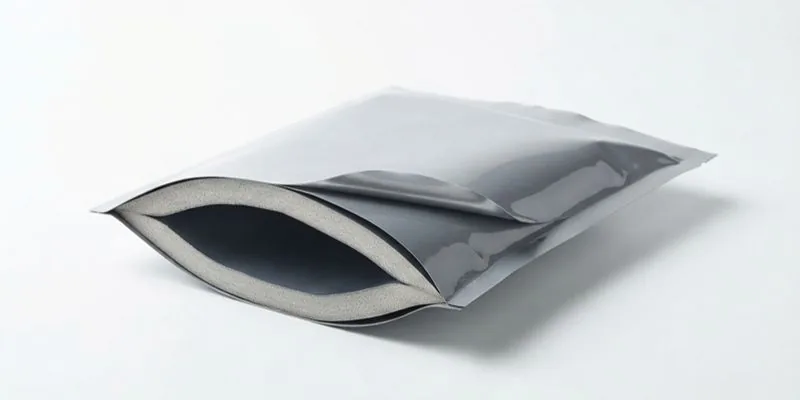
Oil resistance means slowing migration through the package wall and seal. We measure this as permeation, swelling, or weight loss.
The key variables:
- Polymer polarity and crystallinity. Tightly packed, polar polymers slow PG, VG, and terpenes. PET resists oil better than HDPE.
- Wall thickness. Thicker walls add distance. Thin shoulders fail first.
- Co-extruded barrier layers. Ethylene vinyl alcohol (EVOH) blocks oxygen and many flavor oils.
- Surface treatment or fluorination. Fluorine creates a low-energy barrier. We record lower weight loss in fluorinated HDPE.
- Closure and liner compression. The liner needs flat torque. Low torque leaks. High torque warps.
- Storage temperature and dwell time. Heat accelerates permeation.
A package fails between week 1 and week 8 because liquid wets the wall, dissolves in, plasticizes it, and then diffuses faster. Citrus terpenes can haze PET only after six weeks.
2. Key Factors That Control Performance
Base resin sets the ceiling:
- Polyethylene terephthalate (PET): clear and moderately oil resistant. Stress-cracks with strong terpenes.
- High-density polyethylene (HDPE): soft and low barrier unless fluorinated or coextruded.
- Polypropylene (PP): good moisture barrier. It can crack with flavor oils.
- Glass: near-zero permeation. It needs a precise closure.
- Multilayer PE/EVOH/PE: our default for high-VG citrus or cinnamon.
Coatings and liners matter. Induction foil gives a hermetic seal. Foam liners back up child-resistant caps. Barrier inserts add EVOH or foil. Shrink bands signal gross leakage, not primary seal.
The printing stack must resist outside-surface contamination. BOPP films resist oil better than paper labels, so we default facestock to them.
When you specify a finish, compare aqueous versus UV coating before the dieline is locked.
Under the ink, the choice between water-based coatings and plastic lamination changes both barrier and recyclability.
Closure architecture ties everything together. A child-resistant oil barrier means cap, liner, and thread finish acting as one system, and a leak-proof container needs a defined torque window.
3. Our 90-Day Lab Stress Test and Benchmark Matrix

A 90-day stress test at the LeelinePackaging QC lab evaluated five bottle systems filled with 100 mg/ml nicotine salts and high-VG citrus and cinnamon blends at 50°C.
Weekly weigh-ins and cross-section analysis at days 30, 60, and 90 tracked wall thinning, stress cracking, closure seepage, and weight loss using directly purchased samples.
| Polymer system | Clarity | Oil resistance | Weight loss % (90 days) | Visible cracking or haze | Print compatibility | Cost band | Recommended use case |
|---|---|---|---|---|---|---|---|
| Standard PET | High | Moderate | 0.8% | Haze after citrus | Excellent | Medium | Mild fruit and mint |
| Thick-wall PET | High | Good | 0.5% | Low haze | Excellent | Medium-high | High-VG fruit |
| Monolayer HDPE | Low | Poor | 2.1% | Base cracking | Good with BOPP | Low | Low-terpene, short life |
| Multilayer PE/EVOH/PE | Medium | Very good | 0.3% | None | Good | Medium-high | Citrus, cinnamon, nicotine salts |
| Glass | Excellent | Excellent | <0.1% | None | Requires direct print or sleeve | High | Premium, long shelf life |
Accelerated aging is directional. It does not replace live market storage. Real thermal cycling, UV exposure, and variable closure torque change results.
⚙️ Technical Detail: Weight loss in accelerated aging is a comparative ranking tool. It is not a legal permeation rate.
— Cheney Wang, Sustainable Packaging Sales Manager
4. Testing and Evaluation Methods Buyers Should Ask For

Ask for raw data, not pass certificates:
- Permeation or gravimetric weight-loss testing with your exact formula.
- Contact compatibility testing with actual flavor concentrates.
- Long-term storage observation at ambient and elevated temperature.
- Torque retention and seal integrity checks.
- Vacuum or pressure-based leak validation.
Use ASTM D4991 or an equivalent rigid-container vacuum leak method, and ASTM F2096 for gross leak detection in flexible formats.
Follow ISO 8317 or 16 CFR child-resistant performance guidance. If no single standard fits your bottle and closure, define, justify, and document the validation recipe.
5. Manufacturing SOP: How Commercial Lines Create Better Oil Resistance?
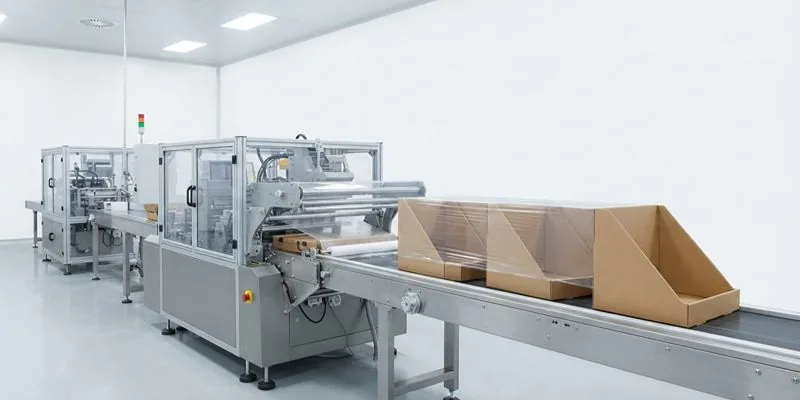
Our factory reviews show skipped inline torque checks cause production failures. The SOP we enforce:
- Review formula aggressiveness and flavor family. Citrus, cinnamon, and high-VG lines trigger stricter barriers.
- Choose the resin and barrier structure, drawing on our plastic packaging materials reference. We default to PE/EVOH/PE or fluorinated HDPE for aggressive formulas.
- Set the co-extrusion ratio and wall-thickness target.
- Run co-extrusion blow molding for multilayer bodies.
- Apply fluorination treatment when specified. It reduces permeation and flavor scalping.
- Mold or fit dripper and nozzle components to tolerance.
- Apply the child-resistant closure system.
- Verify torque and leak performance inline.
- Quarantine samples for accelerated aging.
- Release only after QC sign-off, and add box liners for freight protection when needed.
This turns e-liquid packaging oil resistance from a spec-sheet claim into a controlled outcome.
Key Benefits: Oil Resistance as Commercial Risk Control

Our 90-day lab stress tests and factory audits framed oil resistance as risk control, not a resin rating.
1. Lower Freight Claims and Leakage
PET and multilayer PE/EVOH/PE cut in-transit leaks to near zero. Fewer leaks reduce dock rejects and freight claims.
We validate integrity on every order through pre-shipment inspection before the cartons leave the floor.
2. Better Nicotine and Flavor Stability
Heat cycles degrade unprotected HDPE. Standard PET lost 0.8% weight in 90 days, while multilayer PE/EVOH/PE held 0.3%. That preserves label claim and sensory profile.
Material-science guidance from the Institute of Packaging Professionals covers how polarity and crystallinity set a resin’s barrier.
3. Cleaner Warning-Panel Readability
Oil migration smears warning text. Custom package stickers printed on BOPP facestock stayed legible through 50°C aging. Clear panels cut rejection and relabeling cost.
4. Fewer Consumer Complaints
Oily shoulders, sticky cartons, and off-flavor notes kill repeat purchase. We traced most returns to liner incompatibility.
Validated liners and EVA foam inserts stabilized closures and cut complaints. See how the same bench logic played out in our skincare packaging case study.
5. Smoother Child-Resistant Compliance
A swollen liner changes closure torque, so child-resistant performance fails audits. We keep torque retention records on every lot.
The CPSC liquid nicotine packaging rules tie the closure to a tested torque window, which is why we treat records as a release gate.
6. Use-Case Comparison
- Premium long-storage SKU: glass or high-barrier multilayer for 12+ month shelf life; accept higher freight.
- Standard unicorn bottle: validated PET or HDPE by formula. Low-terpene mint tolerates PET; high-VG fruit needs thick-wall PET.
- Aggressive citrus or cinnamon line: multilayer barrier bottle. Standard PET hazes within six weeks.
🚀 Strategic Insight: The lowest unit-cost bottle is often the highest total-cost option. One leaky HDPE lot's rework, relabeling, returns, and spoilage outran the material savings by 3:1.
— Kelly Zhang, Flexible Packaging Materials Professional
Every barrier gain affects cost, transparency, recyclability, or process complexity.
Material and Design Tradeoffs: Where Oil-Resistant Packaging Still Falls Short?
No bottle material wins across oil resistance, clarity, squeeze feel, sustainability, decoration, and cost. Each option forces a compromise.
1) PET: Clarity Versus Stress Cracking
PET offers clarity and shelf appeal. Aggressive citrus flavors can haze or crack it. Our 90-day citrus test hit 0.8% weight loss and haze by day 60. Validate first.
2) HDPE: Chemical Robustness Versus Aroma Permeation
HDPE resists many chemicals better than PET. Monolayer HDPE lost 2.1% weight. Aroma permeation changes flavor, and clarity is poor. Fluorination helps but costs more.
3) PP: Component Value, Not Universal Bottle Choice
PP works in closures and dropper components. We do not default it to bottle walls. Flavor oils can crack PP, and cap threads often fail first.
4) Glass: Barrier Versus Breakage and Freight
Glass offers the best barrier. Weight loss stayed under 0.1%. It is heavy, breakable, and costly to ship, so DTC brands face higher freight risk.
5) PBAT and Sustainability-Led Structures: Validate Before Claims
PBAT appears in broader packaging. Direct-contact e-liquid use needs testing, and we have not validated it for PG and VG exposure. Avoid greenwashing claims without data.
6) Coated Paperboard and Cartons: Secondary Protection Only
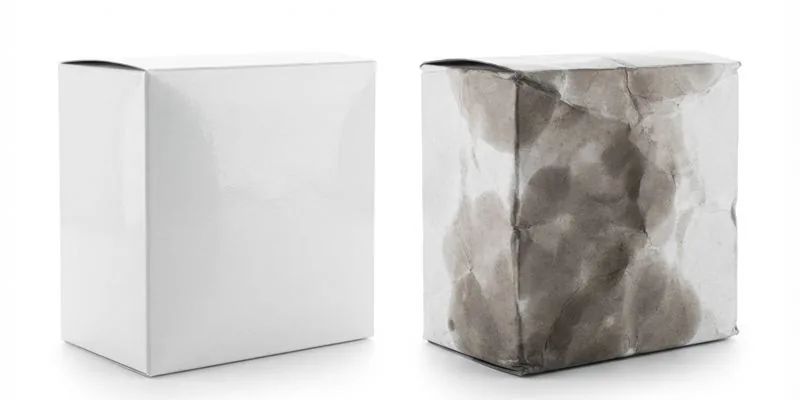
Coated paperboard resists oil transfer only to a point. If the primary bottle seeps, the print stains.
Where possible, use greaseproof paper or plastic-free packaging alternatives beneath the bottle itself.
For premium kits, custom rigid boxes add secondary protection, but only as a layer over the primary bottle. Review rigid box versus folding carton before you specify one.
7) Design-Stage Pitfalls We Still See
- Choosing the bottle before reviewing formula chemistry.
- Assuming cap fit equals seal integrity.
- Using the wrong label adhesive or varnish.
- Overlooking warning-panel readability after oil contact.
- Testing with plain PG and VG only. Final flavored SKUs differ.
🛡️ Mitigation Strategy: Validate with the final commercial formula, not a base carrier. Robust validation costs less than field remediation, because one leaky lot can triple total cost.
Final Verdict: Oil Resistance Is a System Decision
After 90 days of accelerated testing, our verdict is clear: oil resistance is a packaging system, not a resin label.
The winning combination ties resin choice, barrier design, closure engineering, print compatibility, and validation discipline into one controlled process.
A bottle that passes wall permeation still fails if the liner swells or torque drifts.
Rapid Procurement Checklist
- Confirm the exact PG, VG, nicotine, and flavor formula family before selecting any bottle.
- Request compatibility and accelerated-aging data on the final SKU, not a base carrier.
- Verify child-resistant closure and tamper-evident design with torque records.
- Review leak-test protocol, torque window, and shipping simulation.
- Check print and label durability after oil-contact exposure. BOPP facestock often survives where paper fails.
Opting for the cheapest bottle is strongly discouraged. A single leaky lot can cause returns, relabeling, regulatory exposure, and brand damage that far outweigh any initial savings.
LeelinePackage can act as your technical partner. Send us your formula and route-to-market.
We will propose bottle structures, oil-resistant coatings, liner choices, and secondary-pack solutions. Request a free technical consultation.
Disclaimer: We are not paid by resin suppliers to favor one material system in this comparison.
People Also Ask About E-Liquid Packaging Oil Resistance
1. Can standard PET handle citrus or cinnamon e-liquids?
No. We recorded haze after six weeks. Use multilayer PE/EVOH/PE or a validated thick-wall PET.
2. Is HDPE better than PET for nicotine salts?
Fluorinated HDPE improves resistance but costs more, while monolayer HDPE lost 2.1% weight during our testing.
3. Is PBAT/PE co-extrusion suitable for direct-contact e-liquid?
Validation is pending external lab confirmation. Avoid sustainability claims that lack long-term data.
4. What standards matter for leak-proof e-liquid container validation?
ASTM D4991 for the vacuum leak method, ASTM F2096 for gross leaks, and ISO 8317 for child resistance.
5. Do child-resistant caps solve seepage on their own?
No. The cap, liner, and thread finish work as one system, and a swollen liner changes torque.
6. Should premium brands switch to glass for all SKUs?
No. Glass has near-zero permeation but high freight and breakage risk. Reserve it for long-shelf-life premium lines.