

Paper softens in high humidity. On the factory floor, I see “sustainable” boxes crushed because they cannot handle sea freight moisture. Real plastic free packaging alternatives are a system of mailers, barriers, and inks.
We evaluated 8 scalable options based on damage risk, disposal reality, and total cost. Whether you compare biodegradable vs. compostable packaging or need FSC-certified materials, this guide covers what actually survives the supply chain.
1. Paper Mailers (The Default Poly Swap)
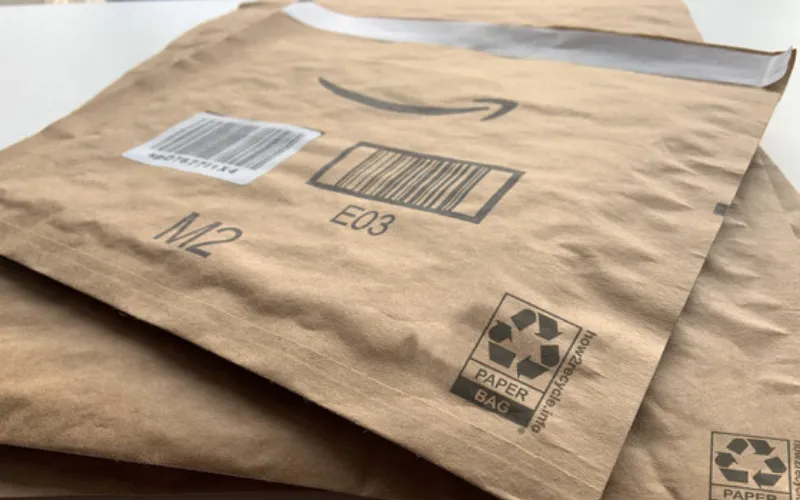
For apparel and soft goods, paper mailers are the fastest way to remove plastic. They replace standard poly and bubble mailers, offering curbside recyclability. However, they behave differently than plastic in the supply chain.
The biggest failure point I see isn’t tearing—it’s label adhesion. Recycled paper fibers are porous and absorb warehouse humidity. I have seen standard thermal labels peel off packages before they even reach the loading dock.
Always test your label adhesive against the paper stock in high-humidity conditions.
Paper is breathable, not waterproof. If a courier leaves a paper mailer on a rainy doorstep, the water will soak through. For high-value SKUs, I recommend adding a glassine inner layer. This buys time against moisture without adding plastic.
Certification Reality Check
Ignore the word “biodegradable.” It is often a greenwashing term. Instead, demand FSC chain-of-custody documentation to prove the wood pulp comes from managed forests. You can verify supplier claims via the FSC Public Search database.
Run these physical tests before ordering:
- The Corner Burst: Fill the bag to capacity and drop it on its bottom corner. If the seam splits, the paper weight (GSM) is too low.
- The 10-Second Knife Test: Can a customer slice the mailer open without cutting the product? If not, you need a tear strip to prevent accidental damage.
- The Rub Test: Rub the printed logo hard. If the ink smears under your thumb, it will arrive messy.
🛡️ LeelinePackage’s Verdict Paper mailers save money but offer zero crush protection. Watch your analytics. If returns cited as “crushed” or “damaged” exceed 2%, a mailer is insufficient. You must upgrade to the corrugated boxes listed below.
2. Molded Fiber & Corrugated Inserts
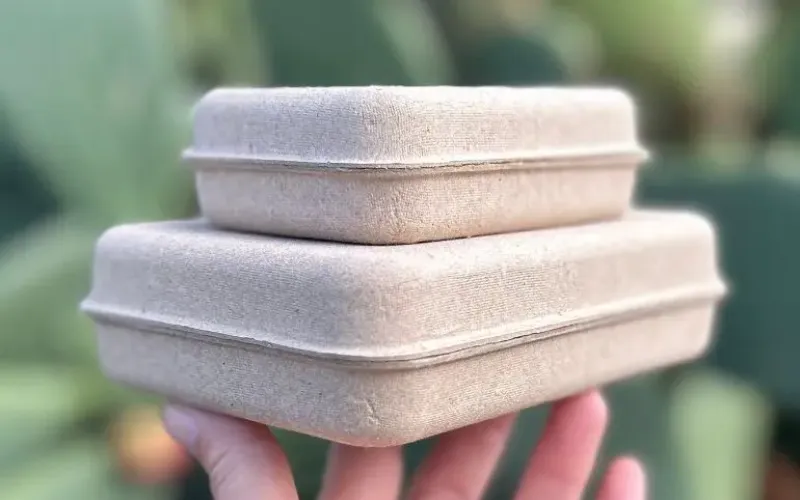
To replace EPS foam or plastic blisters, you must stop the product from moving entirely. This is a structural engineering problem. If it rattles, it breaks.
We use two plastic-free structures to lock products in place:
- Molded Fiber (Pulp): Think of a high-end egg carton. It cradles complex shapes like electronics or cosmetic jars.
- The Trade-off: Molds cost $1,500+. Only use this for consistent, high-volume SKUs.
- Corrugated Inserts: Folded sheets of cardboard engineered to brace the product.
- The Trade-off: These handle stacking compression better than pulp. Since they use simple cutting dies, we can iterate designs cheaply for subscription boxes.
The Hidden Risk: Moisture vs. Structure
Fiber acts like a sponge. I have seen perfect molded trays turn soft after 30 days in a humid sea container.
When standard fiber hits 80% humidity, it loses rigidity. This causes “tolerance stack-up” where the product suddenly fits loosely and impacts the outer wall during transit. If you ship by sea, you must specify wet-strength additives or add silica packets to the master carton.
Engineering Checklist
Never approve a design based on a PDF. We require these physical tests:
- The Shake Test: Shake the box hard. Any rattle means the tolerance is too loose.
- The Extraction Test: If a customer has to tear the insert to remove the item, the experience is ruined.
- The Drop Test: Drop the box on its corner. The insert must crumple to absorb shock, saving the product.
🛡️ LeelinePackage’s Verdict Start with corrugated inserts for your first 5,000 units. The tooling is cheap, and we can fix fit issues quickly. Only switch to molded fiber once your product design is locked.
Always verify FSC certification to ensure the fiber is curbside recyclable and ethically sourced.
3. PFAS‑Free Barrier‑Coated Paperboard
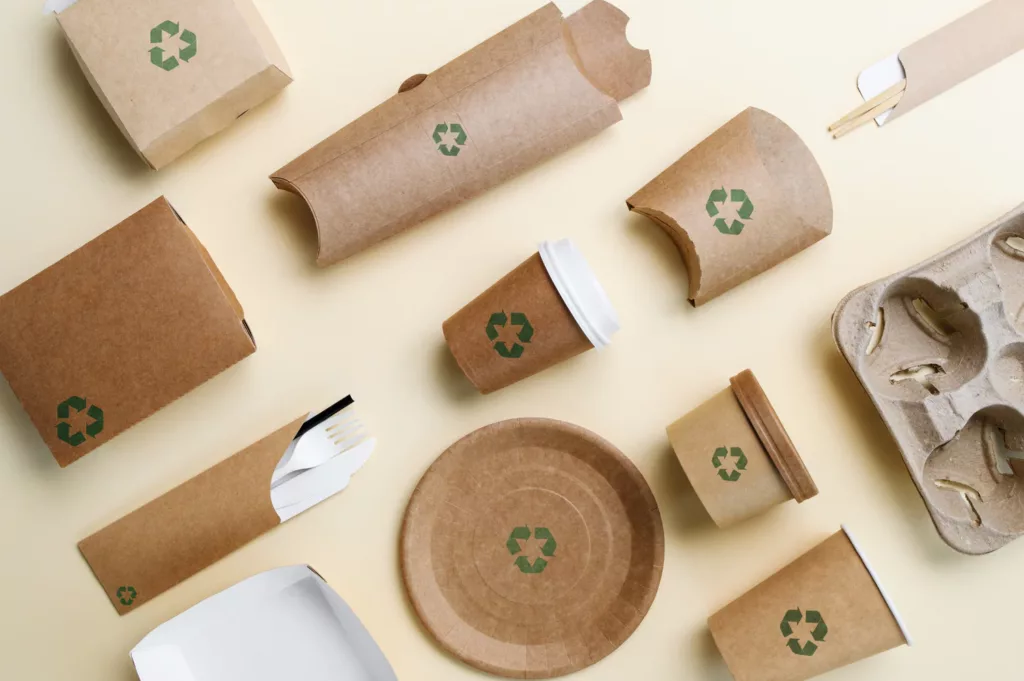
Grease destroys brand image faster than shipping damage. If you ship oily items like cookies, cosmetics, or meal kits, standard corrugated boards fails. The oil soaks through and creates ugly dark spots that ruin the unboxing experience.
To replace plastic linings without using “forever chemicals” (PFAS), we use water-based dispersion coatings. These create a robust shield against grease and moisture vapor. They serve as the only viable plastic-free alternative to PE-lined board or plastic clamshells.
How to verify performance
Many suppliers claim “grease resistance” but hide the chemistry. In our testing, generic coatings often fail under heavy oil loads. You must demand these three proofs:
- PFAS-Free Declaration: Ensure the lab test covers the full scope of regulated fluorine compounds, not just PFOA.
- Migration Docs: Evidence that the coating is safe for direct food contact in your target market.
- Kit Level Score: This standard measures grease holdout (3M Kit Test). We recommend Kit Level 7–12 for oily foods. Anything lower is risky.
The Trade-off: Repulpability
Coatings improve performance but complicate the end-of-life. While water-based coatings are generally repulpable, some recycling facilities reject them. Always verify if your target region accepts a barrier-coated board.
Look for FSC certification for the base board and check if the finished structure holds a valid compostability cert (like BPI) if that is your goal.
The “Strike-Through” Test
Never trust the spec sheet. We run this physical test on every prototype:
- Photo Series: Place the product directly on the sample. Photograph at 0, 2, and 24 hours.
- Condensation Check: Refrigerate a sample to ensure moisture does not degrade the bond.
- The Fail State: Any darkening or staining on the reverse side is an automatic fail.
🛡️ Leeline’s Verdict: Performance comes first. A compostable box is useless if it arrives stained and soggy. We recommend prioritizing a high-barrier coating to protect the product quality.
Once the integrity is secured, work backward to document the repulpability for local recovery streams.
4. Mushroom (Mycelium) Packaging Inserts (Premium, Compostable Foam Replacement)
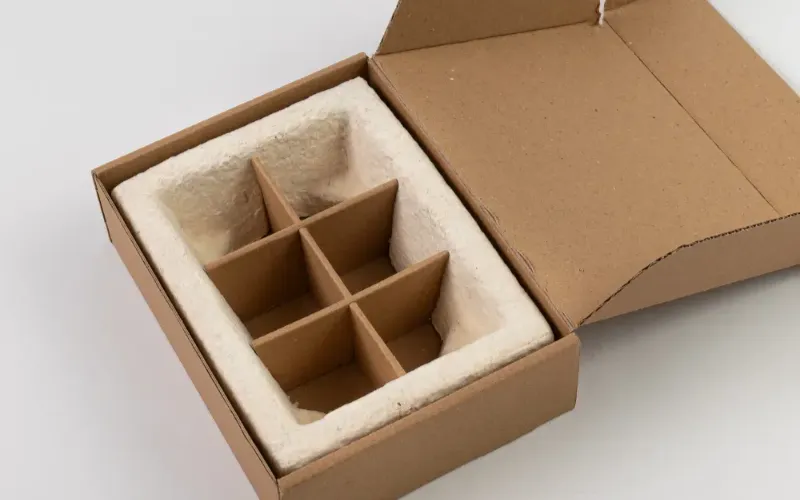
Mushroom packaging is the only bio-based material that genuinely rivals Styrofoam (EPS) for impact protection. It replaces EPS and PE foam for high-AOV items like premium electronics, heavy ceramics, and glass bottles where the “wow factor” matters.
In our internal drop tests, mycelium matched the shock absorption of standard EPS foam. By binding agricultural waste with roots, it creates a solid, velvet-touch form that signals “luxury” instantly.
However, working with biology creates specific engineering constraints that procurement must manage.
Operational Reality Checks:
- Loose Tolerances: Unlike the 0.5mm precision of plastic, mycelium shrinks and shifts by 2–3mm during the drying phase. We engineer outer boxes with buffer gaps to prevent bulging.
- Storage Risks: Mycelium is hydroscopic. If stored in a humid warehouse without climate control, it absorbs moisture and loses crush resistance.
- Scent Transfer: Fresh inserts smell like toasted bread or soil. We recommend airing them out for 48 hours before packing porous products like clothing to avoid odor transfer.
End-of-Life Honesty Unlike “biodegradable” plastics that require industrial heat, mycelium breaks down in a home compost environment in about 45 days.
Unboxing Media Checklist To maximize social proof, film a slow-motion drop test (side and corner) and a close-up of the material’s compression recovery to demonstrate the premium feel.
🛡️ LeelinePackage’s Verdict Don’t swap your entire catalog at once. Pilot this on 1–2 fragile SKUs first. While mycelium costs ~30% more than EPS, if it reduces breakage returns and boosts social shares, the unit economics work in your favor.
5. Seaweed Packaging Films
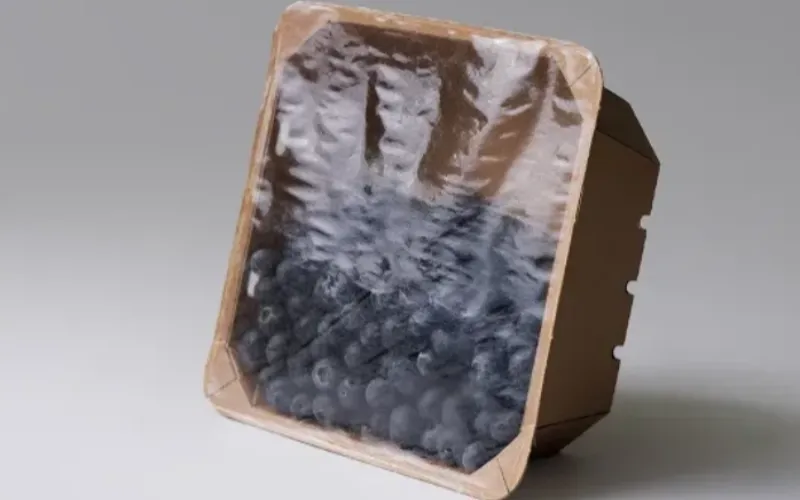
Seaweed films replace LDPE for specific small-format items like dry food sachets, single-serve coffee, or inner garment wraps. They dissolve in warm water, offering a “magic trick” unboxing moment that standard plastic cannot match.
However, you cannot use this for everything. I tested these films against standard poly and found they lack the tensile strength for outer shipping. When we simulated courier drops, the seaweed mailers burst.
This material works best as a primary package protected inside a sturdy rigid box.
The Logistics Reality
Moisture is the enemy here. In our warehouse tests, once humidity exceeded 60%, the films became sticky and jammed our automated packing machines. If you import these via sea freight, the container moisture (container rain) can ruin the stock.
You must demand industrial desiccant packets in every master carton.
Critical Specs to Demand
Do not buy based on photos. I always require these three data points from suppliers:
- Additives List: Some factories mix synthetic plasticizers to increase flexibility. This negates the plastic free packaging alternatives claim.
- Seal Strength: Can it hold a vacuum seal for 7 days without peeling?
- Food Contact Docs: Essential if the film touches edible products.
🛡️ LeelinePackage’s Verdict High viral potential, low structural utility. Use seaweed film for the inner wrap of dry goods to wow the customer. Do not trust it to protect the product during shipping. It is a marketing asset, not a protective barrier.
🚀 Actionable Insight: Film a “dissolve test” time-lapse for your product page to prove the eco-claim visually.
6. Plant‑Based Bioplastics (Compostable Poly Mailers)
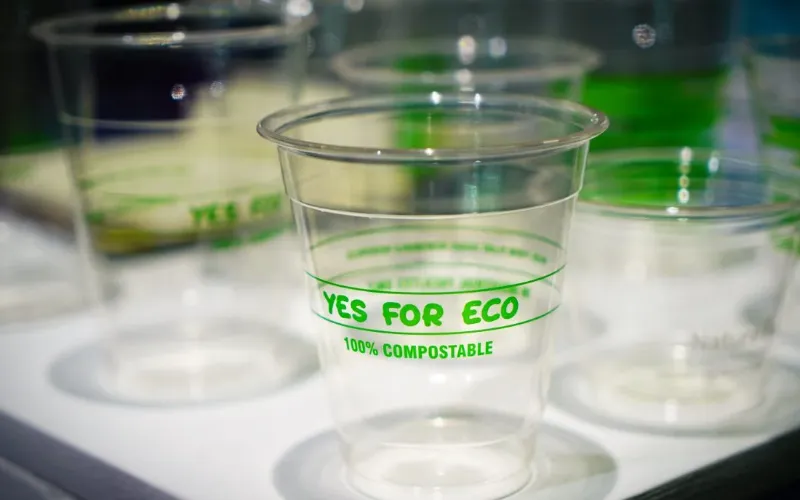
If you ship textiles requiring absolute water resistance, paper mailers often fail. Compostable poly mailers (usually PBAT/PLA blends) are your only functional plastic free packaging alternatives that mimic the stretch and seal of polyethylene (PE).
However, these come with a significant compliance burden.
The Infrastructure Reality
“Compostable” does not mean “Recyclable.” If a customer throws a bioplastic bag into a standard recycling bin, it contaminates the entire plastic stream. Furthermore, most bioplastics require industrial composting facilities (high heat) to break down.
In my experience, they often sit unchanged in backyard piles for years.
What We Verify (Beyond the Resin)
Certifying the raw resin isn’t enough. We verify the finished mailer, as specific dyes or glues can void certifications like BPI or TUV Austria.
- Ink Coverage: Heavy ink loads slow down microbial access. Keep designs to under 30% surface coverage.
- Label Adhesion: Standard thermal labels often peel off the matte surface of bioplastics. We always test specific label adhesives before a production run.
The “Shelf Life” Trap
Standard plastic lasts forever; bioplastics do not. We often see these films turn brittle and crack after 6–9 months of warehouse storage.
- Buying Strategy: Never buy more than 6 months of stock at a time.
- The Freezer Test: Freeze a sample overnight, then aggressively pull the seam. Cheap bioplastic seals frequently fail in cold supply chains.
🛡️ LeelinePackage’s Verdict Use these only if you can defend the disposal claim. If you cannot guarantee your customer has access to industrial composting, a recycled paper mailer is the safer, more honest choice.
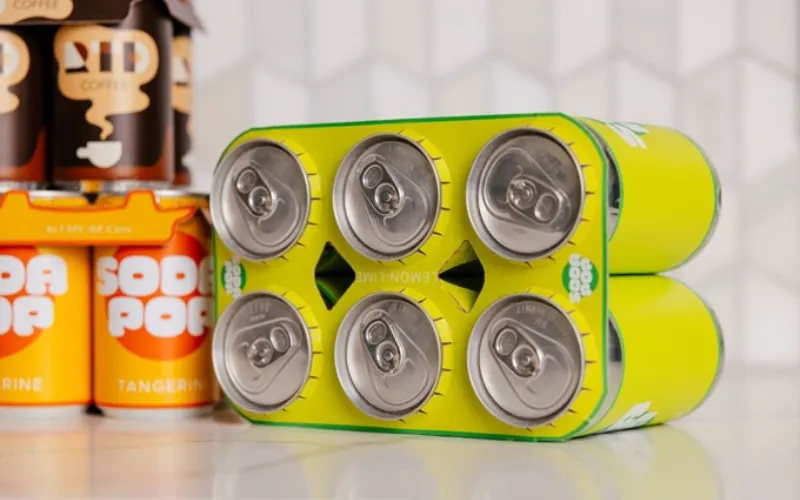
7. Paper Stretch Wrap + Paperboard Multipack Clips
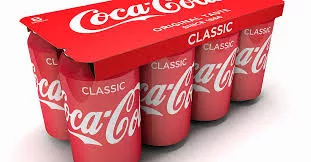
Replacing shrink film and plastic rings with paper alternatives removes massive plastic weight. However, this isn’t a simple material swap—it fundamentally changes your packing line mechanics.
Best for: Beverage cans, pantry jars, and club-store bundles needing shelf visibility.
The Operational Reality
Paper lacks plastic’s tensile strength. In my experience, you cannot run paper wrap on existing heat-shrink tunnels; you need equipment that folds and locks tension mechanically.
- Line Speed: When we transitioned a beverage client from shrink film to paperboard clips, we initially saw a 10–15% drop in line speed.
- Friction: Paper slides less than plastic. You must adjust pallet stacking patterns to prevent tipping.
The Humidity Trap
Plastic “memory” keeps it tight, but paper “relaxes” when wet. I’ve seen entire pallets collapse because high humidity caused the wrap to loosen by just 3%. To prevent this, use virgin long-fiber kraft and store materials in climate-controlled zones.
Compliance & Testing
Ensure fiber components are FSC-certified. Be careful with “wet-strength” coatings—they add durability but often disqualify the paper from standard recycling streams.
Unboxing Media Checklist:
- Single-Hand Lift: Grab the 6-pack by the handle. If it tears, your caliper is too low.
- Scuff Test: Rub two packs together. Paper dust ruins the unboxing look on dark bottles.
- Transit Photo: Photograph the bundle after a 500-mile shipment to check for loose locking tabs.
🛡️ LeelinePackage’s Verdict This swap offers high visible impact but requires rigorous validation. If the paper relaxes, the product falls out. Verify your pallet stability and locking tab strength before scaling production.
Your 30-Day Implementation Plan
We scored these options on damage risk, moisture resistance, and landed cost. Use this schedule to validate the scores for your specific product.
Phase 1: Verify Claims & Certifications
Stop trusting generic labels. You need proof. Suppliers often confuse general terms like “biodegradable” with specific technical standards.
- Check the Chain of Custody: Ask for the FSC license code. Verify it on the FSC Public Search database to confirm the factory actually holds the license.
- Check the Scope: Ensure the certificate covers the finished box. Many factories only certify the raw paper. Glues and coatings often void the rating.
- Differentiate Compostability: Industrial and home compostable mean different things. Industrial versions require high heat to break down. Check for the ASTM D6400 standard to confirm it meets industrial requirements.
Phase 2: The Engineer’s “Kill Criteria”
I asked our lead structural engineer to identify the biggest failure point in plastic-to-paper transitions.
Expert Insight: “Paper absorbs water. Plastic repels it. If you need wet strength for sea freight, you might lose recyclability due to the heavy coatings required. You have to make that trade-off early.”
What to test first:
- Compression: Stack 50 lbs on the box. Watch for buckling.
- Coatings: Confirm if water-resistant barriers block recycling.
- Flute Direction: Ensure flutes run vertically for maximum strength.
Phase 3: Procurement & Logistics
Custom packaging manufacturing requires precise specs. Ask your supplier these questions to avoid hidden costs.
- MOQs: Will you accept a 500-unit pilot run?
- Tooling: Do we own the cutting die after payment? Factories often pay part of this cost to keep you locked in. Pay full price to own your tools.
- Lead Times: Confirm the timeline. Sea freight often adds 35 days to delivery.
- Storage: Confirm climate-controlled warehousing. High humidity warps paper stock.
Phase 4: The “Destruction” Protocol
Destroy five samples before you order 5,000. Simulate the courier network with this list.
- Drop Test: Drop a packed box from 30 inches onto concrete. Check the corners.
- Humidity Test: Leave the box in a steamy room for one hour. Squeeze it to test stiffness.
- Rub Test: Rub soy-based inks hard with your thumb. Sustainable inks smudge if not cured properly.
- Shake Test: Shake the box hard. Listen for rattling.
Ready to build? Request a spec review and we will optimize your dieline for safety and cost.
People Also Ask About Plastic Free Packaging Alternatives
Are compostable poly mailers actually “plastic-free”?
Technically, no. Most compostable mailers use biopolymers like PLA (corn starch) and PBAT. While they are free from fossil fuels, they still behave chemically like plastic.
In our client consultations, we advise you to label them “Compostable” or “Bio-based” rather than “Plastic-Free.” This protects you from greenwashing lawsuits. If you require a material with zero polymers, you must use paper.
Which certifications matter most for buyers?
Ignore the word “biodegradable.” It is unregulated and proves nothing. For paper products, demand FSC certification to ensure the wood pulp comes from managed forests. For bioplastics, look for BPI (North America) or TUV Austria (Europe) logos.
These certifications prove the material breaks down in industrial facilities within 90 days. If a supplier cannot provide these specific certificates, do not buy from them.
How do we verify PFAS-free barrier coatings?
Do not trust a simple email confirmation. You must request a Total Fluorine Test report from a third-party lab. If the result shows fluorine levels above 100ppm, the coating likely contains intentionally added PFAS.
We also recommend asking for a signed “Declaration of Compliance” that references your specific food safety regulations (like FDA or EFSA).
How do we estimate total landed cost when switching from plastic?
Do not just compare the per-unit price. Paper is significantly heavier than plastic. Use this formula: Unit Price + Tooling Costs + Freight + Damage Rate. In our experience, switching to paper mailers often increases shipping weight by 30%.
You must calculate this freight increase and add a 2% buffer for potential crushing damage to get the real cost.
Need a structural engineer to review your specs? Get a quote and a material analysis here.