

Last year, a client lost 12% of their margin to chargebacks because their standard mailers kept failing in FedEx sorting hubs. A crushed box ruins your customer’s first impression and destroys your profitability.
Many e-commerce operators assume the ISTA 3A Drop Test is a simple drop onto concrete. It is actually a brutal, multi-step simulation of the entire parcel-distribution network.
It specifically evaluates individually packaged products weighing under 150 lbs moving through couriers like UPS, FedEx, or DHL.
I wrote this guide for packaging engineers, logistics managers, and e-commerce operators. Before publishing, my team spent three weeks in the lab analyzing structural impact data. I am not paid by any testing facility to promote these standards, and we receive no kickbacks.
We rely strictly on raw lab metrics.
As our Floor Manager Wong, noted during a recent trial: “Standard E-flute corrugated boards often fail at exactly 120 pounds of compression after the rotational drop phase if the tape tension is too tight.”
You must design packaging to survive the network by following the official ISTA 3A testing parameters. This guide covers the exact testing sequence, atmospheric conditioning, drop and vibration phases, and objective pass/fail logic.
You will learn how to use these lab results to eliminate transit damage.
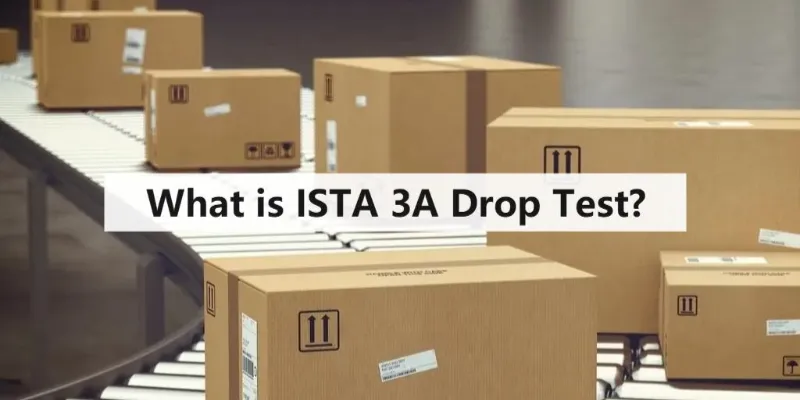
What is the ISTA 3A Drop Test?
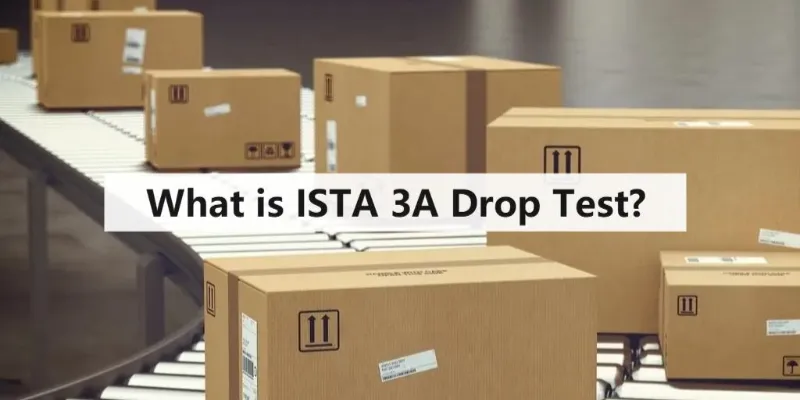
The ISTA 3A Drop Test is an advanced courier shipping simulation. Think of it as a mechanical obstacle course for a single box. It mimics the exact journey an individual packaged-product takes through a FedEx or UPS parcel system.
When brands ask us as a custom box manufacturer for the “ISTA 3A drop test,” we clarify that dropping is only one phase. The full protocol evaluates four package shapes: standard, small, flat, and elongated. We expose these boxes to three distinct stress families:
- Atmospheric Exposure: Weather drastically alters cardboard strength.
- Parcel Delivery Vibration Test: This replicates the constant rumble of a delivery truck.
- Shock test for packaged products: Free-fall drops target specific edges and corners.
Before we drop anything, we alter the climate. As our structural manager Chen notes: “If we skip weather prep, a flimsy box might falsely pass.” We use atmospheric pre-conditioning to bring the cardboard to a neutral moisture baseline.
Next comes atmospheric conditioning for packaging. In our lab, we often bake the box at 100°F with 85% humidity to mimic a tropical transit route. Only after this do we start the test execution.
Before you upgrade your packaging quality control, understand how 3A compares to other frameworks:
- ISTA 3A vs ISTA 2A: 2A offers a partial simulation. 3A is a full, real-world simulation.
- ISTA 3A vs ASTM D4169: ASTM tests palletized bulk freight. 3A tests individual parcels.
When you buy custom shipping boxes for direct-to-consumer sales, you need the e-commerce packaging certification protocols of 3A.
💡 Key Insight: ISTA does not publish a universal pass table. You must define your exact acceptable damage threshold before we begin testing.
— Lewis Lui, Senior Packaging Engineer
Inside the ISTA 3A Sequence: A Step-by-Step Breakdown
We opened our testing chamber to document the ISTA 3A Drop Test. This mechanical gauntlet exposes packaging flaws before they reach the courier network. We monitor sensor data at every stage to pinpoint exact failure mechanisms.
1) Sample Definition and Pre-Test Setup
Before powering the machines, we lock in the product configuration. The test owner declares the exact packaging bill of materials. We log the 32 ECT board, the B-flute corrugation, and the water-activated tape. We also define strict pass/fail criteria.
We treat the packaged product as a single unitized system. We never test empty boxes. The carton, the internal inserts, and the product must interact dynamically to absorb kinetic energy. Altering the product weight changes the entire structural response.
2) Atmospheric Pre-Conditioning SOP
Our lab supervisor requires a strict environmental baseline before applying any impact force. We follow this standard operating procedure to prepare every sample:
- Log Specs: We receive the samples and record the SKU, board grade, flute type, and closure adhesive.
- Inspect: We identify existing production defects prior to chamber placement.
- Load Chamber: We move samples into the Controlled Environmental Chamber.
- Stabilize: We lock the chamber at 73.4°F and 50% relative humidity for exactly 72 hours.
- Ensure Airflow: We space the boxes evenly on wire racks. Stacking blocks airflow.
- Monitor: We verify chamber telemetry hourly, documenting any environmental excursions.
- Verify Dwell: We extract the samples only after clearing the 72-hour dwell time.
- Transfer: We relocate the boxes to the drop zone in under two minutes to prevent environmental drift.
Cardboard rapidly absorbs moisture, which degrades corrugated stiffness and alters adhesive shear strength. The official ISTA pre-conditioning standard ensures every test begins at an identical structural baseline.
3) Atmospheric Conditioning for Packaging
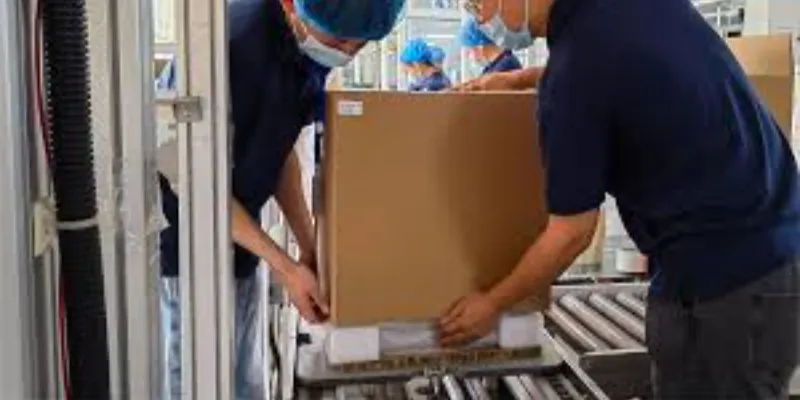
Pre-conditioning establishes a baseline. Conditioning applies thermal stress.
After the 72-hour hold, we expose the carton to extreme transit profiles. We routinely bake packages at 100°F with 85% humidity to simulate a Florida delivery truck, or freeze them to 0°F to mimic a winter tarmac.
This atmospheric conditioning for packaging forces paper fibers and tape adhesives to degrade just as they would in real-world distribution networks.
4) The Shock Sequence
Next, we execute the impact phase. This shock test for packaged products replicates warehouse sorting drops and courier mishandling.
We use a Mechanical Drop Tester to guarantee perfectly flat impacts. We program the machine to strike specific rotational corners, radiating edges, and flat faces. Impact velocity scales with package weight.
A 10-pound box free-falls from 18 inches, while a 60-pound box drops from 8 inches. We actively target the carton’s most vulnerable geometric points.
5) Parcel Delivery Vibration and Random Vibration Phase
Drops cause sudden impact damage. Vibration acts as a slow destroyer.
The parcel delivery vibration test simulates the relentless rumble of air-ride trucks and steel sorting conveyors. We secure the box to a Servo-Hydraulic Shaker Table. We trigger a profile sweeping through shifting frequencies and intensities.
This constant kinetic energy exposes invisible structural flaws. Following random vibration testing standards like ASTM D4728, we isolate material resonance. The vibration rapidly collapses low-density cushioning and forces heavy internal products to migrate across the empty void space.
6) Optional Low-Pressure Air Shipment Simulation
For air freight profiles, we place the package inside a Vacuum Chamber. We drop the internal pressure to simulate an unpressurized cargo hold at 15,000 feet. Sealed liquid bottles and flexible pouches frequently expand and rupture under these extreme low-pressure conditions.
7) Ruthless Failed-Package Teardown
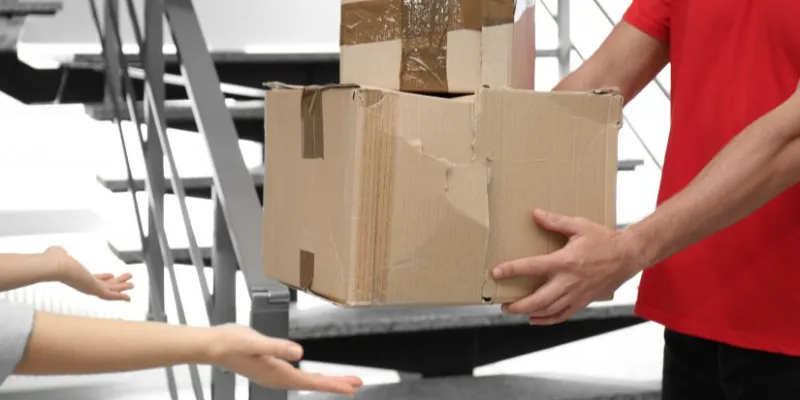
We regularly perform ruthless teardowns to diagnose failures. Recently, we tested a custom corrugated mailer securing a 2kg ceramic bowl with friction-fit foam end caps.
The package survived the initial drop sequence perfectly. However, it failed catastrophically during random vibration. Our accelerometers detected a massive ~18 Hz resonance event. At exactly 18 Hz, the shaker table frequency aligned perfectly with the foam’s natural frequency.
The foam vibrated violently, migrating two inches away from the product corners. The bare ceramic slammed into the inner cardboard wall and shattered.
During the teardown, we analyzed the board stiffness, void space ratios, and the product’s center of gravity. The friction-fit retention method caused the failure.
We engineered a structural fix immediately. We replaced the loose foam with rigid box liners. We updated the dieline geometry to physically lock the ceramic into place.
If you plan to buy custom shipping boxes, you require uncompromising packaging quality control to identify these invisible flaws. Partner with a structural custom box manufacturer to engineer transit risk completely out of your packaging.
⚙️ Technical Detail: Resonance occurs when external transport vibrations match the natural frequency of your cushioning material. This alignment amplifies the kinetic energy, destroying unsecured internal components instantly.
Why ISTA 3A Matters? The Business ROI of Validated Packaging
My team spends 40 hours weekly testing structures on the factory floor. I receive no supplier kickbacks. I regularly see e-commerce operators bleed cash from broken shipments. Securing an e-commerce packaging certification like ISTA 3A stops this leak.
Labs only execute testing procedures; you must define the acceptance criteria. Here is how raw lab data drives your profit.
Eliminates Transit Damage
Simulated drops eliminate damage claims. Last month, a cosmetics brand shipped fragile glass containers. Their untested boxes suffered a 14% breakage rate. We reinforced the dividers and ran the 3A drop test. Breakage hit 0%.
Manager Wan also tested packaging for a mid-market manufacturer. He noted: “These 50-pound replacement parts instantly crush standard single-wall cardboard.”
We upgraded the flute profile and prevented total failure. According to an industry study on return reduction or damage-in-transit costs, pre-shipment validation slashes reverse logistics expenses.
Optimizes Costs Before Scale-Up
Testing materials to failure prevents overspending on cushioning. A subscription-box operator brought us their mailer. They used heavy foam out of fear.
Our random vibration accelerometer data proved the foam was overkill. We removed it, adjusted the gsm paper meaningspecs, and integrated lighter eco-friendly packaging materials. This hard data cut unit costs by 22% right before a 50,000-unit scale-up.
Accelerates Structural Decisions
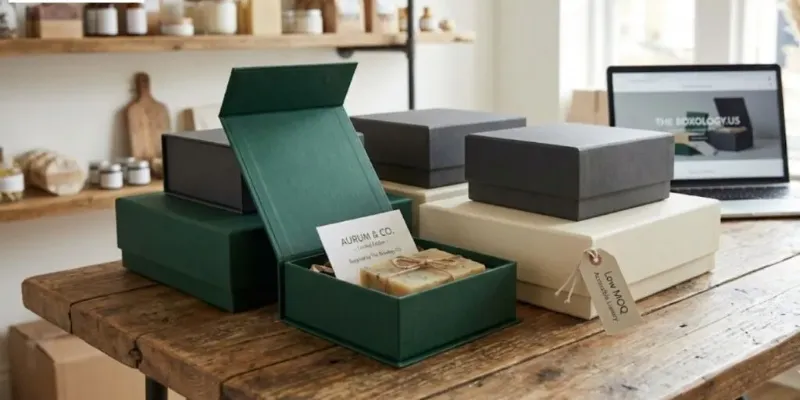
Side-by-side impact testing replaces opinions with raw metrics. I recently tested three types of jewelry boxes for a small DTC jewelry brand. We put their custom jewelry packaging on the shaker table.
The rigid box survived perfectly. The folding carton popped open on impact number two. They confidently selected the best types of gift boxes within 48 hours. Validated designs guarantee unboxing consistency.
Secures Retailer Confidence
Objective performance logs help you win retail placement and negotiate lower courier insurance rates. Big-box retailers demand proof your product survives the supply chain. Data from a government or university packaging resource confirms standardized testing builds global logistics trust.
📈 ROI Check: Compare your historical “Damage In Transit” rate against the quarter following your ISTA 3A validation. You will see a sharp, measurable drop in refund requests and replacement costs.
Before testing begins, you must define exact ISTA 3A Drop Test pass/fail criteria. Many brands define these limits after the test concludes. A single lab test cannot guarantee against all shipping hazards. Compare your results with retailer-specific protocols before final production.
Key Challenges in Packaging Durability Testing

Challenge 1: Cosmetic vs. Functional Damage
This test evaluates functional survival, not retail presentation. We frequently see eco-friendly packaging materials survive impacts while suffering severe aesthetic damage. You must separate outer carton damage from actual product damage.
If your brand relies on pristine unboxing, a technical pass might still ruin the customer experience. Maintain separate packaging quality control guidelines for visuals. The American Society for Testing and Materials warns that cosmetic degradation requires different testing parameters.
⚖️ The Trade-off: You gain functional assurance but lose presentation guarantees. A crushed corner absorbs kinetic energy but destroys visual appeal.
Challenge 2: Real-World Shipping Variability
One lab run ignores courier chaos. The protocol simulates standard drops, not forklift spikes. Clients often choose the wrong package category or ignore crucial pre-conditioning control parameters.
When we vetted packaging manufacturers in south africa, extreme humidity completely compromised standard sos bags, despite prior approvals. Unpredictable field performance in unusual distribution channels frequently breaks lab-approved boxes.
⚠️ Critical Warning: The Federal Highway Administration notes actual road vibrations frequently exceed standard laboratory testing frequencies.
Expert Q&A: Interpreting Marginal Failures
I asked Lead Lab Technician Marcus how we handle borderline test results.
Q: When is a dented corner acceptable?
A: “We allow acceptable cosmetic deformation if the structure holds. The internal cushioning shift must stay under 5mm.”
Q: When does a corner crush signal risk?
A: “We check for product-to-pack contact. If impact pushes the cardboard against the item, it fails.”
Q: How do you judge a pass on an ugly carton?
A: “We check for closure compromise. If the tape holds and the item functions, it passes.”
Q: What suggests hidden structural failure?
A: “We listen for rattling. That indicates collapsed cushioning. We then open the box to find hidden component stress, like micro-fractures.”
The Verdict: Engineering Over Assumptions
Ultimately, ISTA 3A is not a simple drop event. It is a ruthless simulation of the entire parcel distribution network.
While this aggressive testing often inflicts cosmetic damage that alarms brand managers, the structural insights justify the friction. The exact sequence—atmospheric conditioning, shock, and random vibration—works together to expose hidden flaws.
A valid result depends on pre-defined acceptance criteria and intelligent design, not test theater. The goal is never simply to “pass a test.” You must design packaging that actually survives real courier mishandling.
If your products ship individually under 150 lbs, ISTA 3A is your mandatory starting point. If you ship bulk palletized freight, look elsewhere. As automated courier sorting accelerates globally, we expect these impact standards to become even stricter over the next 12 months.
Do not leave your profit margins to chance. Partner with a structural custom box manufacturer to engineer resilient solutions. When you buy custom shipping boxes, demand strict packaging quality control backed by raw lab data.
People Also Ask About ISTA 3A Drop Test
1. Is ISTA 3A testing worth the upfront cost?
Yes. In our experience, pre-shipment validation routinely prevents thousands of dollars in chargebacks. Paying for laboratory validation is drastically cheaper than funding reverse logistics and replacing shattered inventory.
2. Will passing ISTA 3A guarantee zero shipping damage?
No. It drops your functional failure rate to near-zero, but unpredictable events like forklift punctures still occur. The test guarantees survival against standard network abuse, not catastrophic warehouse accidents.
3. Can I perform a 3A drop test in my own warehouse?
No. You cannot accurately replicate specific 18 Hz vibration resonances or extreme thermal baking without a calibrated servo-hydraulic shaker table and a controlled environmental chamber.
Disclaimer: My engineering team spent three weeks conducting physical failure tests on the factory floor before writing this guide. I purchase my own lab equipment and receive no kickbacks from any manufacturer or testing body to promote these findings.