

Have you ever wondered why the yogurt lid in your fridge or the blister pack holding your medicine never lets light, air, or moisture sneak in? That invisible guardian is aluminum foil. It’s made of ultra-thin sheets of nearly pure aluminum, usually 0.006–0.2 mm thick.
This material serves as one of the best barriers on Earth.
You see it daily in coffee pouches, chocolate wrappers, take-out containers, and medicine strips, but most people overlook it. Its unique combination of lightness, strength, and total impermeability makes it irreplaceable across food, pharma, and industrial sectors.
In the next few minutes, you’ll learn what aluminum foil packaging is, why a reliable custom package manufacturer can make it beat almost every other material in performance and functionality, and how the industry is pushing it toward greater sustainability. Let’s unwrap the story together.
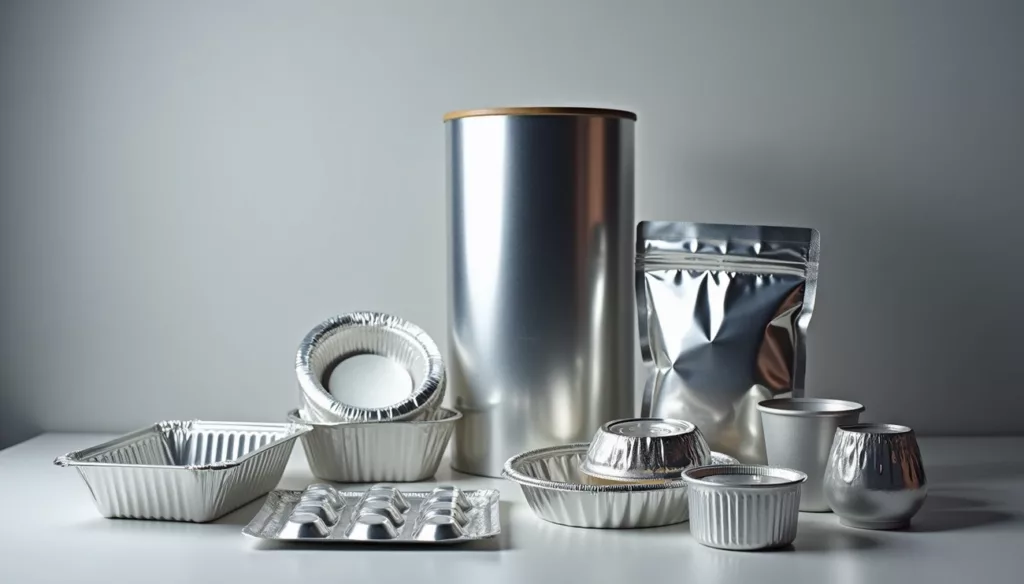
Understanding What Is Aluminum Foil Packaging Material
Are you also wondering about aluminum foil packaging material? Aluminum foil stands as a marvel of modern packaging. Its thickness ranges from 0.00017 to 0.2 millimeters, combining flexibility, impermeability, and durability in remarkable ways.
This thin, pliable material has become crucial for countless packaging applications because of its unique properties.
What is aluminum foil vs tin foil
People often call it “tin foil” in everyday conversation, but aluminum foil and tin foil are completely different products. Manufacturers stopped making tin foil in the mid-20th century. Here are the main differences:
- Material composition: Aluminum foil contains 92-99% aluminum. Tin foil used thin tin leaves, sometimes mixed with lead
- Taste impact: Foods wrapped in tin foil often get a bitter, metallic taste. Aluminum foil doesn’t change food’s taste
- Melting point: Aluminum foil can withstand heat up to 660°C. Tin foil melts at a much lower temperature of 232°C
The first aluminum foil rolling plant opened in Switzerland in 1910, marking aluminum foil’s commercial debut. The United States Foil Company (later Reynolds Metals) started mass-producing aluminum foil by 1926. This move established aluminum foil as the better packaging material.
How aluminum foil is made
The process starts with bauxite, aluminum’s main source. The first step turns bauxite ore into alumina (aluminum oxide) through the Bayer process. An electrical current then changes alumina into metallic aluminum through electrolytic reduction.
Manufacturers create foil by hot-rolling heated aluminum ingots into 2-4mm thick coils. These coils go through cold rolling that makes them progressively thinner until they reach the right thickness. Ultra-thin foils need double rolling, where two layers roll together.
This technique creates foil’s distinctive look - one side shiny and one side matte.
Pro Tip: If you're also looking for custom paper bags or custom tote bags, as an experienced bag manufacturer in China, contact our professionals now for the latest product list.
Recommended Reading: What is Flexible Packaging Material: Your Complete Guide
What Is Aluminum Foil Packaging Material? Types of It
Aluminum foil has evolved into specialized forms that meet specific packaging needs in different industries. Each type brings unique properties tailored to its intended use.
① Household foil
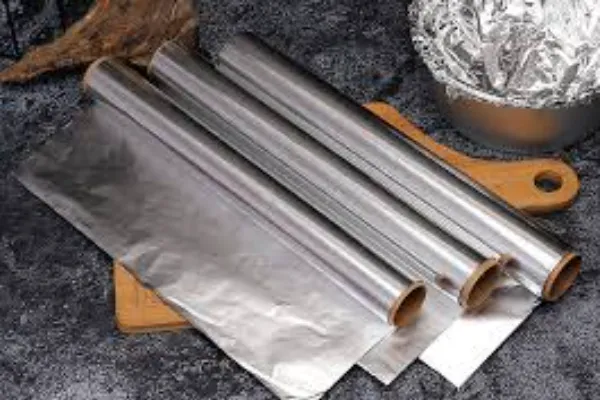
The most common type is household aluminum foil, created specifically for kitchen use. You can find it in different thicknesses for wrapping leftovers, lining baking sheets, and keeping food fresh.
This versatile foil adapts to irregular shapes and creates a strong barrier against moisture and oxygen.
② Lidding foil for dairy
Dairy products need specialized aluminum lidding solutions that blend protection with ease of use. These die-cut lids create perfect seals for yogurt, cheese, and other dairy containers.
The new EZ Peel® lidding reduces consumer frustration by peeling perfectly in one piece, with tear strength more than 2x stronger than traditional options. These lids offer 50% more puncture strength. They also protect brand quality during the product’s lifecycle.
③ Blister foil for pharma
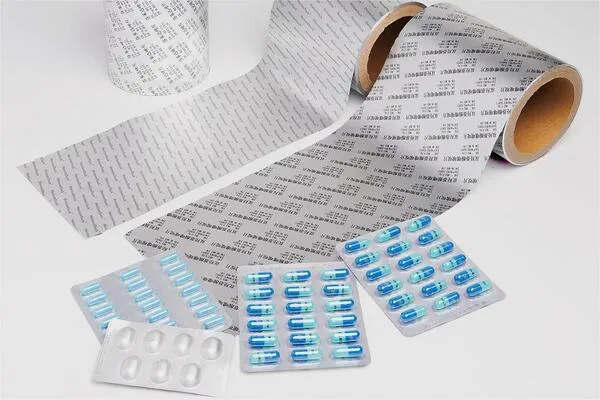
Pharmaceutical blister packaging combines thermoformed plastic trays with specialized aluminum foil lidding. This design creates separate compartments that shield medications from moisture, oxygen, and light—elements that could affect pharmaceutical quality.
The blister foils come in various thicknesses: ultra-light gage (0.006-0.007 mm), light gage (0.008-0.012 mm), and standard aluminum blister lid foil (0.012-0.025 mm). Package designs include push-through, peel-open, peel-push, or tear-open options.
④ Laminated foil for snacks
Laminated aluminum foil bonds metal foil with other materials, usually polymer films, to create ideal snack packaging. This combination keeps snacks crisp through excellent moisture and gas barrier properties. Cookies, crackers, and chips stay fresh longer.
The laminated foil keeps them from getting soggy and protects them during shipping.
⑤ Semi-rigid containers
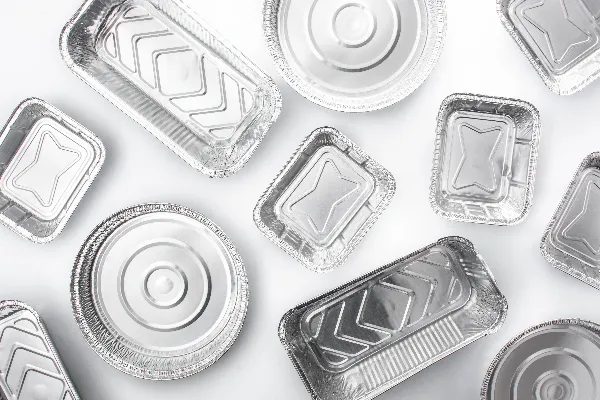
Semi-rigid aluminum containers strike a perfect balance between flexibility and structure. These containers range from 0.030-0.150 mm in thickness and are popular with commercial food establishments for delivery. They prevent spills and make the entire delivery process easier.
Expert Insight: If you need top-tier barrier protection and extended shelf life, go with aluminum foil — nothing beats it for keeping out moisture, oxygen, light, and odors. It’s lightweight and 100% recyclable.
It fits your product perfectly and offers a premium, trustworthy metallic finish that consumers love.
Betty D., Packaging Supplier
Aluminum Foil vs Other Packaging Materials
Aluminum foil has a unique mix of properties that sets it apart from other packaging materials. Let’s get into how it compares to common alternatives.
Foil vs plastic: barrier and safety
Aluminum foil creates an almost perfect barrier that blocks light, air, and moisture. Plastic packaging isn’t as effective since it lets some gasses and light pass through.
Aluminum is safer too - it doesn’t leach chemicals into food, while heated plastics can release harmful substances like phthalates and BPA. Plastic has one advantage though - you can see what’s inside before buying.
Foil vs paper: durability and protection
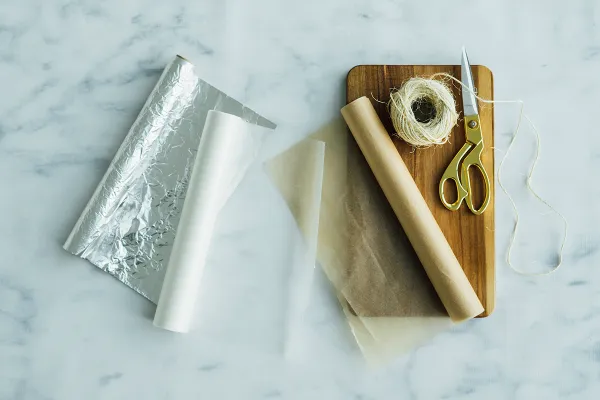
Paper packaging might be renewable and biodegradable, but it doesn’t protect products well enough. It can’t resist moisture like foil does, making it a poor choice for wet products or high-humidity environments.
Aluminum’s strength and flexibility protect products better from damage and contamination. Products last longer in aluminum foil packaging because nothing gets in or out to cause spoilage.
Foil vs glass: weight and reusability
Aluminum’s lightweight nature makes shipping much cheaper than glass since it needs less fuel. Glass packaging has its benefits - it’s great for reuse and doesn’t affect product taste. Recycling aluminum saves 95% of the energy needed to make new aluminum.
Glass manufacturing uses lots of energy, even though manufacturers have cut container weight by 30-40% in the last 25 years.
Future Trends and Innovations in Foil Packaging
New ideas keep reshaping the aluminum foil packaging scene. Manufacturers now focus on green practices, better functionality, and ways to connect with consumers.
Smart packaging with sensors
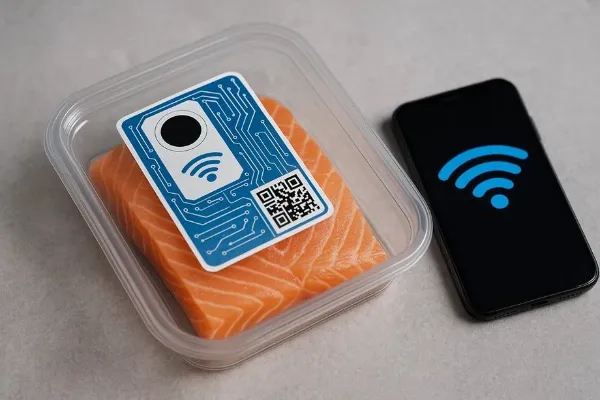
Technology in aluminum foil packaging marks a breakthrough. Smart packaging comes with RFID tags, QR codes, and sensors. These tools give immediate updates about product freshness, temperature changes, and possible spoilage. Consumers now have better control over their food quality.
Some cities tested RFID-enabled bins to sort tagged aluminum containers. Their recovery rates jumped from 45% to 66%, while contamination dropped by 30%.
Recent packaging industry surveys show that more than 60% of global packaging managers believe RFID will be crucial for aluminum containers in the next 5 years.
Thinner foils with better performance
New technology helps create ultra-lightweight foils that still protect products well. Modern foils are 40% thinner but just as strong. This cuts down on raw materials and shipping emissions. Better coating systems, stronger seals, and multi-layered structures make this possible.
Eco-friendly composite materials
Environmental awareness drives the development of green alternatives. Single-material laminates remove mixed plastic layers. This makes recycling easier and supports closed-loop packaging systems. Scientists have created new paper-aluminum composites as green options.
These materials combine strength with protective qualities and leave a smaller environmental footprint. New biodegradable and compostable coatings for aluminum foil containers make packaging more earth-friendly.
Conclusion
Aluminum foil packaging is now 100 years old and has proven to be an exceptional barrier solution for industries of all types. This piece shows how this versatile material protects against light, moisture, and oxygen while keeping products intact.
On top of that, it helps the environment when recycled properly.
You can reach us at Leelinepackage.com or info@leelinepackage.com for custom boxes or more details. Your packaging material choice is a vital part of protecting products, extending shelf life, and presenting your brand - and aluminum foil does all these things exceptionally well.
Related Resources:
- Top 10 Bag Manufacturers In Chennai You Should Know
- What Is a PR Package? An Expert Guide to Brand Success in 2025
People Also Ask About What Is Aluminum Foil Packaging Material
1. What is aluminum foil packaging material made of?
Aluminum foil used for packaging is made from high-purity aluminum (typically 99% or higher) that is rolled into very thin sheets, usually between 0.006 mm and 0.2 mm thick.
2. Why is aluminum foil widely used in food packaging?
It effectively blocks moisture, oxygen, light, bacteria, and odors. This helps keep food fresh, flavorful, and nutritious for a long time. It’s also lightweight, flexible, heat-resistant, and recyclable.
3. Is aluminum foil safe for direct contact with food?
Yes, food-grade aluminum foil meets strict safety standards (such as FDA and EU regulations). It is non-toxic, does not react with most foods, and is considered safe for wrapping, cooking, and storing food.
4. Can aluminum foil be used for both cold and hot food packaging?
Yes. It works great for cold storage, like wrapping sandwiches or cheese. It also handles high temperatures well, such as baking, grilling, or using retort pouches sterilized at 121 °C or higher.