

Have you ever wondered why your favorite snacks arrive in sleek, lightweight pouches instead of bulky boxes? By 2025, flexible packaging will hold about 30% of the $1.1 trillion global packaging market.
This change will reshape how everyday products are protected and delivered to your door.
You see flexible packaging every day. It comes as thin films, handy pouches, and adaptable bags. These bags fit any product shape perfectly. These materials prioritize lightness and flexibility, making them ideal for everything from groceries to gadgets in your busy life.
This guide explores flexible packaging. It covers basic types, manufacturing tips, and the latest trends for the future.
If you’re a business owner looking for materials from custom box manufacturers, a consumer interested in sustainability, or an expert tracking innovations, you’ll find useful insights to understand modern packaging’s key role.
What is Flexible Packaging Material?
Definition and core concept
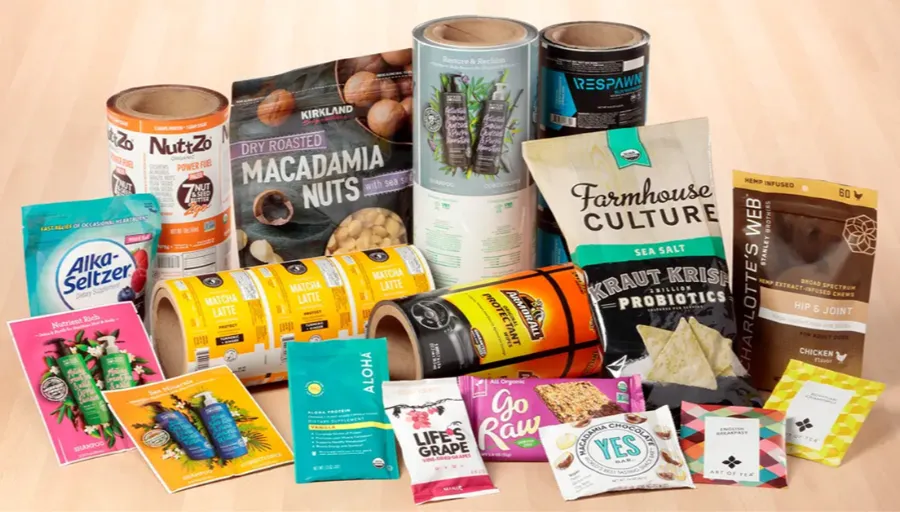
Flexible packaging includes any package or container that changes shape during filling or use. These materials can bend and fold to match a product’s shape while protecting it well. You’ll find them as bags, pouches, liners, wraps, roll stock, and other bendable containers.
The basic materials are paper, plastic film, aluminum foil, or smart combinations that create the best barrier protection. Single-layer films are available, but many solutions use multiple layers. These layers are joined through lamination to improve performance.
How it’s different from rigid packaging
The biggest difference lies in how they’re built. Rigid packaging like glass bottles, plastic containers, and cardboard boxes keeps its shape no matter what’s inside. Flexible packaging adapts to fit whatever it holds.
Flexible packaging stands out because it:
- Uses less material than rigid options
- Weighs much less, which cuts shipping costs
- Needs less space in warehouses, trucks, and landfills
- Often guards better against moisture, oxygen, and light
The lighter weight means a smaller carbon footprint than rigid options. Companies can cut their packaging waste by about 30% by switching from rigid to flexible formats.
Why it’s getting more popular in 2025
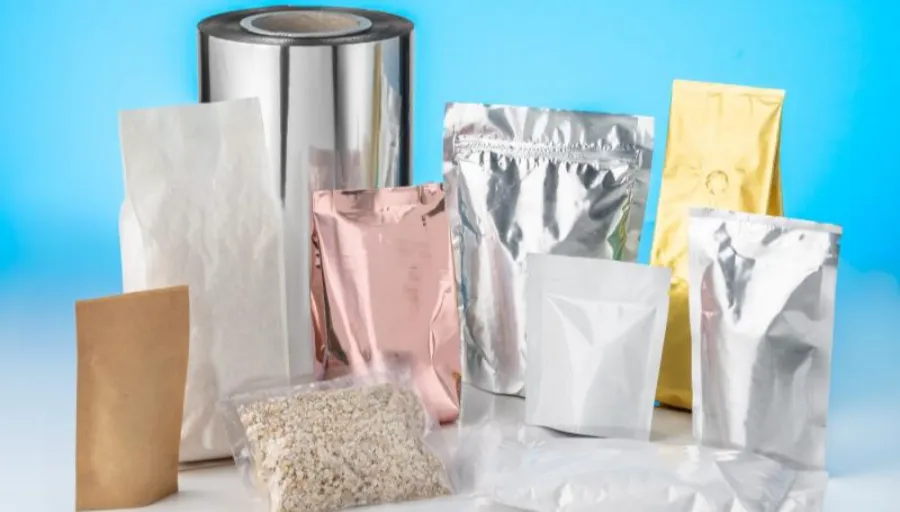
Flexible packaging keeps growing and now makes up about 19% of the $177 billion U.S. packaging market. Several factors drive this growth across different industries.
Today’s shoppers just need convenience features like resealable closures, easy-open tabs, and portable formats. Flexible packaging delivers these perfectly. New printing technologies create bright, attractive graphics that catch people’s eye on store shelves.
The money-saving benefits make sense - flexible packaging costs less to make and ship than rigid options. Companies want to cut their environmental impact, so they choose materials that need less energy to make and move.
Many products that once came in rigid containers - from soups and sauces to personal care items - now come in flexible packages. This shift shows what customers want and what businesses need to compete in 2025’s market.
What is Flexible Packaging Material: Types of It
The functionality, performance, and sustainability of flexible packaging depend on the materials used. Different materials serve unique purposes based on product needs.
Plastic films: PE, PET, BOPP, CPP
Plastic films are essential components in many packaging solutions. Each type has its own special characteristics:
| Film Type | Full Name | Key Characteristics | Common Applications |
|---|---|---|---|
| PE | Polyethylene | - LDPE (Low-Density): Excellent moisture resistance, chemically stable, good heat sealability. - HDPE (High-Density): Higher strength, better gas barrier properties. | Inner layers of food packaging, various plastic bags, wrapping films. |
| PET | Polyethylene Terephthalate | Good rigidity, high hardness, puncture-resistant, withstands high and low temperatures. | Retort packaging, electronics packaging, rigid packaging boxes. |
| BOPP | Biaxially Oriented Polypropylene | High strength and stability from stretching, excellent clarity, good for printing, poor heat sealability. | Printing and packaging (e.g., for snacks, clothing), adhesive tapes. |
| CPP | Cast Polypropylene | Better clarity and more consistent thickness than BOPP, superior heat sealability. | Gift wrapping, meat packaging; available in general and retort grades. |
Aluminum foil and its barrier properties
Aluminum foil blocks oxygen, moisture, light, and aromas completely, which helps products last longer. Its molecules pack so tightly that gasses can’t pass through. The foil keeps working well in temperatures from -18°C to 200°C, so you can use it in freezers and ovens.
Paper-based laminates
Paper-based laminates protect products economically while staying environmentally friendly. These materials block water vapor, mineral oil, grease, oxygen, light, and aromas. They use materials efficiently and come from renewable sources.
You’ll see them used in bags for salt, sugar, baking mixes, bread, pet food, and dried foods.
Multilayer combinations and their roles
Multilayer packaging uses 2 to 24 layers, and each layer has a specific job. The main layers include:
- Seal layer: Touches the product directly and controls migration and interaction
- Barrier layer: Keeps oxygen, moisture, and light out to preserve freshness
- Tie layer: Makes different layers work together
- Structural layer: Makes the package strong and resistant to tears
- Outer layer: Allows printing and provides strength
- Coating layer: Guards the printed areas
These combinations make use of each material’s strengths to protect products better.
Pro Tip: If you would like to custom tote bagsor custom paper bags, please feel free to contact our professionals.
What is Flexible Packaging Material: Benefits
The benefits of flexible packaging materials are way beyond the reach and influence of their basic makeup, and they now dominate today’s market.
① Lightweight and space-saving
Flexible packaging weighs much less than rigid alternatives. Just 1.5 pounds of flexible plastic can package the same amount of liquid food as 50 pounds of glass, 6 pounds of rigid PET, or 3 pounds of aluminum.
Empty flexible packaging requires just one truckload, while glass packaging needs 26 truckloads for the same product volume.
② Cost-effective production and shipping
Flexible materials create economical solutions throughout the supply chain. Their light weight cuts down transportation costs and reduces fossil fuel use. Companies save money on production, warehousing, and distribution because flexible packaging needs fewer raw materials.
③ Customizable and brand-friendly
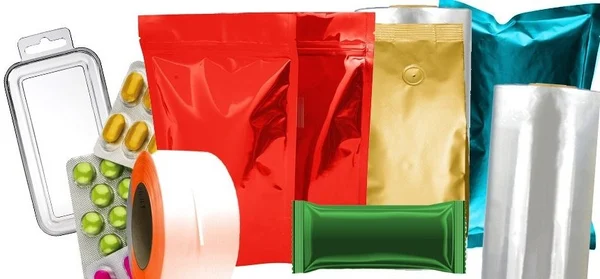
Flexible packaging’s high-quality printing capabilities give it exceptional marketing advantages. These materials come in various shapes and sizes that help products stand out on store shelves.
④ Extended shelf life and product protection
Multi-layer construction in flexible materials blocks oxygen, moisture, light, and contaminants. This protection extends product shelf life without preservatives and cuts down food waste across the supply chain.
⑤ Sustainability and recyclability
The U.S. EPA Waste Hierarchy ranks using fewer resources as the best waste management method—exactly what flexible packaging does. About half of all flexible packaging in the U.S. can become new packaging through recycling or in-store drop-off programs.
Expert Insight: Flexible packaging materials deliver cost savings and sustainability benefits by using less material than rigid alternatives, slashing waste and transportation emissions.
Their versatility in conforming to varied product shapes enhances shelf appeal and extends freshness, perfectly suiting today's consumer preferences.
Collin DeBranch, Pharma & Biotech Packaging Consultant
What is Flexible Packaging Material: Applications and Use Cases
Flexible packaging materials serve diverse industries that benefit from their protective qualities and visual appeal.
Food and beverage packaging
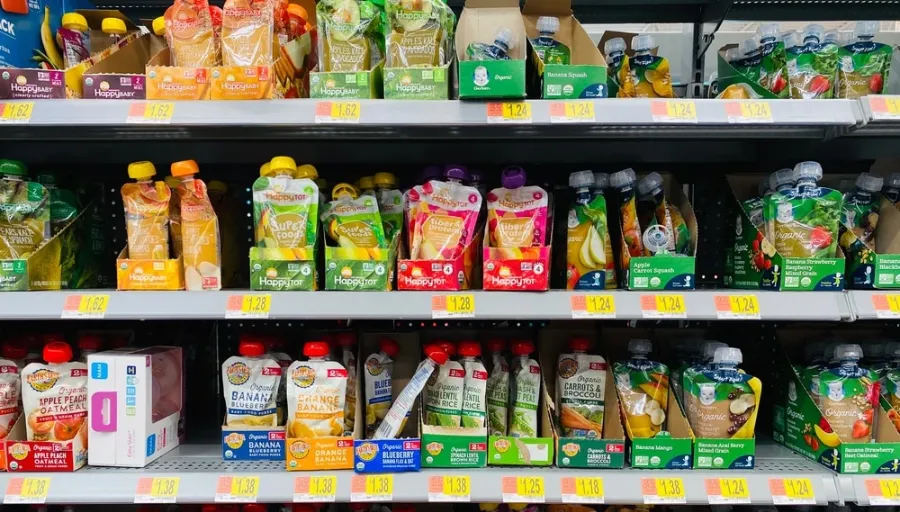
The food and beverage sector dominates the flexible packaging market with over 60% global share. These materials excel at preserving freshness, extending shelf life and boosting product appeal.
Snack bags, juice pouches, frozen food wrappers, and ready-to-eat meal containers showcase common applications. Baby food products now use flexible packaging instead of rigid types. Spouted pouches make it easy for both parents and kids.
Pharmaceutical and medical products
Healthcare products depend on flexible packaging for protection. Medical professionals use sachets for powders, blister packs for pills, and sterilizable pouches for devices. The global pharmaceutical flexible packaging market will reach $40 billion by 2028.
Tyvek, a breathable material that allows sterilization through the package, remains the preferred choice for healthcare packaging.
Cosmetics and personal care
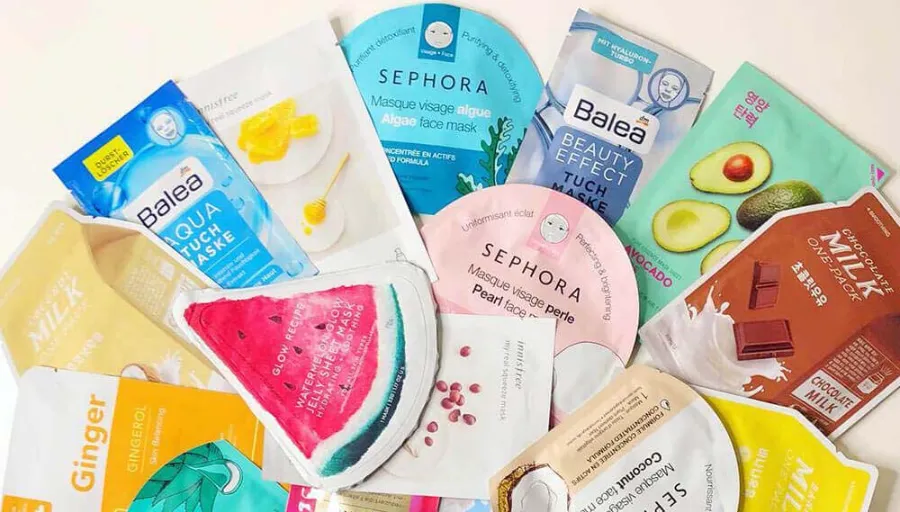
The beauty industry embraces flexible packaging through customizable designs that keep products safe and prevent leaks. Brands package shampoo in sachets, lotions in stand-up pouches, and soap bars in flow wraps.
Luxury flexible pouches now combine metallic finishes with resealable designs.
Industrial and household goods
Household and cleaning products benefit from practical flexible packaging solutions. Stand-up pouches for detergent, sachets for cleaning wipes, and refill pouches help reduce plastic waste.
These spill-proof, lightweight formats work best for liquid detergents, fabric softeners, and cleaning agents.
End
You’ll find flexible packaging in industries of all sizes, from food preservation to pharmaceutical protection. Companies using these materials enjoy longer product shelf life. They also gain better visual appeal and lower overall costs.
Though newer than traditional rigid packaging, flexible materials have become the top choice for forward-thinking brands.
Sustainability drives more companies to choose flexible packaging. These materials need fewer resources to make and less energy to transport, which matches today’s environmental goals perfectly.
Now that about half of all flexible packaging can be recycled, the industry keeps moving toward greater circularity.
When you pick packaging for your products in 2025 and beyond, note that flexible materials let you customize your brand’s look in unique ways.
You might need strong barrier protection for sensitive items or striking designs that pop on store shelves - flexible packaging adapts to what you need. Our team at leelinepackage.com or info@leelinepackage.com can help with custom boxes or provide more details.
Related Resources:
- Best 10 Luxury Rigid Box Manufacturer In China You Should Know
- Top 8 Paper Bag Manufacturers In India
- Top 8 Jumbo Bag Manufacturer In Gujarat
People Also Ask About What is Flexible Packaging Material
Q1. What are the main advantages of flexible packaging over rigid packaging?
Flexible packaging has many advantages. It uses less material, cuts transportation costs, extends shelf life, and boosts sustainability. It’s light and saves space. It also offers great protection against moisture and light.
Q2. How does flexible packaging contribute to sustainability efforts?
Flexible packaging is more sustainable. It uses fewer resources to make, needs less energy for transport, and cuts down on waste. Approximately half of all flexible packaging in the U.S. can be recycled, aligning with modern environmental goals and waste reduction initiatives.
Q3. What industries are adopting flexible packaging materials?
Flexible packaging is common in many industries. It makes up over 60% of the global market for food and beverages. It’s also used in pharmaceuticals, cosmetics, personal care, and household goods. Its versatility makes it suitable for products ranging from snack foods to medical devices.
Q4. How does flexible packaging extend product shelf life?
The multi-layer construction of flexible packaging creates powerful barriers against oxygen, moisture, light, and contaminants. This protection greatly extends product shelf life. It does this without extra preservatives. As a result, it helps reduce food waste across the supply chain.