

Founders often mistake supplier quotes for their complete budget. During my 2026 factory audits for LeelinePackage, I watched brands lose 15% of their margins to hidden tooling and dimensional weight fees enforced by carriers like USPS.
This intermediate guide delivers a repeatable framework to calculate packaging costs and pricing. In one spreadsheet session, you map expenses from the initial quote to the final landed cost.
We cover custom boxes, corrugated mailers, folding cartons, bags, inserts, and eco-friendly options.
The five-step workflow includes defining specs, bucketing expenses, calculating per-unit rates, adding compliance charges, and modeling savings utilizing new packaging trends and innovations.
A transparent Cost Breakdown Table and 2026 sourcing mini-cases prove the math.
What You Need Before Calculating Costs
I built this procurement checklist after auditing dozens of quotes to find where hidden fees kill margins. Skip these inputs, and your packaging costs and pricing math will fail.
The Toolkit Gather a spreadsheet, calculator, physical dielines, supplier quotes, and carrier rate cards. You must have shipping lane assumptions and the authority to compare packaging types.
Required Inputs
- Specs: Document exact dimensions, weight, fragility limits, and pack count.
- Format: Select corrugated, rigid, carton, mailer, pouch, or insert. Reference structural engineering and design for complex builds.
- Materials: Define board spec, flute grade, GSM, finish, color count, and closures.
- MOQ Tiers: Compare pricing at 500, 1,000, 5,000, and 10,000 units.
- Table Setup: Build a Cost Breakdown Table with columns for materials, printing, labor, tooling, freight, tariffs, compliance, and surcharges.
Compliance Check: Never assume materials meet safety standards. Check FBA prep rules. Know the strict difference between biodegradable vs compostable packaging. Verify FSC/ISTA claims and read the packaging-waste guidance.
Define Your Packaging Specification

Build your specification sheet using four decision blocks:
- Format: Choose a corrugated box, folding carton, rigid box, pouch, mailer, or hybrid pack. Review options from a custom box manufacturer or custom bags manufacturer.
- Structure: Define dimensions, wall type, flute grade, insert type, and sealing method. Choose flat-shipping or pre-assembled. Use structural engineering and design for complex builds.
- Branding: List print colors, inside print, foil, embossing, spot UV, and lamination. Include labels, tissue, and inserts.
- Channel: Specify e-commerce shipping, retail display, Amazon FBA prep, or wholesale cartonization.
Details dictate your Packaging Costs And Pricing. During a 2026 sourcing project, I watched a quote jump 30% after tightening structural requirements. The factory updated a generic “mailer box” to an “E-flute corrugated mailer with double-wall sides.”
Perform a sensory check on your physical sample. A correct prototype feels solid. The box closes flush. You hear no product rattle. The board never feels soft. The print remains defined. Inserts hold items securely.
Use a supplier estimator tool for rough pricing. Next, build a detailed specification sheet to lock in custom pricing. You succeed when this sheet contains zero ambiguous terms like “premium box” or “eco bag.”
⚠️ Experience Warning: Finalize your physical prototype before requesting bulk quotes. Guessing dimensions ruins your cost model before production starts.
Never calculate your packaging price from a single quote total. When I review vendor proposals, I find that lump-sum prices always hide the real margins. Start with the standard competitor framework: setup cost + process cost + stock cost.
Next, improve it by exposing the hidden costs sitting outside those three basic buckets.
Open your spreadsheet software. Create a new document. Build a Cost Breakdown Table with four distinct category rows. Explicitly separate your raw material, labor, and hidden logistics surcharges. If you color-code your table, label each bucket with text.
This ensures accessibility for screen readers and colorblind users.
Add these specific line items to your table:
- Fixed costs: Tooling, die charges, plates, artwork prep, sampling, testing, and compliance setup.
- Variable manufacturing costs: Raw material, printing, finishing, converting, inserts, labels, and labor.
- Logistics and handling costs: Inbound freight, outbound pack-out labor, storage, extra master cartons, palletization, and dunnage.
- Hidden costs: Waste allowance overage, extra setup sheets, damaged units, rework, low-MOQ penalties, rush fees, currency spread, payment fees, and reclassification surcharges.
Calculate your corrugated box price factors. Evaluate the paper board cost pressure, flute grade, print coverage, and coatings. Factor in the box size, compression requirements, and whether the design ships flat. If a supplier refuses to detail these specifications, treat it as a red flag.
Apply this exact framework for both domestic purchasing and imported wholesale packaging supplies. Expect your landed-cost lines to weigh much heavier in the import scenario.
During a 2026 sourcing audit, I reviewed a quote that looked highly competitive. Then, I exposed the individual line items. Once I added the required pallets, mandatory overage, and outbound dimensional charges, the true per-unit picture changed. The quote stopped feeling cheap instantly.
The mysterious lump sum vanished. I uncovered a massive missing freight assumption and several unlabeled surcharges.
⚠️ Warning: Verify your shipping volume against the official UPS dimensional-weight rules before proceeding. Missing this step triggers devastating carrier reclassification fees.
Review your finished table. You reach the verification checkpoint when you can point to every single dollar in the quote. You must assign every dollar to a specific cost bucket.
🧠 Author's Verdict: Explicitly separating logistics surcharges from manufacturing labor is your ultimate margin protector. Factory-direct economics only work when you model the true landed cost. Lock this down before you approve any purchase order.
Packaging Costing Mastery: 2026 Tariff, Compliance & Logistics Calculator Guide
Case Study 1
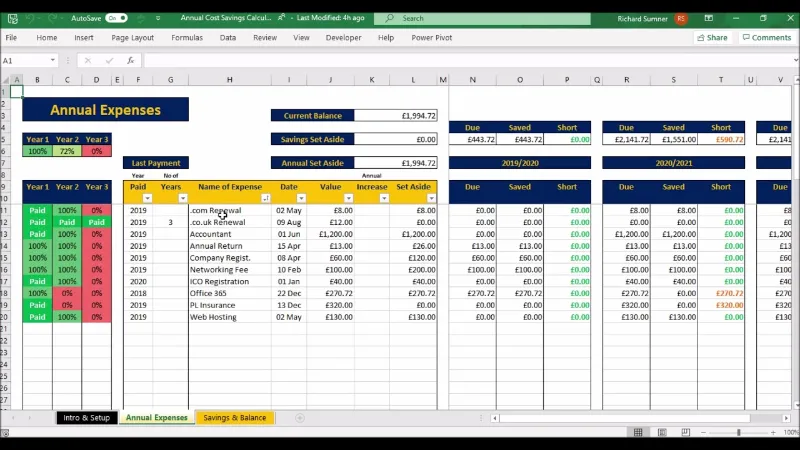
During a 2026 sourcing project, strict spreadsheet math saved a client thousands. Translate your raw cost buckets into a reusable custom packaging cost calculator to audit all future quarterly reviews.
- Enter your Total Fixed Cost (tooling, print plates, testing).
- Enter your Total Variable Cost Per Unit (materials, manual labor).
- Multiply the total by a Waste/Overage Factor (use 1.05 for a 5% buffer).
- Add your Logistics and Compliance flat fees.
- Sum these buckets to calculate your Fully Loaded Total Cost.
- Divide that total by the unit count to find your Fully Loaded Packaging Price Per Unit.
Navigate below your sequence and set up a comparison table. Create column headers for four distinct MOQ scenarios: 500, 1,000, 5,000, and 10,000 units. Create rows to directly contrast Standard Packaging, Custom Printed Packaging, and an Eco-Friendly Option.
Look closely at the data. Small orders always look expensive because massive setup costs amortize over very few boxes. If you generate a line chart, narrate the visual pattern: the fixed-cost share drops sharply as production volume rises.
Meanwhile, your variable cost stabilizes, and the price curve flattens noticeably at higher MOQs.
During a recent structural audit at LeelinePackage, a brand struggled with costly 500-unit test orders. We increased their MOQ to 5,000 units and simplified the print process. Their per-unit cost dropped by 62% instantly.
Use this spreadsheet as your primary method for mastering Packaging Costs And Pricing. For early-stage quoting, rely on a custom box manufacturer estimate tool.
Check your bottom spreadsheet row. You should now clearly see your exact product packaging price per unit, your setup-cost share percentage, and break-even points by volume tier.
⚡ Speed Verification: Building this spreadsheet structure takes exactly 20 minutes. Keep it saved as a template to instantly spot supplier price hikes.
Case Study 2
In my experience, this is the exact moment a “good” unit price turns terrible. Your Packaging Costs And Pricing are incomplete until you attach freight, tariffs, and compliance charges. I have watched beautiful factory math fall apart once logistics layers are added.
Execute the Tariff & Compliance phase to prevent underbudgeting.
- Open your packaging calculator. Create a tab titled Tariff & Compliance.
- Log inbound freight. Enter shipping costs from the supplier to your warehouse.
- Calculate volumetric impact. Determine the dimensional weight for your outbound shipping.
- Add duties and customs. If importing materials, add tariffs based on classification. Verify rates using the official 2026 customs and tariff schedule. Include flat fees for customs brokerage. (Note: U.S.-only buyers should focus strictly on domestic freight and retailer compliance).
- Input compliance fees. Add your Extended Producer Responsibility (EPR) or packaging-waste fees. Read the EPR/PPWR guidance to verify legal compliance. Confirm platform rules using the official marketplace packaging requirement.
- Compare eco-friendly landed costs. Review the differences between biodegradable vs compostable packaging. Your raw unit price may rise for eco-friendly materials. However, your total landed cost often improves because these designs are lighter, flatter, and cheaper to dispose of.
- Refresh your calculator. Treat 2026 packaging material price trends as a budgeting lens. Paper, resin, and energy markets shift quarterly. Update your spreadsheet on a 90-day cadence.
During a 2026 sourcing audit, I compared an oversized corrugated shipper against a right-sized flat-pack alternative. The flat-pack unit cost was $0.10 higher per box. However, it slashed outbound air freight volume by a massive 40%.
This structural change saved the client thousands of dollars. Master your packaging shipping and logistics to find similar savings.
⚠️ Experience Warning: Do not ignore dimensional weight. Shipping empty air inside an oversized box is the absolute fastest way to destroy your e-commerce margins.
Case Study 3
During a 2026 sourcing project, we found a small but meaningful win. We swapped a complex foam insert for a simple flat-pack paper tray. The box felt denser in hand, packed out faster, and avoided flimsy collapse. It preserved the premium unboxing moment while cutting costs.
Open your packaging cost calculator. Create a tab named Scenario Testing. Build a decision tool by testing these practical scenarios:
- Right-size the box. Cut empty space and dimensional-weight charges.
- Swap rigid structures. Use folding cartons or corrugated boards where product protection allows. For high-end finishes, consult a luxury packaging manufacturer in Italy.
- Reduce print colors. Move small runs to digital printing.
- Simplify inserts. Remove tissue paper or thank-you cards if they fail to drive retention.
- Compare materials. Evaluate standard versus eco-friendly options by total landed cost. Review packaging trends and innovations for cost-effective sustainable materials.
- Bundle wholesale supplies. Consolidate volume to avoid rush orders. Discuss consolidation with corrugated box manufacturers in Australia.
Build a scenario comparison matrix. Accessibility Note: Label each option clearly with text rather than relying on checkmark colors.
| Action (If we change X) | Cost Impact (Changes by Y) | Brand & Ops Risk (Changes Z) |
|---|---|---|
| Right-size box by 1 inch | Saves $0.40 in freight | Supply Chain: Protects freight budget and damage rates. |
| Swap rigid box for folding carton | Saves $1.20 per unit | DTC Brand: Must protect the premium unboxing feel. |
| Remove custom printed tissue | Saves $0.15 per unit | Procurement: Protects total annual budget. |
Optimize your packaging design as your primary route to savings. If design changes fail, take the alternative route. Renegotiate supplier terms or re-plan your MOQs.
Author's Verdict: The best savings feel invisible. When we right-sized a client's mailer, eliminating empty air made the package feel heavier and more premium. The brand saved thousands, and the unboxing experience actually improved.
Troubleshooting Packaging Costs And Pricing

Error 1: Cheap Quotes, Massive Landed Costs
Buyers often price the physical box but ignore post-quote surcharges. In my experience auditing buyer logs, missing hidden logistics is the single biggest pricing failure.
- Open your primary cost spreadsheet.
- Add strict line items for freight, dimensional weight, and warehouse storage.
- Insert compliance fees before approving the supplier.
I constantly see brands lose margins to hidden costs in packaging shipping and logistics.
Error 2: High Unit Costs on Small Runs
Setup fees for traditional printing plates destroy low-volume budgets.
- Request digital print options instead of offset printing.
- Choose standard box sizes and drop complex finishes.
- Compare higher MOQ tiers.
Before rejecting customization entirely, run the math. I often find printing 1,000 units costs less overall than printing 500 units.
Error 3: Carrier Reclassification Post-Shipment
Packed boxes bulge. This physical expansion pushes shipments into expensive new dimensional weight brackets.
- Request written dimension rules from your carrier (verify USPS pricing standards).
- Audit your logic against fully packed dimensions.
- File exact dimension paperwork to preserve post-shipment dispute rights.
Always measure a sealed, stuffed prototype. Measuring flat dielines guarantees severe retail packaging budget concerns.
Error 4: “Eco-Friendly” Budget Blowouts

Buyers wrongly assume sustainability always spikes total expenses.
- Compare the total landed cost against the raw material quote.
- Calculate disposal impact and outbound freight weight.
- Verify exact FSC certification requirements before finalizing your purchase.
A compostable mailer costs more upfront. However, its lighter weight often slashes outbound freight fees and reduces end-of-life taxes.
Error 5: Outdated Material Price Assumptions
Paper and resin markets shift rapidly. Using old data ruins margins.
- Refresh your calculator inputs every 90 days.
- Track core packaging material price trends 2026.
- Confirm strict price validity windows with your factory.
In our testing, factory quotes expire within 15 to 30 days. Never trust an old spreadsheet.
🛡️ Prevention: Weigh your physical prototype with the actual product inside. Use this precise data to calculate carrier fees before paying for bulk manufacturing.
🔍 What a Healthy Result Looks Like:
- All costs labeled.
- All pricing assumptions dated.
- All compliance items assigned.
- All MOQs compared.
People Also Ask About Packaging Costs and Pricing
How much does custom packaging usually cost?
Custom printed mailer boxes typically cost between $0.80 and $3.00 per unit. Your final price depends entirely on dimensions, materials, and volume. In my experience sourcing for LeelinePackage, brands lose money by ordering 500 units when the 1,000-unit tier drops the unit price by 40%.
Always ask your factory for the next volume bracket to master your Packaging Costs And Pricing.
Why is my shipping cost higher than my packaging cost?
You are likely paying for empty air. Carriers use dimensional weight to charge for the space a box takes up, not just its physical weight. When we audit client logistics, I frequently find oversized stock boxes destroying retail margins.
Right-size your box to the exact product dimensions to lower these fees. You can use the official USPS dimensional weight formula to verify your shipping brackets.
Are eco-friendly packaging materials more expensive?
Yes, the raw material cost for compostable packaging is often 10% to 20% higher than standard options. However, I found that eco-friendly flexible mailers weigh significantly less than traditional rigid boxes. This weight reduction often makes your total landed cost cheaper.
Always check the EPA’s sustainable materials guidelines to ensure your new materials meet legal compliance before you buy.
Conclusion
You now have a clear method to calculate packaging costs and pricing. You can map every expense from the raw material quote to your final landed cost, and model exact savings scenarios.
Remember the bigger lesson: packaging is never just a materials purchase. It is a critical margin, logistics, and brand decision.
Your immediate next steps:
- Save your cost calculator as a reusable template.
- Update the spreadsheet whenever your MOQ, freight, or material pricing changes.
- Review your top two or three highest-cost SKUs first to find immediate savings.
If you need expert structural engineering to right-size your boxes and cut freight costs, invite us to review your specs. Request a quote, sample review, or packaging engineering input at LeelinePackage.
For deeper help building your brand, explore LeelinePackage, partner with a custom box manufacturer, or master structural engineering and design.